
57 Units in Es Jonquet: Palma's New Luxury Project Puts Urban Development to the Test
57 Units in Es Jonquet: Palma's New Luxury Project Puts Urban Development to the Test
A luxury development with 57 apartments, historic tunnels beneath the site and prices up to €9.5 million: what does this mean for Es Jonquet, Santa Catalina and Palma?
57 Units in Es Jonquet: Palma's New Luxury Project Puts Urban Development to the Test
Key question: Who owns the Paseo Marítimo — the residents, buyers with jet-set budgets, or the city's history?
In the shadow of the palms on the Paseo Marítimo, a new chapter in Palma's real estate story is set to unfold in the coming weeks: 57 apartments in a multi-story complex above the newly redesigned waterfront boulevard, between Santo-Domingo square and the harbor promenade. The developer Xojay plans apartments with terraces, communal areas and private service packages; according to the company, nearly a quarter of the units are already sold. Prices range from several million up to a 427-square-meter unit priced at €9.5 million. A duplex of 222 square meters carries a price of €3.6 million; parking spaces are to be charged extra, currently calculated at around €75,000 per space. A total of 117 parking spaces are planned, and part of the site will remain designated as public green space. Similar debates have emerged around other developments in Palma, such as Palma keeps building: 64 apartments in Son Güells – who is the neighborhood for?.
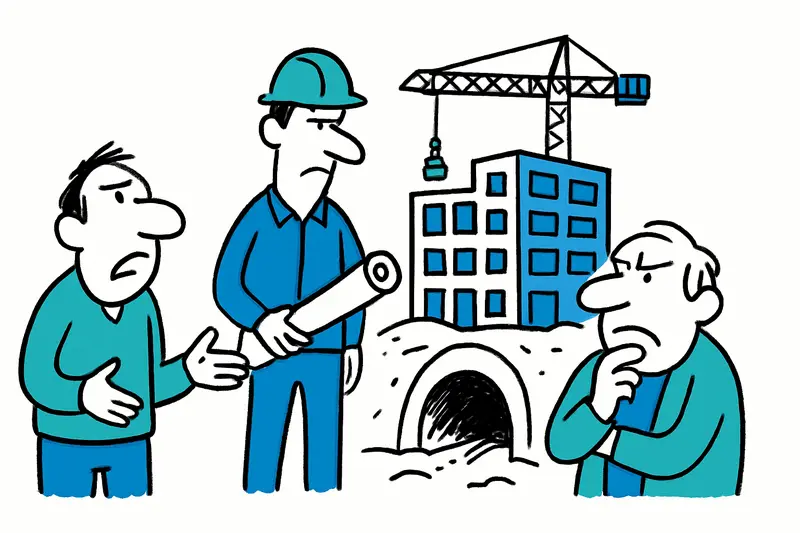
What has moved the project in recent months is the discovery of an extensive tunnel complex on the site. Architectural assessments describe a multi-stage, not yet fully completed protective structure, likely dating back to the time of the Spanish Civil War. The responsible monument preservation authority considers the find historically significant; topographic recordings and documentation of the conservation state have already been carried out. The local monument protection commission has approved the integration of the bunker complex into the development, so the project is now to incorporate the discovered structures.
Critical analysis: The project combines several lines of conflict. First, the social dimension: in a neighborhood that in recent years has acquired a mix of traditional shops, small cafés and new boutiques, exorbitant prices are changing the face of the area. Second, the heritage conservation question: how do you preserve a fragile underground relic when a luxury residence with wellness facilities and a private cinema is built above it? Third, the traffic and parking issue: 117 private parking spaces may sound like convenience, but they also mean more cars in a narrow city center with limited access roads. The city council's recent approval of smaller projects, like Palma builds 82 apartments — a drop in the bucket, many questions, underlines these tensions.
What has so far been lacking in public discourse is a concrete guarantee for the preservation and public accessibility of the discovered tunnel system. There are statements on documentation and an approving commission, but no clear commitments on how people from Palma will be able to experience this heritage in the future. This lack of debate is striking given broader planning proposals, notably Palma plans 3,500 apartments: Opportunity for Son Güells — or too much speed, too little planning?. Nor is there an open discussion about how the pricing policies of such projects will affect the local housing market in the long term: what signals do top prices of several million send to young families, craft businesses or workers in hospitality and care?
An everyday scene for context: on a windy morning the scent of freshly brewed coffee rises from the doors of the Mercat de Santa Catalina; delivery vans maneuver, bicycles ring, and the street sweeper clears the corner by the Santo-Domingo fountain. Residents return with shopping bags, older people discuss the parking situation, children look curiously at the fenced-off construction site. Such images show that Palma's city center is not a backdrop — it is a place of work and life, not a showroom for exclusive buyers alone.
Concrete approaches that the city administration, the developers and the neighborhood should seriously consider: 1) A publicly accessible, technically secured visitor program for the tunnel complex with an accompanying informational exhibition — making history tangible instead of letting it disappear anonymously under luxury concrete. 2) A binding quota for affordable housing or rent controls in the immediate vicinity of major projects, financed by a development levy on the developers — similar to measures seen in Excavators have rolled into Son Güells: 64 new apartments are being built, 26 at capped prices. 3) An urban-planning contract for traffic management: more space for pedestrians, regulated delivery times and an incentive system for residents without a second car. 4) Transparency obligations in sales and marketing: disclosure of buyers' origins and intended uses so the municipality can better assess developments.
Why this matters: Palma is not a closed private island for the rich; the city thrives on mixes — markets, crafts, long-established families and newcomers. If new projects are planned solely for returns and exclusivity, the space for exactly those people who keep everyday life on the island running will shrink.
Conclusion: The construction project with 57 units and the surprising discovery of a historic tunnel offers opportunities — but only if interests are not dictated solely by investors. Binding commitments are needed for the preservation of the historic find, concrete measures for social compatibility and enforceable traffic and green-space planning. Otherwise a promising chapter of urban development risks quickly becoming another chapter of alienation: from the waterfront promenade, where many Palmanos still get their morning coffee, to the private mile of the wealthy few.
Frequently asked questions
What is the new luxury development in Es Jonquet, Palma?
How much do apartments in the Es Jonquet project in Palma cost?
Why is the Es Jonquet project in Palma causing debate?
What historic remains were found on the Es Jonquet building site in Palma?
Will the historic tunnel complex in Es Jonquet be preserved?
How many parking spaces are planned for the Es Jonquet project in Palma?
What does the Es Jonquet project mean for Palma’s city centre?
Is the new Es Jonquet project in Palma connected to public green space?
Similar News
From the Reality Studio to the Pitch: Aleks Petrovic Makes Mallorca His Base
The former participant in numerous TV shows moves from Dubai to the island and launches a project with FC Germania Mallo...

When the Phone Falls Silent: Concern for Sarah Joelle in Mallorca — and What It Reveals
After days without a response, the TV personality's unreachability in Mallorca sparked concern. Shortly afterwards an al...

Ultraluxury on the Ground: Four Seasons Jet in Palma — a Reality Check for Formentor and the Island
A high-priced flight crosses Mallorca and its guests stay for days at the Formentor resort. What does the island get bes...
Death of a Witness and the Justice Backlog: Why the Kegel Brothers Trial Matters in Mallorca
A witness in the Playa de Palma fire case has died, and the trial against eight German holidaymakers has been delayed un...

Champagne Reception, Red Carpet and Mini Originals: The Pre-Nit del Art at Gallery Mensing
Almost 400 guests, champagne, pop-art feats by Tom Boston and a raffle for the Parkinson's foundation: Gallery Mensing t...
More to explore
Discover more interesting content

Can Cap de Bou

Townhouse Lleo 72
