
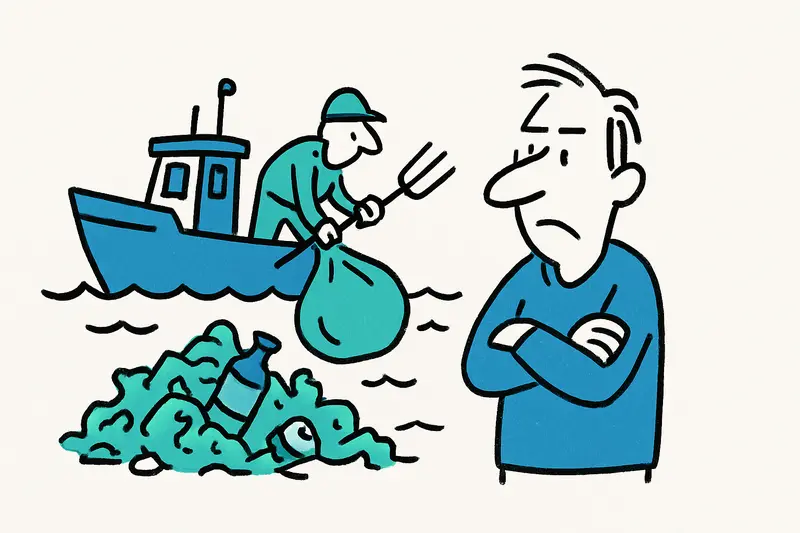
Almost 7.6 Tons of Waste in May — Is Skimming Enough?
Almost 7.6 Tons of Waste in May — Is Skimming Enough?
In May nearly 7.6 tons of debris were recovered from the sea, about half off Mallorca. A fleet of 23 specialist boats operates daily until September. But is collecting the answer or merely damage control?
Almost 7.6 Tons of Waste in May — Is Skimming Enough?
Key question: Can daily cleanup runs end coastal pollution in the long term?
In May teams removed almost 7.6 tons of debris from the water; around half of that was recovered off the coasts of Mallorca. The deployment fleet: 23 specialized boats currently operating daily and expected to continue cleaning until the end of September (Almost 37 Tons of Waste: What Mallorca's Cleanup Fleet Really Tells Us). Among the haul, pieces of wood stood out most, followed by plastic and plant material.
It sounds like hard work — and it is. But collecting is primarily a reaction, not prevention. If you walk past the Paseo Marítimo in the morning, you hear the surf and the faint creak of boats in the harbor. Fishermen on the pier pick at ropes and shake their heads: much of this is not leisure litter but remnants from storms, improperly secured cargo, or waste washed into the sea via tributaries.
Critical analysis: The numbers alone do not answer the really important questions. Where exactly does the wooden core come from — shipwrecks, construction timber from remote coves, or washed-up cargo? The share of plastic says little about origin and path. Without systematic origin analyses, cleaning remains symptom management. There is also a lack of assessment of how the quantities develop year to year: was May an outlier after storms, or a sign of increasing pollution? (See 6.5 Tons of Waste in July: Why Mallorca's Coasts Keep Struggling.)
What is often missing in public debate: binding data and source research. There is talk about cleanup actions, not enough about the pathways — storm drains (ramblas), river mouths, harbor disposal, or illegal dumping along remote coasts. The role of international shipping and supply vessels is rarely discussed transparently.
Everyday scene: On an early morning in Portixol you can see workers filling bags with rubber gloves while tourists pass later with coffee. In Cala Mayor a long-time sailor says that after strong winds pallets and tree trunks often wash ashore — evidence of handling errors onboard or insecure cargo from the surrounding area.
Concrete solutions that go beyond skimming:
- Introduce origin-tracking systems: Sampling and cataloguing finds by material, location and wind/current data to reveal patterns.
- Install barriers at inflows: Proper screens and catchment systems at rambla outlets, combined with regular maintenance.
- Monitor ports and port users: Stricter checks on waste declarations, increased inspections during cargo handling, clear fines for improper disposal.
- Prevention instead of only collection: Deposit-return schemes for containers, awareness campaigns in communities and among businesses along the coast.
- Use technology: Drone surveillance for hard-to-reach coastlines, satellite data and automatic reporting apps for citizens.
And politically: transparent figures and public reporting that not only state quantities but also origin analyses and action plans. Without this information the picture remains incomplete — like a puzzle with missing pieces.
Pointed conclusion: The daily fleet operating until September is important and deserves recognition (Who cleans up the sea? Almost eight tons of waste off the Balearic Islands — and the uncomfortable answers). But clean beaches are not created solely by boats that collect rubbish. Anyone who seriously wants change must close the pathways of waste: on land, at ports and along supply chains. Otherwise Mallorca will remain a place where we sweep away symptoms without tackling the disease.
Frequently asked questions
What is the weather usually like in Mallorca in autumn?
Can you still swim in Mallorca after summer?
What should I pack for Mallorca in the shoulder season?
Is Mallorca a good place to visit in autumn?
What is Cala Millor like in the off-season?
Is Palma de Mallorca worth visiting outside the summer months?
What is Sóller like for a trip in cooler weather?
What are the best things to do in Mallorca when the beach is less appealing?
Similar News

Micaela Schäfer: Between Playa de Palma and a Berlin Law Firm — New Calm, an Old Tomcat and Solid Finances
The party artist from the Ballermann scene appears surprisingly down-to-earth: a new relationship with a Berlin lawyer, ...
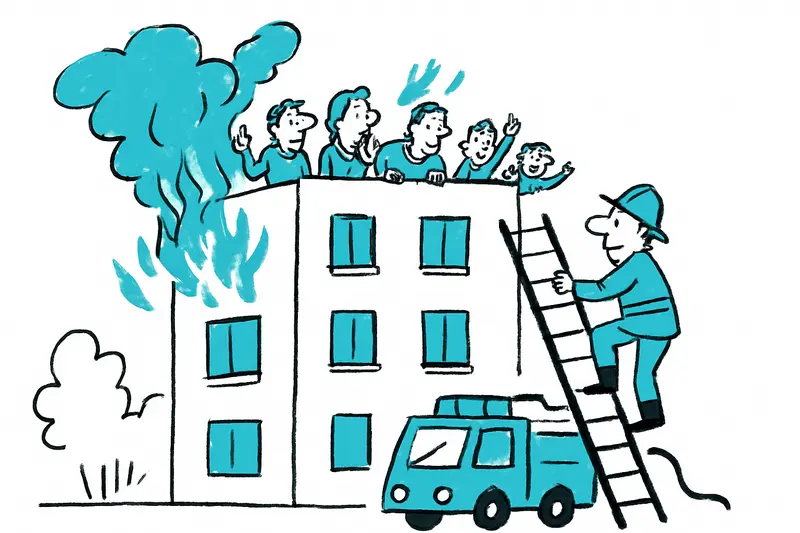
At Playa de Palma: Fire in Residential Building – six people rescued on the roof, what is missing in prevention?
In the evening a fire broke out on the first floor of a five‑storey building on Calle Trasimé. Six residents fled to the...
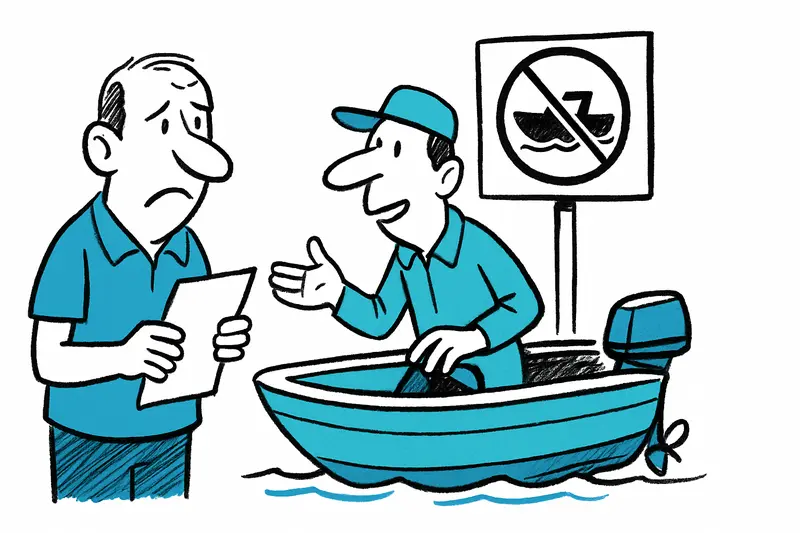
New License Requirement for Mini-Boats in Mallorca: Protection Measure or Tourism Brake?
From October 1 renters of small recreational boats in the Balearics must present a boating license. Critical questions r...

After the Storm: Mallorca Breathes Easy — Warm Weekend with Short Showers
The thunderstorm left its mark, but calm returns for the weekend: sun, summer temperatures around 32 °C, isolated shower...
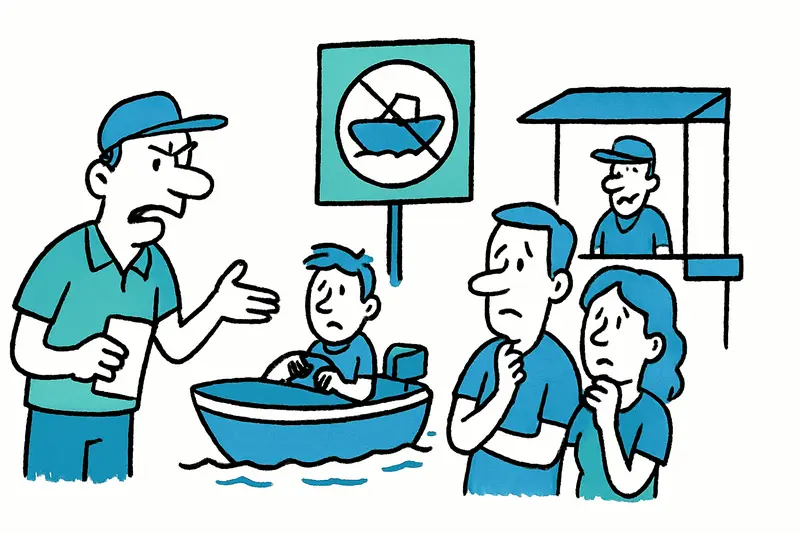
No More 'Just Hop on a Boat': Mallorca, Mandatory Boating License and the Open Questions
From October 1, the Balearic Islands will require a boating license for small rental boats under five meters/15 hp. A tr...
More to explore
Discover more interesting content

Boat Tour with BBQ along Es Trenc Beach

Private transfer from Mallorca Airport (PMI) to Pollensa
