
86 New Info Pillars and 400 Bike Racks: Small Villages, Big Impact
The Consell has installed 86 interactive screens in 43 Mallorcan municipalities and set up around 400 bike racks. With one million euros from EU funds, local businesses should become more visible and cyclists find better infrastructure.
86 New Info Pillars and 400 Bike Racks: Small Villages, Big Impact
More orientation, more customers, more space for bikes
On a Saturday morning in the village square: a baker places the last ensaimadas in the display, a cyclist locks their bike to a new rack and a bright screen on the house wall flickers with information about the weekly market. These are the first visible effects of the new digital infrastructure in Mallorca's villages.
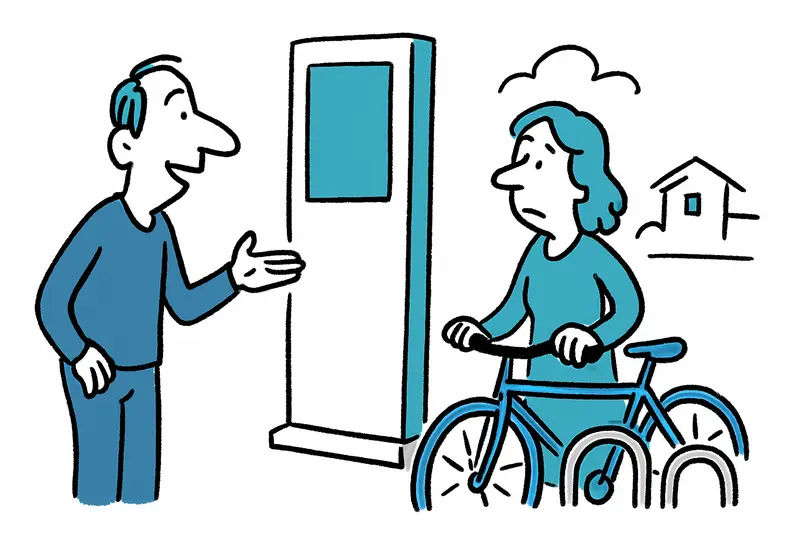
The Consell de Mallorca has installed a total of 86 interactive screens or info pillars in 43 municipalities with fewer than 20,000 inhabitants and has additionally set up around 400 new bike racks. The project was financed with one million euros of EU funds. The pillars show local sights and activities and are intended to make offers from local shops visible as well – exactly what many places need in the low season: attention and orientation.
It's a pragmatic idea: a screen at the town entrance can show tourists the nearest bank, the medical center or the Sunday markets. For shop owners, the digital presence is an opportunity to communicate short-term offers or opening hours without having to invest in expensive advertising. And for the people who live here, the bike racks provide a simple but noticeable improvement to everyday infrastructure.
Distances in rural Mallorcan municipalities are short, but uphill stretches can quickly leave you out of breath. If visitors can arrive more easily and stay put in Santanyí, Artà or the smaller towns on the east coast, tourist pressure is distributed – a small measure with potentially large effects on revitalizing town centers.
The digital pillars are particularly useful when they operate in multiple languages and provide up-to-date information. Interactive content that shows bike routes or announces cultural events helps not only holidaymakers. Residents also benefit, for example when bus schedule changes, road closures or special opening hours are displayed.
A look at everyday life shows: some decisions are made locally. A café owner in a small village is more likely to put a spontaneous weekend offer on a screen if the operation is simple. That is why the next important step is not only installing the devices, but connecting them to the community – training for shop owners, access for local clubs, clear contacts at the town hall. These local debates are also reflected in coverage like Canyamel: Million-euro plan for 2026 — upgrade raises questions.
Further positive effects are conceivable: bike racks increase the chance that locals will run short errands by bike instead of by car. If you can park your bike securely, you're more likely to stay for a coffee or shopping. Combined with a map showing the nearest service points, the pillars can also become small mobility hubs. This aligns with wider efforts such as More space for cyclists and pedestrians – but is it enough? Mallorca's plan for 60 km of safe routes.
Maintenance is also important. Digital screens need power, protection against vandalism and regular updates. This is where cooperation between the Consell, the municipality and local tradespeople makes sense – jobs are created and municipalities retain control over content and technology.
This initiative is not a cure-all for the structural problems of rural areas, as discussed in 54 million euros for Mallorca's municipalities: Opportunity or bureaucratic boomerang?. However, it is a visible sign: investments in the villages go not only to roads or tourism promotion but also to digital visibility and infrastructure for climate-friendly mobility. For many places in Mallorca this can be the beginning of a modest but tangible revitalization.
My tip for the coming months: municipalities should treat the new pillars as an open platform. Local weekly markets, cultural associations and cycling groups need simple access to maintain content. A short guide with templates for notices, a QR field for event registrations and regular information days help keep the devices alive.
Conclusion: 86 screens and 400 bike racks are not sensational, but a natural complement for Mallorca's villages. If the technology is fed with local engagement, a flickering screen can soon become a village conversation – and a new bike rack a place where people pause and shop.
Frequently asked questions
What are the new info pillars in Mallorca's villages for?
How do the new bike racks help villages in Mallorca?
Are these new village screens useful for tourists in Mallorca?
Which towns in Mallorca are getting the new info pillars and bike racks?
Can local businesses in Mallorca update the information on the screens?
What language options do the new info pillars in Mallorca need to have?
Do the new bike racks and screens help reduce car use in Mallorca villages?
Why are these small infrastructure projects important for Mallorca’s rural towns?
Similar News

Maribel: Five Decades of Service – Housekeeper from Peguera Celebrated with a Special Honor
Over 50 years in the hotel business: María Isabel “Maribel” Molinos was honored in Palma at the Nit del Turisme by Unive...

Orange Alert over Parts of Mallorca: Are We Prepared?
Dark clouds and an announced wet spell have triggered an Orange alert in parts of Mallorca. A reality check: what's miss...

Sundair & Co.: Sale speculation and what it could mean for Mallorca
Rumors about a possible sale of the airlines Sundair and Fly Air 41, which belong to Schauinsland-Reisen — and whether b...
Anne Wünsche in Mallorca: A job offer with a catch — who fits the role of personal assistant?
Influencer Anne Wünsche has left Berlin and is urgently looking for a full-time personal assistant in Mallorca. Why the ...

Daily from New York: Palma Between Boom and Strain
United will increase the Newark–Palma route to daily flights in 2027 using Boeing aircraft (231 seats). What does the in...
More to explore
Discover more interesting content

Can Cap de Bou

Townhouse Lleo 72
