
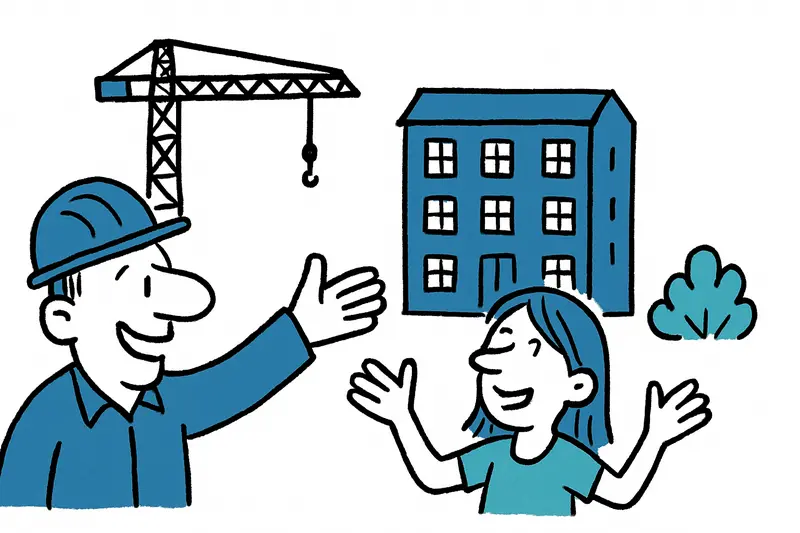
87 new rental apartments in Camp Redó: space for young people in Palma
87 new rental apartments in Camp Redó: space for young people in Palma
The city of Palma has approved the construction of 87 rental apartments on municipal land in Camp Redó. At least 30 percent of the units are reserved for people up to 35 years old. A boost for neighborhood and social mix.
87 new rental apartments in Camp Redó: space for young people in Palma
Municipal land, capped rents and room for young households
In the morning, when the street cafés in Camp Redó put down the first espresso cups and the bus crosses the avenue with its sound, there is news that brings a sigh of relief to many here: Palma has cleared the way for the construction of 87 rental apartments on municipal land. Not a glossy announcement, but solid urban building — apartments with capped rents, planned for the immediate neighborhood.
What matters: The plots belong to the city, and the apartments will not be offered at free market prices. This means concretely: people with smaller budgets get a chance to stay in Palma. At least 30 percent of the apartments are explicitly reserved for people up to 35 years old. For young people who otherwise would have to pay top rents for every available square meter, this makes a real difference.
Camp Redó is not a smooth suburb, but a neighborhood with market life, school routes and a soundscape of craftsmen and playing children. Precisely here, where housing is scarce and the commute to work is often short, such projects can stabilize neighborhood relations. Those who live here stay closer to friends, internships, small shops — and save long commutes.
The project stands on municipal land. That is important because the city can thus retain influence over rent levels and allocation criteria. Capped rents prevent automatic profit-seeking and speculation; they create predictability for households who are just starting out: young couples, single parents, trainees.
Next to Camp Redó another neighborhood is in view: Son Ferragut. There, 79 apartments are due to be approved shortly. Two smaller building sites on paper, but together a noticeable supply at a time when housing is the most pressing issue for many families and young people.
A small everyday scene shows why this makes sense: in the morning at the Camp Redó market, vendors talk about rising room prices in Palma. A young teacher says she will soon have to move to a more distant neighborhood. Such conversations helped carry the decision — not loudly in city hall, but audible in the street.
What to expect: new residents who integrate into the neighborhood, local shops that gain customers, and more diversity in a quarter that otherwise often saw only commuter housing or tourist offerings. Those who can live permanently in Palma also invest in the city: in language, in clubs, in their children's school routes.
Looking ahead: It is important now that the apartments are built quickly and allocated transparently. Good practice would be to consider local ties, training status and financial situation in the allocation — not just a lottery. Simple standards for energy efficiency and communal spaces are also sensible: a courtyard, a bicycle cellar, rooms for neighborhood meetings. Such details turn a collection of apartments into a true home.
In the end the project is not a miracle cure for the general housing shortage across Spain, but it is a concrete response from a city administration: using municipal land to dampen rents and give young people prospects. For people in Camp Redó this mainly means: less worry about the next rent increase — and perhaps soon a new home in the middle of the neighborhood where you smell fresh bread in the morning and the street lights come on in the evening.
Frequently asked questions
What is being built in Camp Redó, Palma?
Are the new apartments in Camp Redó affordable?
Who can apply for the new rental apartments in Palma?
Is there housing in Palma for young people in Camp Redó?
Why does building on municipal land matter in Palma?
What does the Camp Redó housing project mean for the neighbourhood?
What is planned in Son Ferragut, Palma, after Camp Redó?
Why is affordable rental housing such a big issue in Palma?
Similar News

Rental Car Theft in El Arenal: What This Incident Reveals About Our Gaps
A teenager steals a running rental car in El Arenal, flees on foot, climbs over walls and is caught by the Guardia Civil...
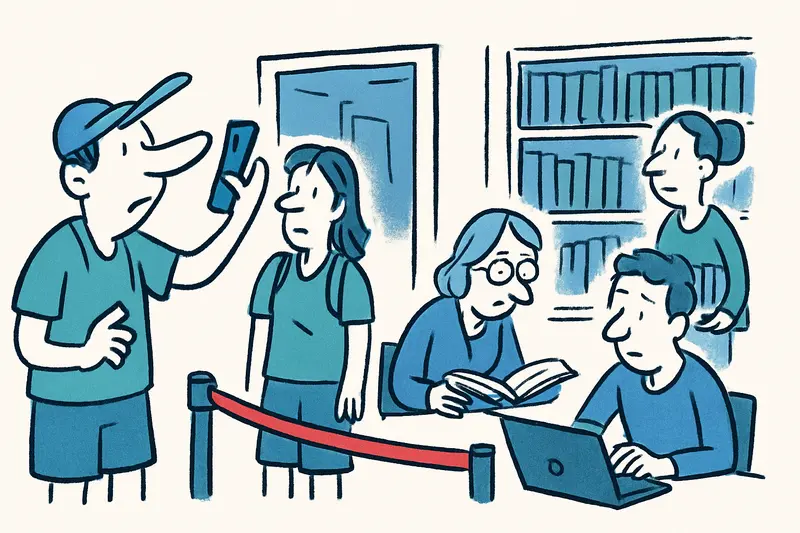
Red Rope in Palma's Library: What Helps Against Selfie Tourism — and What's Missing
Palma's city library cordoned off an area with a red rope to keep selfie tourism away from reading and working activitie...

Fort San Carlos: Museum, Harbor Dispute — and a Conflict That Demands Answers
The military museum at Fort San Carlos sits right on Palma's harbor, with unexpectedly quiet rooms filled with cannons a...
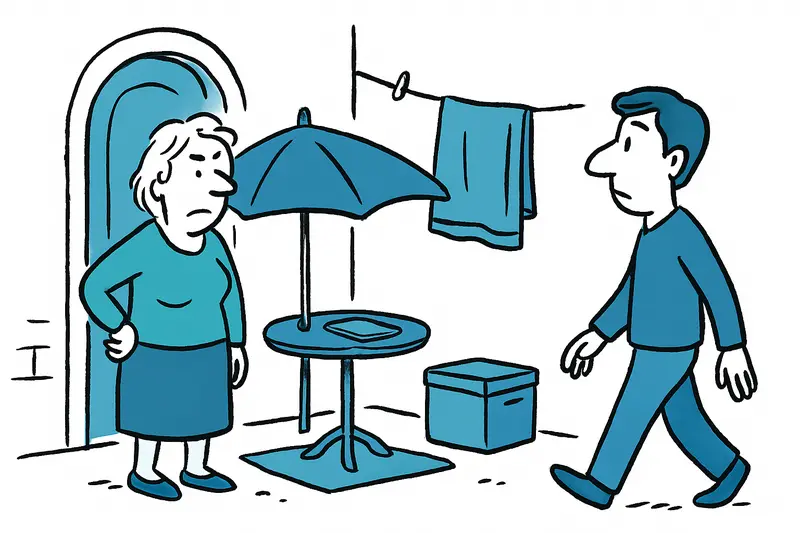
Old Town Under Pressure: When a Doorway Becomes a Sleeping and Shower Place
For months a woman has been living with a parasol, a clothes rack and personal belongings next to the social welfare off...

When Shopping Weighs Heavier: Mallorca Demands a Tax Pause on Food and Fuel
Rising prices are putting pressure on households and agriculture. The Balearic Islands are calling for temporary tax rel...
More to explore
Discover more interesting content

Can Cap de Bou

Townhouse Lleo 72
