
Controversial Squatting in Palma: Calle Blanquerna Under Tension
Controversial Squatting in Palma: Calle Blanquerna Under Tension
Two apartments on Calle Blanquerna were occupied and the owners initiated eviction proceedings. Police identified the individuals; the situation remains tense. Who protects property — and who protects the homeless?
Controversial Squatting in Palma: Calle Blanquerna Under Tension
Key question: Who protects the property of residents — and who protects the people who claim to have no other place to live?
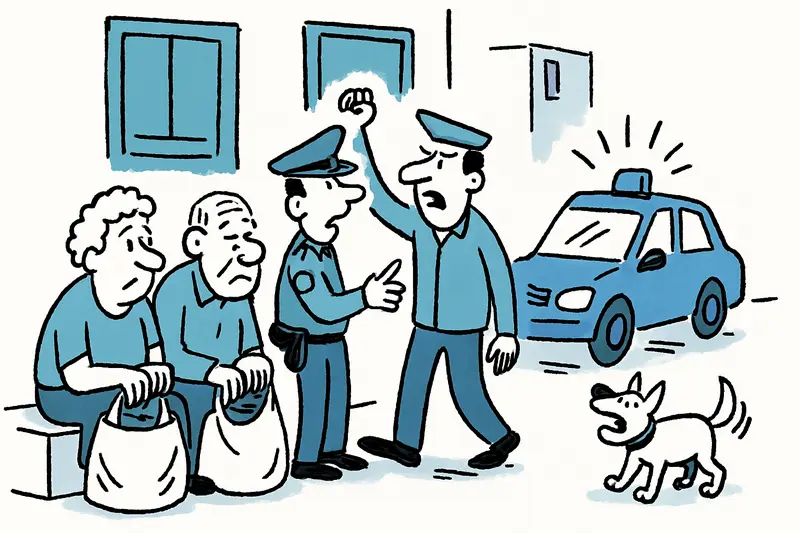
Over the weekend, neighbours and owners gathered in front of a residential building on Calle Blanquerna while a police car with flashing lights sat in the narrow street. In between: voices, the clack of scooters, a dog barking repeatedly. The local police identified two persons who, according to neighbourhood reports, are said to have unlawfully entered a ground-floor and an upper-floor flat. The owners immediately pulled the legal lever and initiated a court eviction procedure. The situation remains charged.
That is the sober set of facts — and it raises questions that often get lost in Palma's everyday life. Police were on site, officers spoke with both sides, and later the Policia Nacional also arrived. The people involved claimed the flats had been rented to them but could not produce documents and still refused to leave voluntarily. Owners remained in front of the building, tense, visibly tired and distrustful.
Critical analysis: What is causing the friction
First: the right to property collides with a social problem. Judicial evictions are possible but take time — and during that period a neighbourhood conflict persists. Second: the police can identify and mediate, but legal enforcement options are limited without a court order. Third: for people who claim to have no accommodation, there is no quick, visible alternative on site. This opens rifts — between owners, neighbours and those searching for a roof over their heads.
Public debate often lacks the connection between individual cases and structural causes: scarce inner-city housing, rental prices, vacancy versus short-term rentals, and shortcomings in emergency social shelters; examples of these dynamics are reported in From Squat Blot to Luxury Address: Who Benefits from the Conversion in Camp d'en Serralta?
These factors create the breeding ground for conflicts like the one on Calle Blanquerna, yet they are seldom discussed once the sirens have faded, as other cases such as Who Acts First? Squatters in Santa Margalida Cause Trouble in Half-Finished Housing Blocks show.
What is missing from the discourse
There is little talk about how slowly the judiciary and administration respond in daily life, how poorly informed neighbourhoods often are about available assistance, and how thin the bridge between a police operation and social support is. Practical questions remain open as well: how can proof of ownership and the actual housing situation be clarified quickly enough without pushing people into homelessness? And who takes responsibility if it escalates — the municipality, the community or the central administration?
Everyday scene from Palma
An elderly couple sits on the building steps, shopping bags between their knees, watching the officers. A boy on a bicycle rides by slowly, barely greeting; conversations quiet down when a tourist with a camera turns the corner. From the café on the corner drifts the smell of freshly brewed coffee. This is what conflicts look like when they happen in the middle of everyday urban life: they disturb, annoy and frighten — but they are also part of the public space where solutions should be found.
Concrete approaches to solutions
- Faster interim solutions: municipal emergency intervention teams that quickly assess low-threshold accommodation options and offer temporary solutions when no alternatives exist.
- Better on-site evidence gathering: clear checklists for police and owners about which documents (rental contract, payment receipts, meter readings) can be examined and secured on the spot to speed up proceedings.
- Mediation centres: mobile mediators who can broker between owners and occupiers and make social support services visible before the matter goes to court.
- Vacancy registers and incentives: municipal inventories of vacant apartments with clear legal instruments and incentives to make them available for social housing needs or time-limited solutions, a debate reflected in New residential building instead of Bar Sagrera? Dispute over the corner plot in Palma.
- Cooperation among authorities: closer coordination between local police, Policia Nacional, the judiciary and social services, including defined response times and clear responsibilities.
Punchy conclusion
The scene on Calle Blanquerna is not an isolated spectacle, but a symptom of a system stuck between property rights and social emergencies. In the short term, pragmatic mediation and better coordination are needed. In the medium term, however, Palma needs a more open debate about housing, vacancy and social protection. Otherwise similar tensions will reoccur — and the streets where we get our morning coffee will remain the stage for unresolved contradictions.
Frequently asked questions
What kind of weather does Mallorca have in early summer?
Can you swim in the sea in Mallorca in early summer?
Is early summer a good time to visit Mallorca?
What should I pack for Mallorca in early summer?
Is early summer too hot for walking in Mallorca?
What is Palma de Mallorca like in early summer?
What are the best places in Mallorca for a quieter early summer beach day?
Does early summer in Mallorca still feel crowded?
Similar News
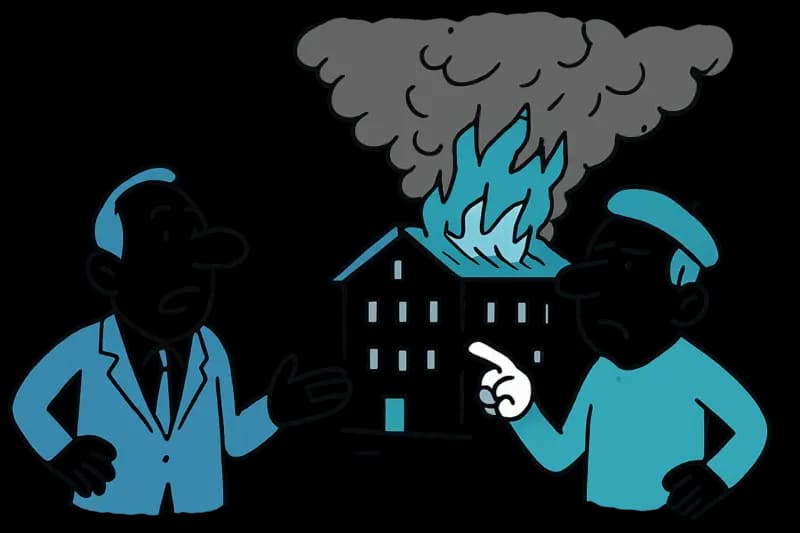
Smoke over the UIB: Who is responsible for the fire on the roof?
On Saturday afternoon a fire broke out on the roof of the Arxiduc Lluís Salvador building at the University of the Balea...

Short Getaway with Sea View: Inmood Aucanada among Spain's Top Hotels for Dinner Breaks
A small hotel on the coast of Alcúdia was highlighted by a Spanish experience platform as particularly suitable for shor...
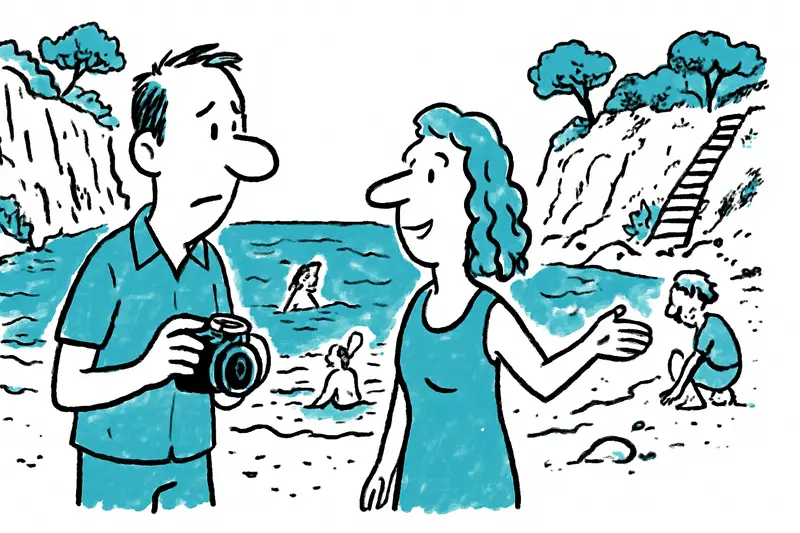
Cala Pi crowned Mallorca's most beautiful beach: A morning at the rocky cove
The travel portal Holidaycheck praises Cala Pi as Mallorca's most beautiful beach: a narrow, romantic cove, clear water,...
Injured captain, big plans: Germania Mallorca before the away match in Consell
The newly founded FC Germania Mallorca travels to Consell on Saturday. Captain Bastian Müller is out injured, but coach ...
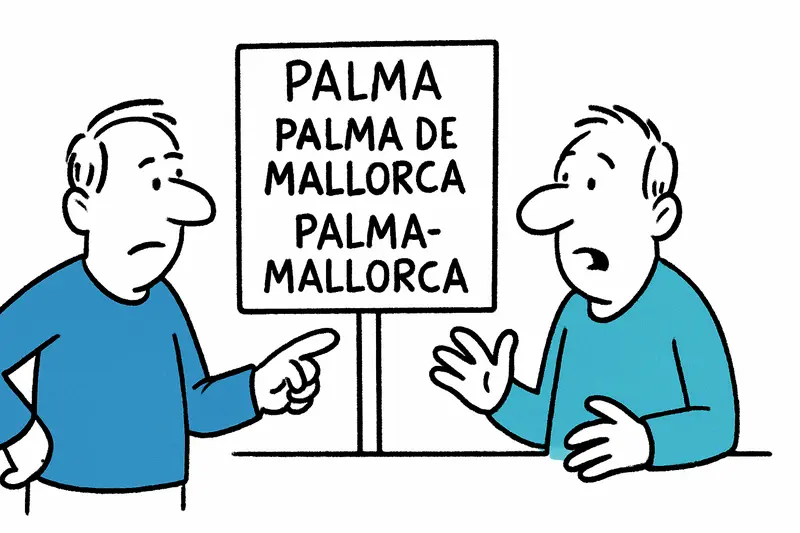
Palma, Palma de Mallorca, Palma‑Mallorca: What is it really about?
The debate over the city's name is more than grammar: it concerns identity, law and branding policy. A sober reality che...
More to explore
Discover more interesting content

Can Cap de Bou

Townhouse Lleo 72
