
Dangerous braking maneuver on the Ma-20: When will authorities finally act effectively?
An abrupt braking maneuver on the Ma-20 involving a bus full of minors shocked Palma. The video led to an arrest — but is that enough?
Sudden braking on the Ma-20: A morning that could have ended much worse
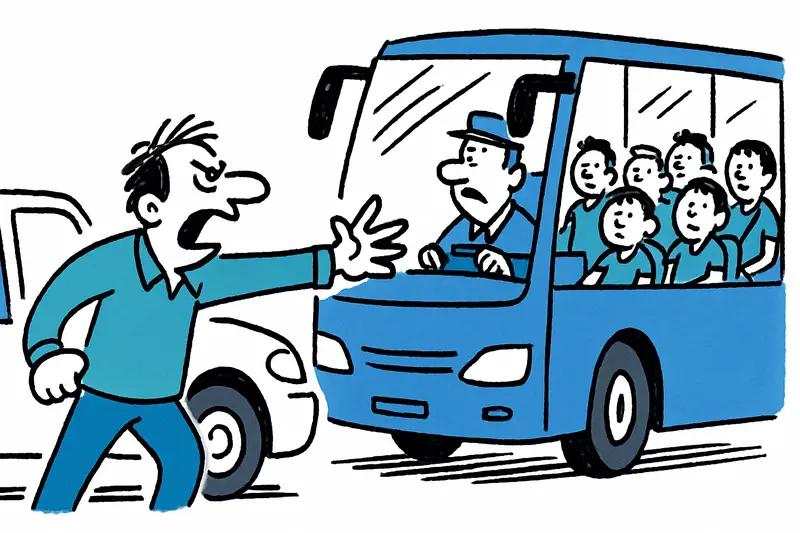
It was one of those cool, light-filled mornings when the Vía de Cintura usually sounds like commuting and bus bells. Around 9:20 a.m., the Ma-20 suddenly turned into a scene of lead-footed driving, horns and wide-open eyes: a car apparently, without warning, began an abrupt braking maneuver on the Ma-20 in the middle of the left lane — directly in front of a fully loaded coach carrying several minors, most of whom were on their way to the airport. There was no applause.
The footage that made people sit up
Lucky in misfortune: an attentive road user captured the maneuver on their phone. The video, which many shoot reluctantly with thumbs over the lens, proved decisive this time. Using the footage, the Guardia Civil was able to identify and arrest a 31-year-old driver. According to officers, the man had previously been swerving, got out of the car after braking, gestured wildly and appeared agitated. Officials reported no injuries — a phrase that does not lessen the adrenaline rush of those involved.
An incident among a series of dangerous encounters
The case joins several alarming scenes on Mallorca's roads: over the weekend a car was rolling practically on two rims on the Ma-13 — sparks flew and the air smelled of burnt rubber. In another case people were spotted in the trunk of a vehicle. All of this plays out against the backdrop of commuters, taxi drivers and school buses. A taxi driver on the Plaça de España put it bluntly: "Sometimes you think people don't care."
The central question: isolated incidents or systemic failure?
The Ma-20 incident raises a simple but uncomfortable question: are these dangerous isolated acts — or do they reveal a structural problem in monitoring, prevention and sanctioning? Videos provide evidence, but they are reactive. What is missing is a preventive net that recognizes and prevents risky driving behaviors early on.
What is often neglected
In public debate we see three neglected points: first the role of rental car fleets and short-term drivers who are unsure on unfamiliar roads; second the tactics of traffic controls, which are often spot checks rather than data-driven; third the psychological component — aggression at the wheel, fatigue, alcohol or simply disrespect for rules. All this together increases the likelihood of escalating situations.
Concrete solutions for Mallorca
Applauding after a video and saying "lucky" is not enough. Three concrete proposals:
1. More mobile checks and intelligent deployments: Instead of static posts, patrols should be concentrated based on data where incidents occur frequently — Ma-20 truck breakdown, Ma-13, access roads to the airport and tourist hotspots.
2. Better regulation and information for rental cars: Rental companies could be required to inform newcomers about local traffic rules and fines; digitally, briefly and mandatorily during the key handover process.
3. Protection for buses with minors on board: A simple measure would be to create fixed escape or buffer zones at departures and to equip drivers with special de-escalation training. A Europe-wide visible sign on the bus ("Minors on board") could also sensitize other drivers.
The potential in the video footage
Yes, camera footage is reactive. But it is also an opportunity: it shows which routes are particularly hazardous, at what times risky behavior increases and which vehicle types are more often involved. This allows police and traffic authorities to deploy their resources more precisely. An anonymous reporting portal for risky driving, linked to an easy upload function for video evidence, could support the Guardia Civil's work without encouraging voyeurism.
And the citizens? What can we do?
A few simple basic rules always apply: keep your distance, don't provoke, take safe photos or videos from a distance and forward them to the authorities when appropriate. And: politics needs pressure. Anyone who uses Mallorca's roads daily feels the island's nerves like the salt in the sea air. We should demand that single incidents turn into lasting improvements.
The Guardia Civil continues to investigate. And while the sun rises over Son Puigstand and traffic finds its rhythm again, the question remains open: When will we truly learn from such alarm moments?
Frequently asked questions
What happened on the Ma-20 in Mallorca with the sudden braking incident?
Why are Mallorca roads like the Ma-20 considered dangerous at times?
Can video footage help the Guardia Civil in Mallorca traffic cases?
What should I do if I see aggressive driving on Mallorca roads?
Are rental car drivers in Mallorca a traffic risk?
What has Mallorca seen recently on the Ma-13 and other main roads?
How can buses carrying minors be better protected on Mallorca roads?
Is dangerous driving on Mallorca a one-off problem or a wider issue?
Similar News
After Being Admitted to Hospital Again: Heinz Hoenig and the Questions We Should Ask in Mallorca
Long-time Mallorca resident Heinz Hoenig was admitted to hospital again. A clear “what next?” is missing from the covera...
Yellow Alert: Is Mallorca Prepared for the Next Rain Band?
Aemet has issued a yellow alert for the south, southwest and the island's interior. Thunderstorms and heavy rain are for...
Kegel brothers trial postponed: Why Mallorca must wait for a verdict
The trial of 13 German holidaymakers will not begin until May 2028. The long wait raises questions — for victims, defend...
Chaos on Palma's Runway: Why the Summer at the Airport Was So Disrupted
This summer laid bare where Palma airport is faltering: only just over half of departures were on time and seven percent...
Cocaine Offer on Ham Street: Why the Open Trade Should Ring Alarm Bells
In the middle of Pare Bartomeu Salvà a tourist was offered a packet of cocaine as part of a sunglasses deal. A short int...
More to explore
Discover more interesting content

Can Cap de Bou

Townhouse Lleo 72
