
Trial over Alleged Cancer Cure in Palma: Questions, Gaps, Solutions
Trial over Alleged Cancer Cure in Palma: Questions, Gaps, Solutions
A court case in Palma takes us back to practices of sales, healing promises and possible consequences: a Germany-led trade in expensive devices, promised high-frequency therapies and a patient who canceled an operation. What does this say about oversight and responsibility?
Trial over Alleged Cancer Cure in Palma: Questions, Gaps, Solutions
In court, on the square and in the waiting room: How dangerous are healing promises on the internet?
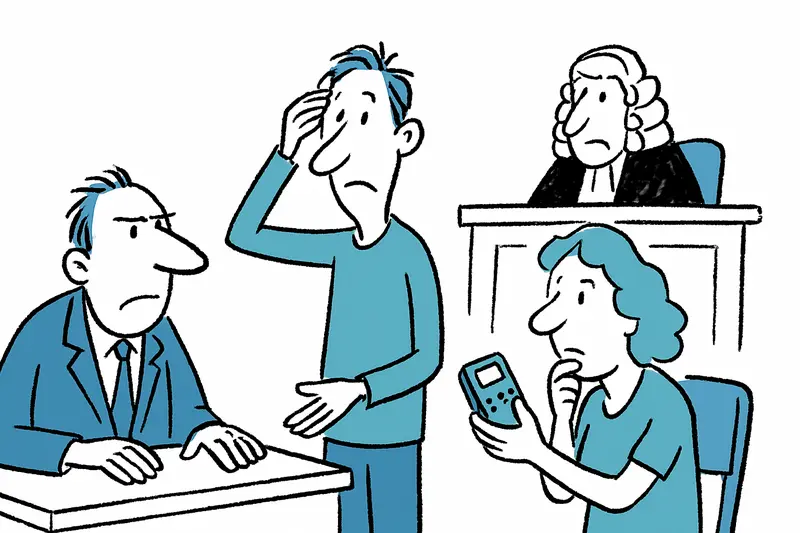
At the provincial court in Palma, an entrepreneur is currently on trial after an alleged victim accuses him of selling a device for €7,000 that supposedly could cure cancer. The man, who operated primarily in Germany, is said to have presented himself as a doctor, published a book with instructions and promoted a so-called high-frequency therapy on several websites, in which water is "energized" to strengthen the immune system. According to the civil lawsuit, the buyer canceled a scheduled operation and thereby apparently worsened his medical course. The private lawsuit demands a total of nine years' imprisonment, repayment of the purchase price and €10,000 in compensation; a pending commission of €114,000 related to a real estate transaction is also mentioned, a situation similar to Palma on Trial: The Major Real Estate Fraud and the Question of Justice.
Key question: What responsibility do providers of such products bear, and why doesn't law enforcement act more decisively? That is the question increasingly being asked in Palma's streets. In front of the courthouse men in suits gather, passersby sweat on Passeig Mallorca, a delivery scooter beeps, tourists photograph the cathedral — and at the same time proceedings are taking place that decide about health and trust.
Critical analysis: At first glance this looks like a classic fraud scenario: an expensive product sold with advertising claims of healing success and a customer who trusted those promises and postponed a medical treatment. The prosecution argues fraud and an offense against public health. Notably, the public prosecutor has not yet filed charges and the matter is being pursued as a private prosecution. That raises questions about the resources of the authorities, the evidentiary challenges in health-related offenses, and jurisdictional issues when companies operate across borders.
What is missing from the public debate: the number and scope of comparable cases, such as When the bargain leads to the hospital: Medical fraud in Palma and what now needs to change and Illegal Filler Treatments: Why Palma Must Crack Down Harder on the Beauty Black Market, clear information for affected people on how to protect themselves legally, and understandable guidance about which devices are regulated or prohibited in which countries. There is also little discussion of how digital sales channels and perceived expert status (for example presenting oneself as a "doctor") distort trust. Equally underexamined is the role that medical advice centers and general practitioners could play in warning patients early on.
Everyday scene from Palma: On a hot morning passing Plaça Major you hear the panting of the garbage truck, see retirees with shopping bags and young people with ice lollies. That behind the façades of the city there are legal disputes about life and death is hardly noticed. In the cafeteria opposite the court people discuss the cases — often with a hint of disbelief: "How can someone fall for something like that?" Another voice: "When you're ill you look for hope everywhere — we in Palma know that all too well."
Concrete solutions: First, better transparency and cross-border cooperation among medical device regulators. If a device is banned in the USA, that should be a warning signal for European authorities. Second, mandatory labeling of health devices offered online in plain language and in multiple languages so buyers can recognize applicable regulations. Third, a hotline or advisory center for suspected cases — networked with oncologists and consumer protection agencies. Fourth, stricter sanctions against individuals who present themselves as medical professionals; this must be prosecutable regardless of the product's effectiveness. Fifth, educational measures in practices and hospitals: general practitioners should specifically ask whether patients use alternative devices before planned procedures are postponed.
What the judiciary in Palma will decide remains to be seen. One thing is certain: the case shows how quickly hope can turn into risk when commercial interests meet medical emergencies. For Mallorca this means: an island with significant medical infrastructure and many caregivers must remain alert to unscrupulous providers who sell trust online.
Punchy conclusion: It is not enough to deal with individual cases one by one. Politics, consumer protection and the healthcare system must cooperate more seamlessly — otherwise the street in front of the Palma courthouse will remain full of people seeking answers while others make good money online with promises.
Frequently asked questions
What’s the best time of year to visit Mallorca for outdoor activities?
What should I pack for a Mallorca beach vacation?
Is it safe to swim in Mallorca’s beaches and how should I approach water safety?
How are medical devices and online health claims regulated in Mallorca and across Europe?
What happened in Palma's court regarding an alleged cancer-cure device?
How can Mallorca residents protect themselves from online health device scams?
What role can doctors and medical centers play in warning patients about risky devices?
What steps could improve cross-border regulation and consumer protection for Mallorca’s healthcare landscape?
Similar News
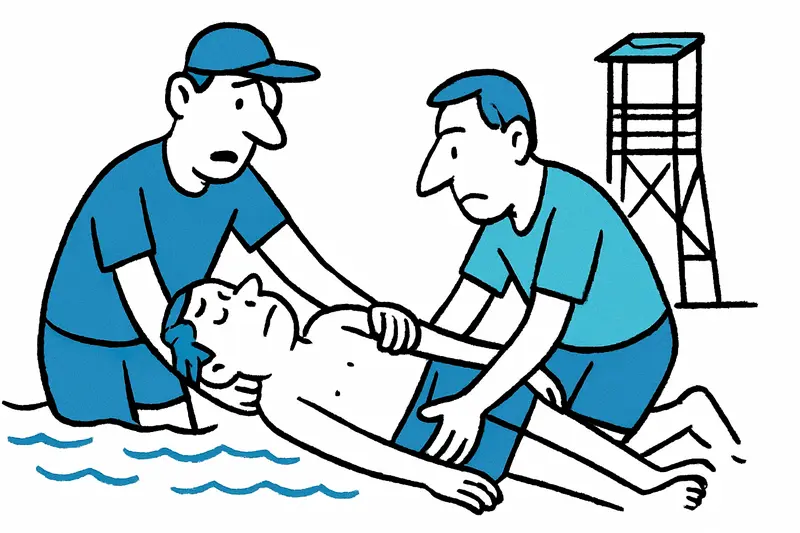
Magaluf: Watchtower Alarm – Lifeguards Pull Unconscious Beachgoer from the Water
After a drama in the late afternoon, two lifeguards at Magaluf beach rescued an unconscious 44-year-old man. He was stab...
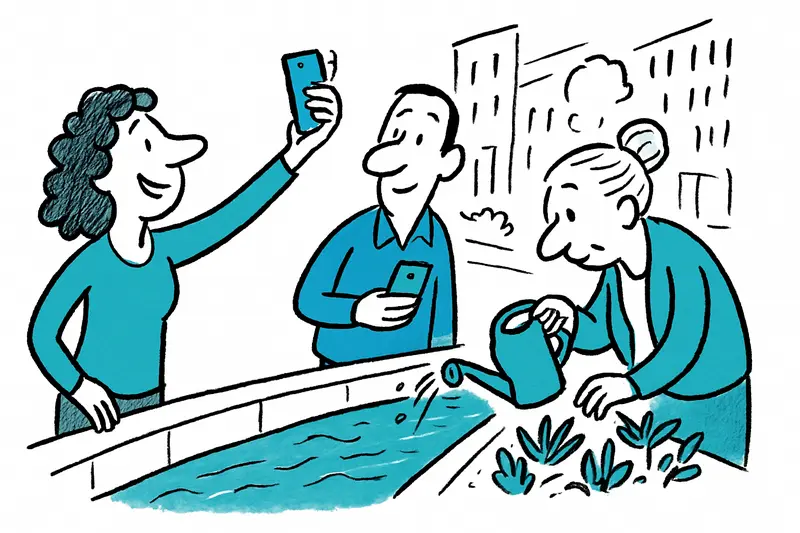
Turquoise in the City: How dangerous is the color play of the Sa Riera?
The Sa Riera in Palma suddenly turned turquoise — a pretty motif, but behind the effect lies a discharge of saline waste...

Jeckliner at Sunnesching: Cologne spirit sets sail from Palma
In September 2027 the Mein Schiff 2 briefly becomes a floating carnival stage: four days with Cologne bands, comedy and ...
Finally Home: Mike and Leyla Heiter Buy Villa with Sea View in Mallorca
The reality TV couple Mike and Leyla Heiter have bought a house in Mallorca with a roof terrace and sea view. An Instagr...

Arrest after series in Palma: Who protects apartments from repeat offenders?
The National Police arrested a man in Palma who investigators say may have broken into several apartments. In one incide...
More to explore
Discover more interesting content

Can Cap de Bou

Townhouse Lleo 72
