
Ammunition depot at the airport: Madrid backtrack — is the danger really over?
Ammunition depot at the airport: Madrid backtrack — is the danger really over?
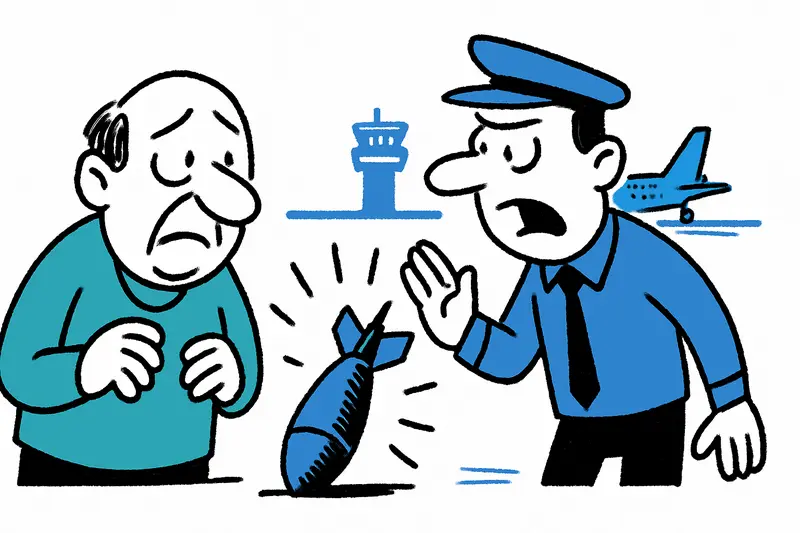
Madrid has put the planned ammunition depot near Son Sant Joan on hold for now. For many residents this sounds like a relief — but the decision leaves questions open: transparency, safety and the role of the regional government remain unclear.
Ammunition depot at the airport: Madrid backtrack — is the danger really over?
The key question: Was this just a PR move — or does real clarification begin now?
The news that Madrid has suspended the project for an ammunition depot at the Son Sant Joan air base reached Mallorca like a brief, surprised sigh of relief. In Sa Casa Blanca, where the construction site had been planned, the bakery door stayed open a little longer than usual that morning; people exchanged serious looks instead of the usual jokes about aircraft noise. Nevertheless: for those affected and local politicians, there is more than a single cheer. The central question remains unanswered: Is the project finished or merely postponed?
A look at the facts paints an ambivalent picture. Madrid has deferred the project and ordered a review of alternative sites; the Balearic government calls it a correction and welcomes the decision. At the same time, it is not new that the Spanish Council of Ministers has already classified Son Sant Joan as an area of national defense interest — a legal basis that places future planning directly under Madrid's authority. Technical documents that previously questioned the safety distances circulated, and residents had expressed concern about the proximity to the airport and the possible storage of rockets and guided bombs. The planned maximum quantity of 75 tons was reportedly not fully used, according to the military side; but quantity is only part of the problem.
Critical analysis: The decision partly appears to be a reaction to public pressure rather than the result of transparent safety and risk assessments. An independent, publicly accessible evaluation that brings together aviation safety, accident probability, explosion risk, possible environmental impacts and emergency plans is missing. The weighing up between military necessity and civilian safety has also not been transparently documented to date. Government authorities are legally entitled to plan such projects; however, that does not justify leaving the local population and regional administration out of the process.
What is missing from the public debate: a clear technical report from independent experts that explains in terms understandable to laypeople why certain safety distances were chosen — or why they are problematic. A binding communication plan is missing so that residents know which risks exist concretely and how to respond in the event of an accident. Also, the question of whether alternative locations on the mainland were examined and according to which criteria has hardly been publicly explained. Finally, a binding parliamentary debate in the Balearic assembly with access to all relevant documents is lacking.
Everyday scene in Mallorca: Imagine Avenida Gabriel Roca, where in the early afternoon tourists stroll by the sea while the noise from a runway rolls through the neighborhood. On her way back to Sa Casa Blanca an elderly woman stops in front of the kiosk, nods to the shopkeeper and says dryly: "Better they don't store that stuff next to our houses." Such small encounters reflect the mix of relief and mistrust that currently shapes the island.
Concrete solutions that are urgently needed now:
1) Immediate, transparent review mandate: An independent panel of experts, jointly appointed by Madrid and the Balearic government, should produce a public safety assessment. Members should come from explosive safety, aviation, disaster management and environmental fields.
2) Public participation process: Residents, the municipal council and regional representatives must have access to all plans and reports. Information events in affected neighborhoods (such as Sa Casa Blanca) should be mandatory.
3) Priority for alternatives outside densely populated areas: If depots are necessary, sites with sufficient distance from residential areas and flight paths must be examined — including on the mainland. Cost must not be the only deciding factor.
4) Stricter legal oversight: The Balearic government should, also politically, push for national decisions of this magnitude to be more tightly bound to democratic oversight and environmental review.
5) Emergency plans and transparency: Evacuation plans, warning systems and responsibilities must be documented and practiced with the local population.
Punchy conclusion: A backtrack from Madrid is only really "good news" if it is accompanied by clarity, independent review and genuine participation by local people. Son Sant Joan may be spared from immediate activity for now, but the structural deficiencies — lack of transparency, unclear risk assessment, absence of citizen participation — remain. Those who still sit in a street café in Mallorca sipping a coffee while watching the runway do not want temporary reassurance. The island needs long-term, legally secure solutions, not mere crisis PR.
And for the next step: regional and local politicians should now not only applaud but demand clarification from Madrid. People deserve answers, not stopovers.
Frequently asked questions
Is the ammunition depot project at Son Sant Joan in Mallorca definitely cancelled?
Why are people in Mallorca worried about an ammunition depot near the airport?
What does the suspension of the depot plan mean for Mallorca residents right now?
Has Mallorca seen enough transparency from Madrid on the Son Sant Joan depot plan?
What safety checks should be done before an ammunition depot is planned near Palma airport?
Why is Sa Casa Blanca mentioned in the Mallorca depot debate?
Could the ammunition depot be moved to the mainland instead of Mallorca?
What should Mallorca authorities demand from Madrid after the depot backtrack?
Similar News

Rental Car Theft in El Arenal: What This Incident Reveals About Our Gaps
A teenager steals a running rental car in El Arenal, flees on foot, climbs over walls and is caught by the Guardia Civil...

Red Rope in Palma's Library: What Helps Against Selfie Tourism — and What's Missing
Palma's city library cordoned off an area with a red rope to keep selfie tourism away from reading and working activitie...

Fort San Carlos: Museum, Harbor Dispute — and a Conflict That Demands Answers
The military museum at Fort San Carlos sits right on Palma's harbor, with unexpectedly quiet rooms filled with cannons a...
Old Town Under Pressure: When a Doorway Becomes a Sleeping and Shower Place
For months a woman has been living with a parasol, a clothes rack and personal belongings next to the social welfare off...

When Shopping Weighs Heavier: Mallorca Demands a Tax Pause on Food and Fuel
Rising prices are putting pressure on households and agriculture. The Balearic Islands are calling for temporary tax rel...
More to explore
Discover more interesting content

Can Cap de Bou

Townhouse Lleo 72
