

Arrest in Palma: 'El Ico' detained after incident at Son Llàtzer
Arrest in Palma: 'El Ico' detained after incident at Son Llàtzer
A man known as the son of former drug boss 'La Paca' was arrested in Palma after disturbances in Son Banya and an incident at Son Llàtzer hospital. Police found a pistol considered a weapon, the authenticity of which is still being examined. Our article asks: Is policing alone enough?
Arrest in Palma: 'El Ico' detained after incident at Son Llàtzer
Key question: Is an arrest enough to really calm the situation in Son Banya and on the streets of Palma?
On June 10, 2026, a man was arrested in Palma who has for years been associated with a prominent family in the Son Banya neighborhood. Known by the nickname 'El Ico', he is suspected of having threatened several people with a pistol at the Son Llàtzer hospital. Earlier, authorities said there had been an altercation in Son Banya in which shots were reportedly fired into the air. The National Police later secured a pistol; initial indications suggest it may be a replica. Investigations are ongoing. Similar debates followed prior cases, as reported in Arrest in Palma: A Step, but Not the Final Word.
This sequence of events — a dispute in a neighborhood, shots fired into the air, then a threatening incident in a clinic — appears at first glance to be an extreme isolated case. But anyone who lives in Palma knows the loud summer evenings: scooters, playing children, the rattling exhausts in Carrer de Sant Miquel. In such moments it becomes clear how thin the line is between a neighborhood quarrel and a public danger.
Critical analysis: An arrest is necessary, no question. It is the tool with which the police avert an acute danger. High-profile raids have raised many questions, for example Arrest of 'El Indio' in Palma: A Step Forward with Many Questions. But arrests are reactive. They do not automatically change the structural conditions from which violence, shows of force and the presence of illegal networks arise. Son Banya has been a hotspot for years — poverty, precarious housing and a lack of prospects for young people are part of everyday life. If the public debate only celebrates headlines, the question of prevention remains open.
What is often missing in public discourse: clear facts about background causes and solutions that don't follow gang lines. People talk about individual perpetrators, rarely about their social networks. They discuss weapons, seldom the legal status of replicas and how they increase the feeling of violence among the population. Also little attention is paid to the burdens on health centers: security staff at hospitals often work without clear protocols for situations involving possible imitation weapons.
Everyday scene: A morning in Palma, the market vendors at Mercat de l'Olivar shout prices, the scent of freshly grilled fish mixes with citrus. In Son Banya, by contrast, the alleys are narrower, conversations shorter, mistrust palpable. Residents there have had more frequent visits from police and investigators in recent years. For many locals, the presence of security forces is ambivalent: necessary, but not a solution to the lack of jobs or educational opportunities.
Concrete approaches: First, preventive social work instead of mere presence: mobile teams of social workers, mediators and vocational advisers who regularly work in the neighborhoods. Second, clear rules and training for clinic staff and security personnel in dealing with imitation weapons: visible threats require procedures that reduce injuries without criminalizing patients. Third, cooperation between police, municipalities and neighborhood initiatives: joint problem analysis instead of solo missions. Fourth, legal clarity: replicas should not automatically be without consequence if used to threaten — this needs legislative review.
Additionally: long-term perspectives for young people. Simple infrastructure measures — better lighting in alleys, recreation rooms, sports facilities — have proven de-escalating effects. Training partnerships with local businesses could offer young people real jobs. Police operations without a parallel social strategy remain a bandage on a wound that will reopen; public image and cross-border policing also shape reactions, as discussed in Handcuffed Straight from Palma: Cross‑Border Manhunts, Mistakes and Mallorca's Image.
What matters now: transparency in the investigations and a sober debate. It is legitimate to demand public safety. It is equally necessary to avoid sensationalism and instead seek structural answers. Police work in this concrete case must clarify the act; on the street, however, Palma needs more than sirens.
Pointed conclusion: The arrest of 'El Ico' can end the acute incident. It does not replace the long-term action needed to make neighborhoods like Son Banya more resilient. Those who take the situation in Palma seriously must combine both: decisive action when violence threatens, and simultaneous investment in prospects so that young and old do not repeatedly run through the same spiral.
Frequently asked questions
What kind of weather can you expect in Mallorca in spring?
Is Mallorca warm enough for swimming in spring?
What should you pack for a spring trip to Mallorca?
Is spring a good time to visit Mallorca?
What is Sóller like to visit in spring?
Is Alcúdia a good place for a spring break in Mallorca?
What is Palma like to explore in spring?
Are Mallorca beaches quiet in spring?
Similar News
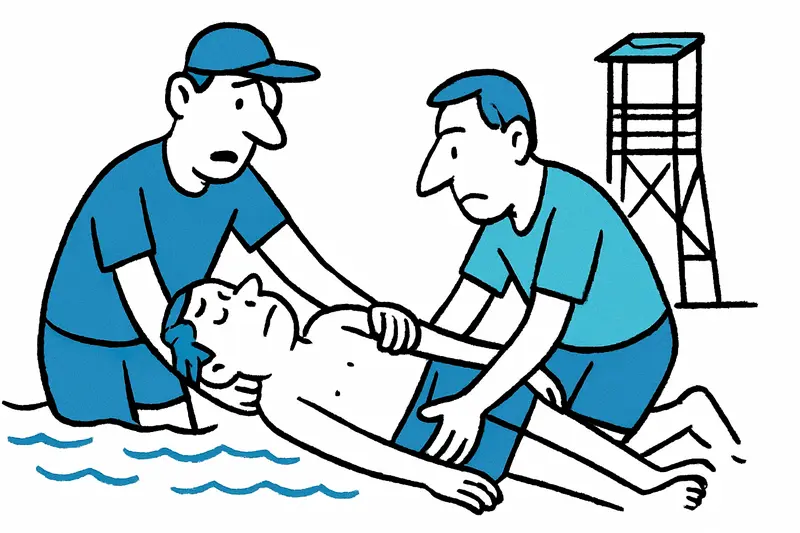
Magaluf: Watchtower Alarm – Lifeguards Pull Unconscious Beachgoer from the Water
After a drama in the late afternoon, two lifeguards at Magaluf beach rescued an unconscious 44-year-old man. He was stab...
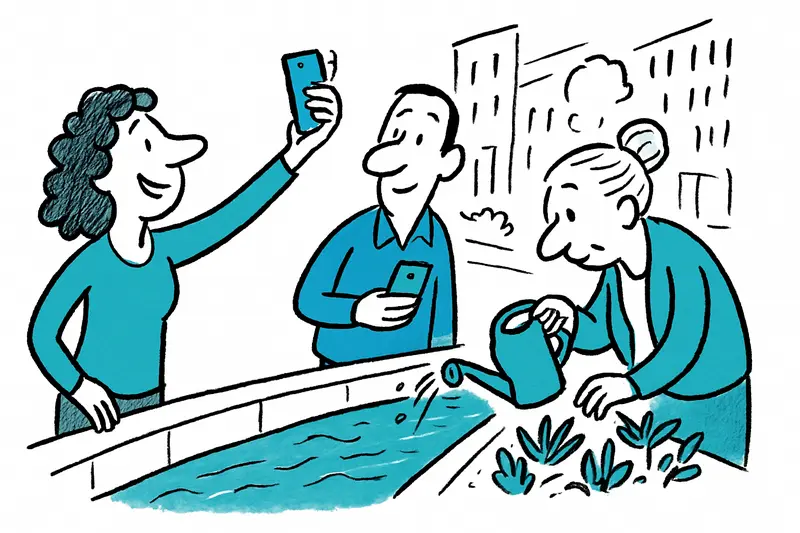
Turquoise in the City: How dangerous is the color play of the Sa Riera?
The Sa Riera in Palma suddenly turned turquoise — a pretty motif, but behind the effect lies a discharge of saline waste...

Jeckliner at Sunnesching: Cologne spirit sets sail from Palma
In September 2027 the Mein Schiff 2 briefly becomes a floating carnival stage: four days with Cologne bands, comedy and ...
Finally Home: Mike and Leyla Heiter Buy Villa with Sea View in Mallorca
The reality TV couple Mike and Leyla Heiter have bought a house in Mallorca with a roof terrace and sea view. An Instagr...
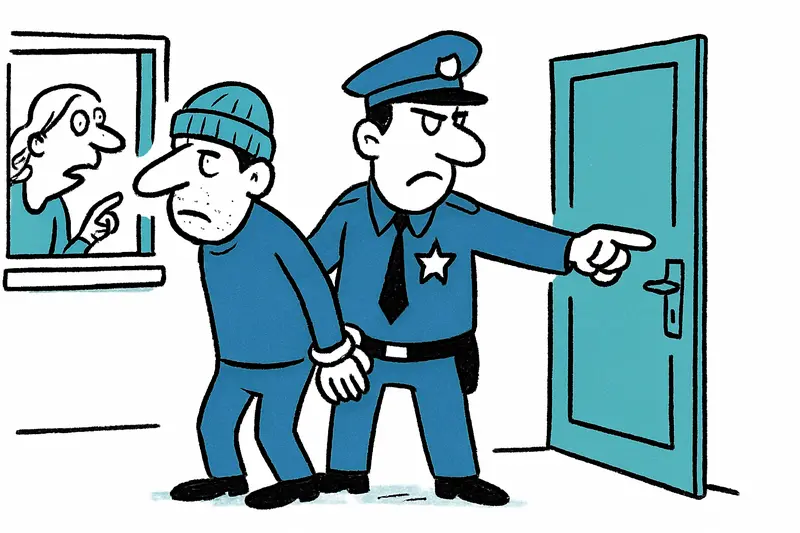
Arrest after series in Palma: Who protects apartments from repeat offenders?
The National Police arrested a man in Palma who investigators say may have broken into several apartments. In one incide...
More to explore
Discover more interesting content

Can Cap de Bou

Townhouse Lleo 72
