
Arrest in Son Sant Joan: Tourist attacks taxi driver — what the incident reveals about the island
Arrest in Son Sant Joan: Tourist attacks taxi driver — what the incident reveals about the island
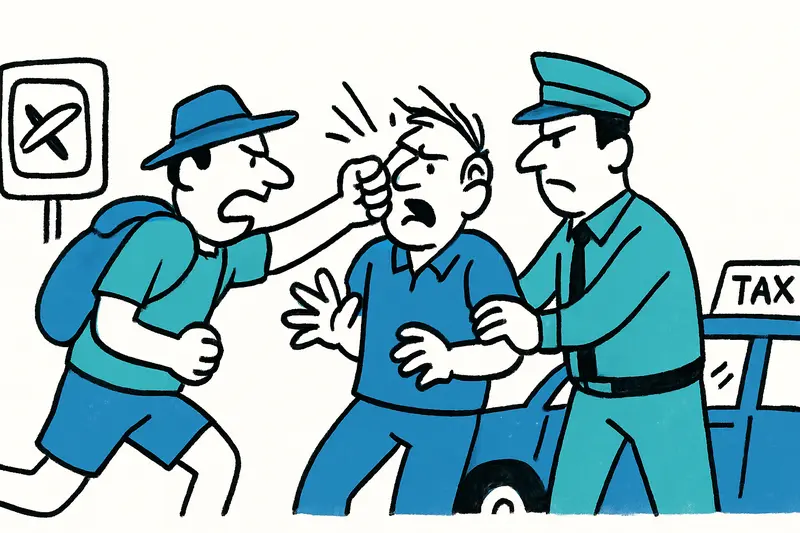
A dispute over a pedestrian crossing escalated at Palma Airport: a British tourist struck two taxi drivers and damaged a vehicle. The National Police arrested him; security personnel had already pinned him to the ground.
Arrest in Son Sant Joan: Tourist attacks taxi driver — what the incident reveals about the island
Key question: Why do small disputes at Mallorca's airports escalate so quickly — and who ensures that neither people nor jobs are harmed?
It was one of those hot evenings at Palma Airport: loudspeakers announced arrivals, suitcases rattled across the tarmac, taxi drivers leaned against their vehicles waiting for the next fare. In this setting, an incident occurred last Tuesday that stands out because it began trivially and ended violently. According to authorities, a British tourist got into an argument after a taxi driver pointed out that he had crossed a pedestrian crossing on red. The man reacted with physical violence, first hitting the driver and later an assistant; another taxi was damaged on the hood, door and fender. Security staff held the aggressor until the National Police arrived after receiving a 091 emergency call; a force that has also recently been involved in the National Police arrest suspected hotel thief in Palma – a safety check for travelers. There are charges for two counts of assault and one of property damage; the damage is estimated at more than 400 euros.
Critical analysis: triggers, course of events, responsibility
The conflict reveals several levels: first, the immediate trigger situation — a pedestrian crossing, a reprimand, an outburst — second, the daily working reality of taxi drivers who often have to cope with time pressure, construction-related traffic and impatient arrivals, and third, the security framework at the airport. That security staff were able to hold the man on the ground is evidence of on-site presence. At the same time, it remains unclear how quickly initial police measures take effect and what support is offered to injured drivers; similar questions about arrests and procedures were raised after an Emergency Landing at Son Sant Joan: Questions Over Arrests and Procedures. It is also questionable whether preventive signals — visible signs, announcements or measures to steer pedestrian flows — are sufficient to avoid such confrontations, and separate incidents such as Thefts at the Airport: Two Employees Detained – How Secure Is Son Sant Joan? highlight broader security issues.
What is often overlooked in public debate
We quickly talk about “good” or “bad” tourists, about alleged thoughtlessness, but rarely about structural factors: taxi drivers' shift lengths, nerve-wracking waiting times in the evening hours, a lack of clear language bridges for passengers who have just arrived, or the layout of the arrivals area that encourages unclear crossings. Also rarely examined are the consequences for those affected — a taxi driver's income threatened by an attack, possible psychological aftereffects following a fight, and the question of how quickly a repair fund or insurance steps in.
Everyday scene from Mallorca
Picture the scene: outside the arrivals hall a cool breeze chases away the midday heat from the airfield, one driver lights a cigarette, another speaks quietly on the phone with the cooperative's administrator. Tourists with sun hats push their suitcases, listen to music in their headphones and may not always watch the traffic lights. A small remark is enough, a torrent of words — and amid the airport noise a punch suddenly lands. Routine turns into an incident in no time, which security staff and later the police must then handle.
Concrete solutions
- More visible and multilingual signs in the arrivals areas: short pictograms and announcements in the main languages could make pedestrians aware of traffic rules.
- De-escalation training for taxi drivers and airport staff: short workshops run by operators or the taxi association so complaints can be expressed without provocation.
- Increased presence of security personnel at peak times and fast communication channels to the police: so helpers are not left alone during an escalation.
- Clearer structural separation for pedestrian flows so that "jaywalkers" have less incentive to ignore traffic lights.
- A straightforward damage reporting procedure for taxi drivers, including quick assistance for minor repairs so that financial consequences are not left unresolved.
Conclusion
The incident at the airport was not a one-off in the sense of "just bad luck"; it is a warning sign. Small frictions can quickly turn into violence on cramped, noisy traffic areas. Anyone who wants to bring calm to the arrivals areas must turn several screws: structurally, communicatively and organizationally. Otherwise, what remains at the end is not only a damaged fender, but also the feeling that work and public spaces are not sufficiently protected — and that is poor service for locals and visitors alike.
Frequently asked questions
When is Mallorca's best time to visit for warm weather and swimming?
What should I pack for a Mallorca trip during spring and summer?
Is it possible to swim in Mallorca during autumn or winter?
Is renting a car the best way to explore Mallorca’s beaches and towns?
What’s the best way to experience Palma's historic center?
Is the train from Palma to Sóller worth a day trip?
Are Mallorca's beaches near Alcúdia suitable for families?
Do I need to book popular activities in Mallorca ahead of time?
Similar News
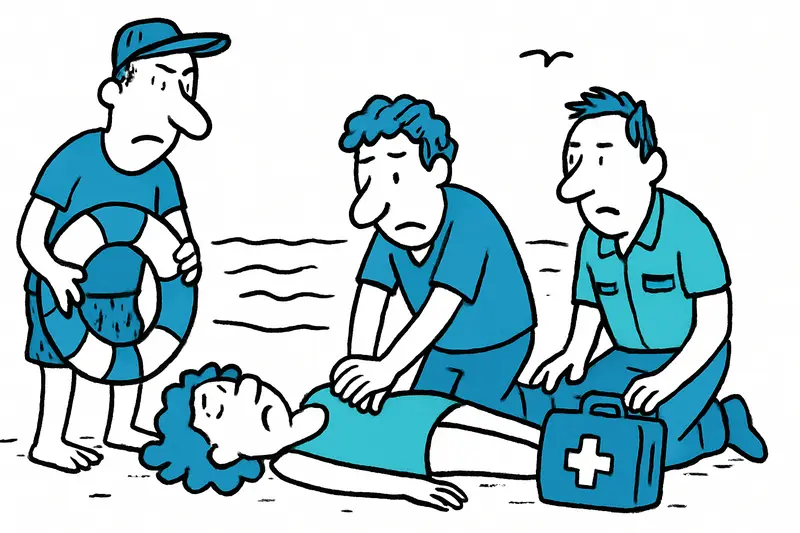
Beach Emergency in Portals Nous: Why Seconds Can Decide Life or Death
A visitor from Asturias suffered a cardiac arrest on Friday afternoon off Portals Nous and was brought ashore after prol...
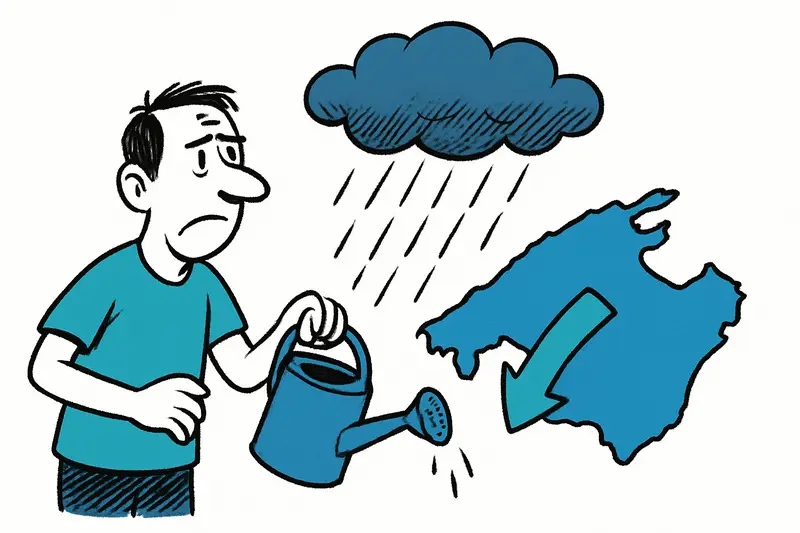
Rain in Sight – Will the Water Be Enough for Mallorca by the End of the Week?
Aemet predicts showers at the end of the week. But a few drops and a slight temperature drop are not enough to ease the ...
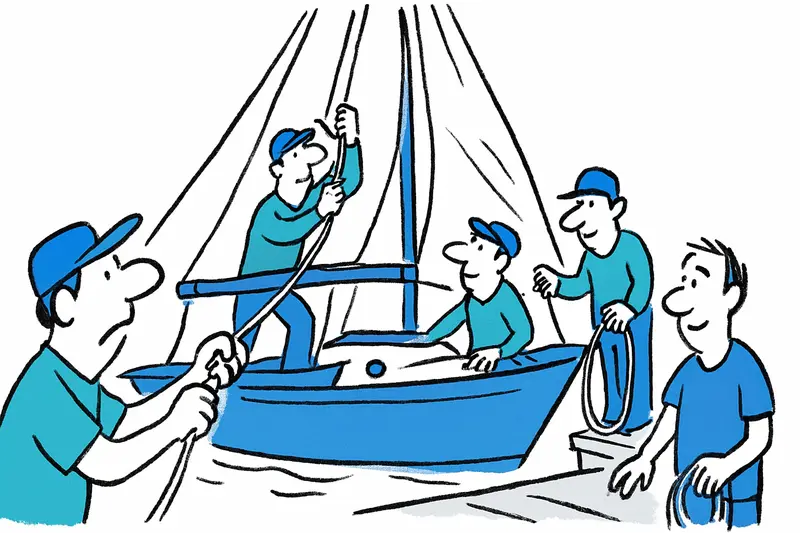
Community at Sea: A Sailing Club in Port d'Andratx Opens Its Hatches
In the harbor of Port d'Andratx, residents share a 13-metre sailing yacht, organize trips themselves and thus keep a sma...
28 Dead on the Way to Mallorca: What This Shipwreck Says About Rescue in the Mediterranean
A boat traveling from Algeria to the Balearic Islands capsizes, 28 people die and only four survive. Who is responsible,...
Graffiti on the Ma-10: "Mallorca is not Germany" – What's behind it, what to do?
On the Ma-10 between Estellencs and Andratx the German sentence "Mallorca ist nicht Deutschland" appeared on several roa...
More to explore
Discover more interesting content

Boat Tour with BBQ along Es Trenc Beach
Private transfer from Mallorca Airport (PMI) to Pollensa
