
Thefts at the Airport: Two Employees Detained – How Secure Is Son Sant Joan?
Two employees at Son Sant Joan Airport were arrested: cash taken from a waist bag and apparently tampered machines. A look at security gaps, working conditions and possible countermeasures.
Arrests at the Airport: Between the Baggage Carousel and the Security Check
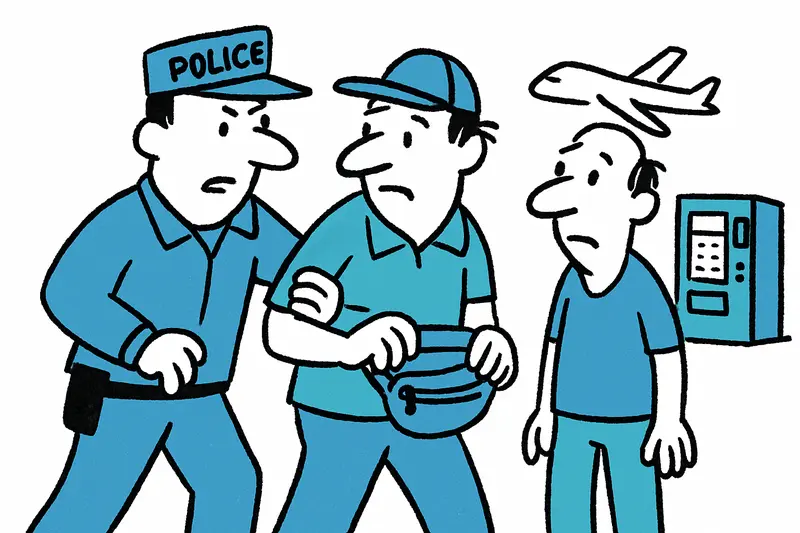
The usual noise in Terminal 1 – the rattle of suitcase wheels, announcements in Mallorcan Spanish and the muted hum of the air conditioning – was interrupted one Tuesday morning by serious police operations. The national police arrested two employees suspected of embezzling money at AENA Son Sant Joan airport information. At first glance these seem like isolated incidents: a stolen waist bag with thousands of dollars, tampered machines and two men found with four-figure sums in cash. But the events raise a larger question:
Key question: Is this the work of lone offenders or a symptom?
The central question is: are these two isolated misdeeds, or do the incidents reveal systemic gaps in the organization that facilitate abuse? Surveillance footage and tips from staff quickly led to the arrests, as detailed in Detenciones en el aeropuerto de Palma: dos empleados bajo custodia por presuntos robos. But how could an employee get close enough to a traveler for a waist bag containing around $7,000 to disappear unnoticed? And how can the apparent use of a key trick on vending machines be explained? Local coverage also described the initial findings in Robos en el aeropuerto: dos empleados detenidos – ¿Qué tan seguro es Son Sant Joan?.
What is often missing in the public debate
The focus understandably falls on the perpetrators. Discussed less often is how access, responsibilities and pay influence the risk. Many tasks at the airport are outsourced: cleaning services, baggage handling, machine maintenance. Those who have access to critical areas – such as keys for machines, key rooms or direct contact with travelers – should be subject to compensating control mechanisms. However, regular external audits, anonymous reporting platforms and consistent documentation of key movements are often lacking.
Working conditions as part of the explanation
An uncomfortable but important issue: low wages, precarious shift patterns and high time pressure. Employees report that, in addition to the noise from the airfield, exhaustion is part of everyday life: short breaks, coffee left in a corner and a constant flow of passengers. That does not excuse anything. But it explains why absolute integrity can come under pressure for some – and why employers should invest more in prevention before a case occurs.
Concrete vulnerabilities and practical solutions
The police cited surveillance videos and witness statements as evidence. From these, concrete steps can be derived:
1. Access control and key management: Introduce electronic key cabinets that log each removal, following international guidance such as ICAO aviation security guidance. Mechanical master keys should be the exception. Any changes to locks must be documented and any tampering must be reported immediately.
2. Cash handling and transparency: Equip vending machines with electronic cash-level reporting or switch to cashless systems. Any cash removal by staff should be signed off by two people (two-person rule).
3. External audits and spot checks: Independent inspections, unannounced controls and regular inventories reduce opportunities. Checks should cover not only operating companies but also their subcontractors.
4. Personnel policy: Better background checks for new hires, regular training on ethics and theft prevention, and anonymous reporting channels for employees.
5. Public communication: Clear guidance for travelers on how and where to store valuables safely, and fast reporting channels in case of loss.
Why quick measures also matter for the image
Son Sant Joan depends on the trust of its guests. A stolen wallet at the baggage carousel remains in people's memories – just like the smell of espresso in the terminal café or the fluttering parasols outside the airport. Small incidents can cumulatively undermine many visitors' sense of security. That is why it's not only about prosecution but about prevention: fewer headlines, more visible security.
Outlook
The investigations are ongoing. Whether the cases fit into a larger context is something the national police still want to clarify, and updates may be available through the Policía Nacional official website. It is possible that these were isolated crimes. It is also possible that there are weaknesses that need to be addressed systematically. For travelers, the simple advice remains: do not carry valuables openly and report any disappearance immediately. For operators, the message is: pay attention, adjust measures and don't rely solely on police controls.
In the end there remains the quiet certainty you pick up around the airport — alongside the chorus of announcements and the rattle of suitcase wheels: security does not happen spontaneously. It must be organized, monitored and lived.
Frequently asked questions
Is Son Sant Joan airport in Mallorca still safe for travellers?
What should I do if my luggage or valuables go missing at Palma Airport?
How can travellers protect cash and valuables at Mallorca Airport?
Are airport employees in Mallorca checked and monitored properly?
Why do theft cases at Mallorca Airport raise wider concerns?
What parts of Palma Airport are most important for security?
What improvements could make Mallorca Airport more secure?
Should I avoid carrying cash through Mallorca's airport terminals?
Similar News
The End of the Cheap Ride? Why Mallorca Is Hit Harder by the Fuel-Price Shock
Gasoline and diesel average close to two euros per liter. What this means for commuters, supply chains and renters in Ma...
Relaxed liquid rules in Munich: What Mallorca travelers will notice
At Munich Airport the 100-milliliter rule will be lifted at all checkpoint lanes — thanks to new CT scanners passengers ...
For 45 Years on Mallorca — and Then This: How a Market Visit in Santa Ponsa Became a Lesson
A woman who has lived on the island for decades lost money and important documents at the Mercat Setmanal in Santa Ponsa...
10 percent surcharge on the beach: How legal and transparent is the extra charge at Playa de Muro?
A German part-time resident noticed days after a restaurant visit in Playa de Muro that the bill included a flat ten per...

Body near the Llevant Market: What this death says about our city
A man was found dead on Sunday afternoon near the Llevant Market. Police say the death appears natural. The scene raises...
More to explore
Discover more interesting content

Can Cap de Bou

Townhouse Lleo 72
