
Artificial Lake in Sa Pedrera: Luxury Show Despite Water Shortage
Artificial Lake in Sa Pedrera: Luxury Show Despite Water Shortage
An organizer filled an artificial lake in Sa Pedrera for a solar eclipse party. How much water was actually used — and what rules apply during droughts?
Artificial Lake in Sa Pedrera: Luxury Show Despite Water Shortage
Key question: Is water that is scarce in many places allowed to serve as stage scenery, even if organizers claim it was reused?
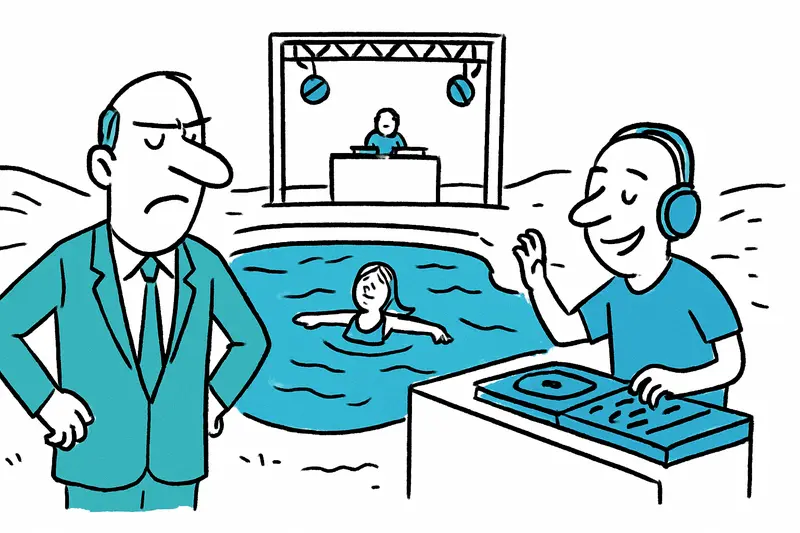
During the hot week when heat shimmer hovered over the streets of the Balearics and ice cream shops in Palma competed for customers, a different spectacle took place on the neighboring island of Ibiza: an artificial lake was created for a party in the Sa Pedrera quarry near Sant Antoni. Organizational details vary — the organizer said it was less than 60,000 liters, while initial estimates reached up to 170,000 liters. The municipality expressed anger because it said it had not been informed.
This is not just a matter of numbers. On Mallorca people experience daily how sensitive the issue of water is: farmers checking fields early in the morning with tractors and drip irrigation; residents in rural communities taking shorter showers during hot summers; conversations at a bar on the Paseo Marítimo where retirees and young families alike discuss saving water. Against this backdrop, a temporary lake as stage scenery can seem like a bad joke to some.
Several points need critical examination: first, the source of the water. The organizer claims the water came from cistern trucks; second, that it was pumped out after the event and sent for treatment. That may fill a legal gray area, but in practice the question remains how often such claims can be verified. Thirdly, transparency about quantities is often lacking — who actually measures on site with calibrated devices?
The Sant Antoni administration called the action unnecessary and recalled its long-standing appeal for responsible water use. At the same time, the event was apparently permitted because generous donations to social institutions were announced. This is a delicate dilemma: charity and image projects may have social benefits, but they do not automatically legitimize resource behavior that is questionable for the general public.
What is often missing in the public debate is concrete oversight instead of mere indignation. Debates frequently revolve around outrage and moral condemnation rather than measurable standards. Also rarely discussed is which types of water were used — drinking water, non-potable water, treated greywater? This distinction is decisive for assessing such an action.
A simple, practical proposal: for events of this scale the municipality should require notification including mandatory quantity declaration and a measurement protocol. Cisterns should have certified meters, and external water deliveries must be documented in advance. Secondly: during dry periods exceptions should only be allowed if it can be proven that exclusively previously treated water from controlled sources was used.
In addition, municipalities could introduce a targeted approval procedure that examines not only environmental risks but also social benefits and alternatives — for example whether an optical illusion using less water (reflective surfaces, liners) would be possible. And: sanctions should not be limited to fines but include binding compensation measures, such as investments in local water projects.
On the local level, transparency helps: a simple online register for special permits would quash rumors and build trust. Citizens have a right to know whether resources that are missing elsewhere were used for a spectacular party. Oversight not only creates fairness, it also prevents greenwashing at the expense of scarce resources.
The scene at Sa Pedrera remains a case study. Between spotlights, a DJ booth and announced donations a temporary artificial lake glittered for an evening — and left questions that cannot be answered by a press release: who measures, who permits, who is liable when water becomes scarce?
Conclusion: Those who stage with water owe society more transparency and clear technical evidence. Authorities should draw rules from the incident that limit future misuse and reliably verify any claimed reuse. Only then will water stop being mere scenery and return to the common good we must protect.
Frequently asked questions
What is Mallorca's weather like by season?
What should I pack for a trip to Mallorca?
Is it safe to swim in Mallorca and where are good beaches for swimming?
What are the best ways to get around Mallorca without a car?
What makes Palma de Mallorca worth a visit?
Are there family-friendly beaches near Alcúdia?
Can you take scenic trips from Sóller?
What should I know about Cap de Formentor when visiting Mallorca?
Similar News
When the Goat Wants the Chips: Beach Visit in Cala Sant Vicenç and a Bigger Problem
A wild goat strolls along the beach of Cala Sant Vicenç between coolers and beach bags and steals a bag of chips. The sc...

Fire on the MA-1 near Magaluf: Why a burning truck raises more questions than it answers
A truck caught fire on the MA-1 near the Magaluf exit on Monday morning. No injuries — but the incident reveals weakness...

Pilot denies two drunk men boarding – Why a bachelor party en route to Mallorca got out of hand
In Klagenfurt a pilot stopped two heavily intoxicated men from boarding en route to Mallorca. Two police interventions, ...
Nine months of construction at the airport: Three kilometres of sewage pipeline to be replaced
Palma Airport is getting a new, roughly three-kilometre-long sewage pipeline. The works will last nine months and may cr...
Beach Emergency in Portals Nous: Why Seconds Can Decide Life or Death
A visitor from Asturias suffered a cardiac arrest on Friday afternoon off Portals Nous and was brought ashore after prol...
More to explore
Discover more interesting content

Boat Tour with BBQ along Es Trenc Beach

Private transfer from Mallorca Airport (PMI) to Pollensa
