
Assumption of Mary on Mallorca: Between Devotion and Cossiers
On August 15, Mallorca combines the quiet ringing of La Seu's bells with colourful dances on the village square. A day for herbs, candlelight and surprising encounters – here is a local guide to rituals, dates and insider tips.
A holiday you can feel in every alley
When the heat on August 15 slowly settles into the stone benches of the old town and the bells of Cathedral of Santa Maria of Palma (La Seu) find a deeper tone, the island changes. It is not an ordinary summer Friday: churches fill, candlelight plays with the window light and the scent of basil and other herbs rises from some houses. Those who stroll through Palma early in the evening hear quiet chants, timid footsteps on ancient stone and the distant laughter of people who will dance later, and small serenades similar to those on Ursula Day in Mallorca.
Why the day is more than a holiday
The church teaching about Mary's assumption into heaven may be explained soberly, but on Mallorca it has become a living web of devotion and custom. In the morning there is silence and concentration; in the evening the streets set the pace. This two-part rhythm is the charm: a few hours of reverent silence – then colourful costumes, drums and rustic humour. For locals it is more than tradition; it is a season of feelings.
Rituals: lechos, Mass and the reclining Mary
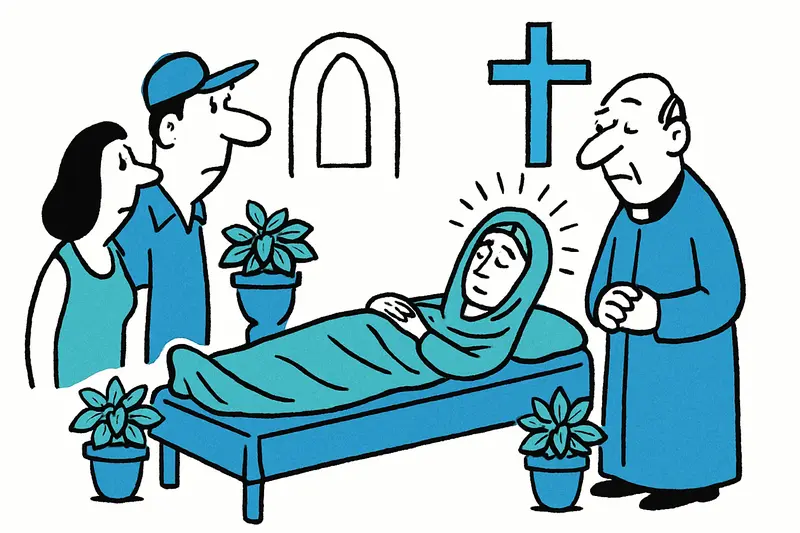
On the eve, Marian figures are often placed on so-called lechos – simple resting places adorned with flowers and herbs. In churches like Sant Miquel in Campanet or in the cathedral this is visible: small islands of calm between tourist groups and everyday walkers. In La Seu a wooden statue from the 16th century is laid out; Mass there on the feast day usually begins around 10:30 a.m. Those who arrive early will find peace; later entrants often encounter choir rehearsals or the warm glow of candlelight in the evening.
Open to visitors: The reclining Mary in La Seu is often on display until August 22. Opening hours (as of 2025): Monday–Friday 10:00–17:00, Saturdays 10:00–13:30 and 18:30–20:00, Sundays 9:30–13:00 and 18:30–20:00. Tip: just before closing the voices are often full of memories – half an hour can sometimes be enough to understand something that no guidebook explains.
More background: exhibitions and museum tours
Those who want not only atmosphere but also facts will find a photo exhibition about the island's lechos at the Arca (Carrer de Can Oliva, 10). The Museu de Mallorca offers special tours with objects and stories related to the feast day. Such places provide context: Why is this particular herb placed there? Which craftsmen carved the figures? Answers that softly resonate in the church space. For readers interested in other island celebrations see Diada de Mallorca 2025: A Stroll Through History, Art and Warm Ensaimadas.
Folk festivities: Cossiers, dances and village squares
In the evening the mood in many places turns cheerful. In Montuïri, for example, the Cossiers parade through the streets in their colourful costumes and with clattering footwork – a spectacle that often begins around 6:30 p.m. The contrast is beautiful and sometimes playful: reverent in the morning, exuberant in the evening. For visitors it is a small promise of Mallorca: you can be devout and joyful at the same time. For more on weekend village fêtes and harbor markets see Autumn Festivals in Mallorca: Markets, Sea and a Touch of Fire.
What locals do (and what travelers should bring)
Many families prepare small pots of herbs – basil, rosemary or sage – and bring them to the church. The herbs are meant to carry a blessing and smell especially soothing on hot days. A simple tip: bring a small potted plant or buy one locally. It is an unspectacular but lovely way to take part. And when the sun sets: stay a little longer, listen, let yourself be invited – sometimes it is the conversation with an older woman on the church bench that explains the day.
Whether you are devout or follow the traditions out of curiosity: the Assumption of Mary on Mallorca is a day when history, music and community come together. It is an opportunity to see the island differently – not just as a postcard motif, but as a place where smells, voices and old customs stand side by side. Pack a small potted herb, stand in the nave and take a deep breath. It is worth it.
Frequently asked questions
What happens on the Assumption of Mary in Mallorca?
Can visitors attend Assumption of Mary celebrations in Mallorca?
What should I bring if I go to Assumption of Mary events in Mallorca?
What is the best time to visit La Seu for the Assumption of Mary in Mallorca?
What can I see at La Seu in Palma for Assumption of Mary?
Are there special exhibitions about Assumption of Mary in Mallorca?
What is the Cossiers dance in Montuïri on Assumption of Mary?
Why are herbs like basil and rosemary used on Assumption of Mary in Mallorca?
Similar News

Between Welcome Banner and Demonstration: Camp de Mar Makes a Statement — Is It Enough?
A banner at the entrance to Camp de Mar declares: "Tourists are welcome here." The gesture coincides with a large demons...

Major fires near Madrid and Avila: A reality check for Mallorca
More than 60,000 people are affected, a state of emergency has been declared. What do the major fires around Madrid tell...

How far can protest against tourism go? A reality check from Mallorca
A guide, arrests and antisemitic graffiti — how does the island protect freedom of expression without tipping into viole...
Priscilla Presley as Guest of Honor: Glamour Evening at the Hilton Mallorca Galatzó
Priscilla Presley, now 81, is expected as guest of honor at the 'Remus Lifestyle Night' at the Hilton Mallorca Galatzó. ...

“Everything here is full of Germans” – Between Laughter and Frustration: A Reality Check at Playa de Palma
A Spanish comedian turns a failed trip to Playa de Palma into an ironic video. What lies behind the joke: overcrowded ho...
More to explore
Discover more interesting content

Boat Tour with BBQ along Es Trenc Beach

Private transfer from Mallorca Airport (PMI) to Pollensa
