
Attack on Plaza Quadrado: Why is an evening walk suddenly life-threatening for students?
Two 18-year-old students were attacked on January 9 at Plaza Quadrado. One victim suffered a stab behind the eye and lost their eyesight. We ask: How safe are Palma's quiet corners — and what needs to happen immediately?
Attack on Plaza Quadrado: Why is an evening walk suddenly life-threatening for students?
Key question: How could it happen in an otherwise quiet corner of the old town that a young person lost their eyesight from a stab behind the eye — and what lessons does Palma draw from this?
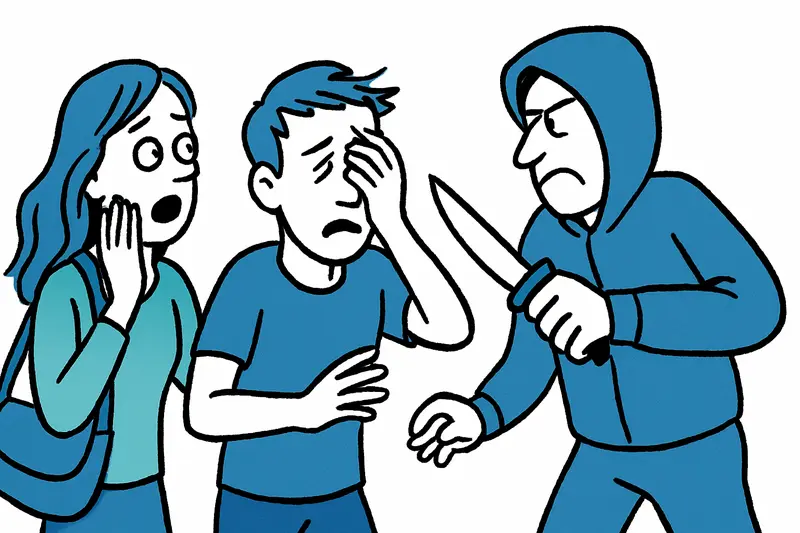
On January 9, two 18-year-old students living on the island were attacked on Plaza Quadrado in Palma. Four men dressed in black approached them from behind, they were beaten and robbed. One victim was stabbed behind the eyebrow so severely that he lost his eyesight. The act occurred on a Friday evening shortly after the young men had left a bar. According to people close to the victims, the attackers were said to be Spanish nationals.
This is not just a cruel isolated act; it strikes in a neighborhood that has changed in recent years. Plaza Quadrado is regarded as a quiet island in the old town, played around by trees and bushes — a square where you would still want to take a peaceful evening walk. It is precisely this discrepancy between expected safety and sudden violence that makes the case disturbing.
Critical analysis
First: The perpetrators apparently were able to strike from ambush, use escape routes and disappear, a pattern seen in the Assault at Palma Station: Why Visibility Alone Doesn't Protect. Second: The robbery aimed at quick material gain; the escalation to serious bodily harm raises the question of how common knives have become as everyday weapons in such robberies. This concern is mirrored by cases like the Arrest after knife attack in Pere Garau: How safe is Palma's neighborhood?. Third: The victims are young students — people who walk at night because they do not own a car or cannot afford a taxi. This very group is often vulnerable because they are out late and can be alone.
The security debate in Palma focuses primarily on tourist hotspots and loud party nights, as in the Nighttime Attack on the Paseo Marítimo: How Safe Is Palma’s Party Mile Really?. Such violence in supposedly quiet residential and student areas brings a blind spot into the spotlight: prevention measures must not orient only towards the main tourist axes.
What is missing in the public discourse
There is too little discussion about the nighttime safety of residents and students. Often the focus is on highlights — spectacular cases on the beach, police crime statistics, controls in tourist zones. Rarely discussed are: safe walking routes between bars and dormitories, practical protection for students, regular analysis of escape routes in the old town or joint safety concepts by universities and the city administration. It is also seldom asked how psychological aftercare for victims is organized or how anonymized perpetrator profiles could help sharpen prevention strategies.
Everyday scene — what Palma feels like
Evenings at Plaza Quadrado: lanterns cast warm light on the cobbled paths, a café closes, somewhere a bag rustles in the wind among the bushes, and music drifts from a nearby bar. In such places you meet students with backpacks, elderly people on benches, dogs pulling on leashes. It is precisely this intimate, almost Parisian atmosphere that makes the square lovable — and vulnerable. People do not think of assaults here; they think of getting home, phone calls, the next lecture. That is the reality that security experts must not ignore.
Concrete approaches
1) Review spatial design: Better lighting, trimmed bushes on sight lines and clear access paths reduce hiding places. A walk through the old town with experts in CPTED (Crime Prevention Through Environmental Design) could quickly show effective changes.
2) Visible and targeted presence: In the short term more foot patrols by the municipal police and the Policía Nacional in the evening hours, especially on weekends and near bars and student residences; effective interventions have included operations resulting in the Arrests after threats at the city beach: Why an evening stroll must become safer again.
3) University protection programs: The universities on the island should provide safe route lists, emergency numbers and escort offers for late returns and actively inform students.
4) Prevention work against knife violence: Awareness campaigns in bars, among taxi drivers, hostels and young people about risks and immediate measures in conflicts.
5) Social approaches: Night buses or low-cost ride-sharing options for students can reduce isolation. Neighborhood networks and buzzer systems for quick help also help.
Conclusion
The attack on Plaza Quadrado is a wake-up call. Not only party scene hotspots need attention, but also the quiet corners where people live and study. Palma has the resources: urban planning, police, universities and neighborhoods must now work together. In the short term it's about increased presence and lighting. In the medium term it's about prevention, education and safe routes for those who walk at night. And in the long term, safety means that a place like Plaza Quadrado becomes again a place where one can hear the chestnut leaves rustle without fear.
If you live in the area: consider accompaniment options for late journeys home, report unsafe spots to the Ayuntamiento and do not hesitate to give the police tips — even small details can help prevent crimes.
Frequently asked questions
Is it safe to take an evening walk in Palma’s old town?
Why are students in Mallorca sometimes more exposed to late-night attacks?
What should you do if you feel unsafe walking home in Palma at night?
Are quiet squares in Palma really safe at night?
What can Palma do to make night-time routes safer for residents?
What is the best way to avoid robbery risks in Palma after leaving a bar?
Why is Plaza Quadrado in Palma being discussed as a safety concern?
How can Mallorca universities help students stay safer at night?
Similar News
Magaluf: Watchtower Alarm – Lifeguards Pull Unconscious Beachgoer from the Water
After a drama in the late afternoon, two lifeguards at Magaluf beach rescued an unconscious 44-year-old man. He was stab...
Turquoise in the City: How dangerous is the color play of the Sa Riera?
The Sa Riera in Palma suddenly turned turquoise — a pretty motif, but behind the effect lies a discharge of saline waste...

Jeckliner at Sunnesching: Cologne spirit sets sail from Palma
In September 2027 the Mein Schiff 2 briefly becomes a floating carnival stage: four days with Cologne bands, comedy and ...
Finally Home: Mike and Leyla Heiter Buy Villa with Sea View in Mallorca
The reality TV couple Mike and Leyla Heiter have bought a house in Mallorca with a roof terrace and sea view. An Instagr...
Arrest after series in Palma: Who protects apartments from repeat offenders?
The National Police arrested a man in Palma who investigators say may have broken into several apartments. In one incide...
More to explore
Discover more interesting content

Can Cap de Bou

Townhouse Lleo 72
