
On the Avenidas Against the ATM: Why the Accident in Palma Is More Than Just Property Damage
On the Avenidas Against the ATM: Why the Accident in Palma Is More Than Just Property Damage
In central Palma a driver lost control and crashed into a shopfront housing an ATM. Minor injuries but major questions about traffic safety.
On the Avenidas Against the ATM: Why the Accident in Palma Is More Than Just Property Damage
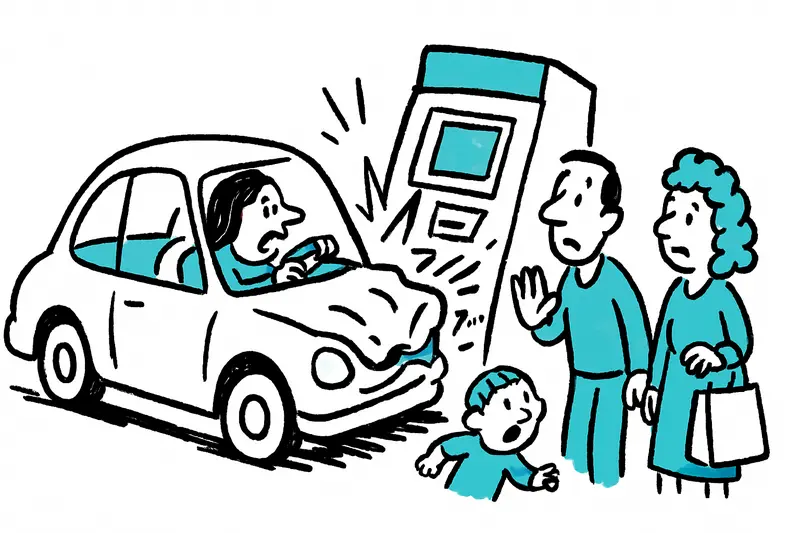
Late in the evening, at around 10:35 p.m., a car on the inner-city ring road, the Avenidas in Palma, lost control. The driver was traveling in the middle lane, veered off to the right and smashed into a shopfront with an ATM. She suffered minor injuries; pedestrians on the sidewalk were unharmed. The local police investigative unit has taken over the inquiries; the bank suffered significant property damage, as in the Serious accident on Calle Aragón: A loud bang, many questions.
Key question
How could a vehicle reach the sidewalk unimpeded while people were present, and which protective measures are missing in our city?
Critical analysis
At first glance it is clear what happened: loss of control, drift, impact. What is not yet clear — and where the debate begins — are the causes. Was it a technical defect of the vehicle, a health problem of the driver, distraction, inappropriate speed, poor visibility or alcohol? None of these elements can currently be ruled out, as the investigation is ongoing. The fact that a car reached so far onto the pavement also raises questions about urban design: wide lanes, missing barriers and low-mounted shop windows make city centers vulnerable to such accidents.
Moreover: when ATMs are located directly on sidewalks, they are exposed. A heavy collision can cause not only physical damage but also endanger the safety of customers who are withdrawing cash or waiting in front of the machine. The incident shows that a single driving error in the evening can have fatal consequences — even though in this case worse was prevented.
What is missing in the public debate
The discussion often focuses on single factors — blame or misfortune. We rarely talk about urban protection concepts or the responsibility of private operators (banks, shop owners) toward the public space. There is also a lack of an easily accessible overview of the frequency and patterns of such accidents in Palma: where do collisions with building facades occur most often? At what time of day? With which types of vehicles? Without this data, prevention remains piecemeal; incidents like Seriously injured on Palma's Paseo Marítimo: An accident, many questions show why comprehensive data is needed.
A everyday scene on the Avenidas
Anyone who walks the Avenidas in the evening knows the mixed picture: bus lights, delivery vans, two- and three-wheeled scooters, tourist groups and locals heading home. Night owls sit in front of cafés, taxi drivers honk, and at some corners people wait at the ATM — often with shopping bags or prams. In this dense, noisy scene a brief loss of control is enough, and the street that is supposed to offer space for everyone turns into a danger zone, as seen in cases such as After accident with Jaume Anglada: How safe is Avenida Joan Miró?.
Concrete solutions
There are measures that can work quickly and relatively inexpensively: fixed bollards in front of ATM locations and along particularly exposed shop windows would prevent a vehicle from entering pedestrian areas directly. Higher, robust plinths for ATMs or recessed installations create an additional line of protection. In terms of traffic management: clear, visible markings, reduced speed limits on inner-city ring roads and targeted enforcement during peak times help. Technically: regular inspections of road damages, curbs and kerb heights reduce the risk of slipping off the road.
Private industry and the administration should work together: banks could be required to secure high-risk locations against impacts. The city council can test pilot zones with physical protection measures before extending them to other sections. Police investigations should be systematically linked to a data collection so patterns become visible and measures can be planned in a targeted way, informed by cases such as Fatal Accident on the Paseo Marítimo: Trial Raises Questions About Safety and Control.
Practical advice for residents and passers-by
While long-term solutions are being developed, simple behavioral rules help: keep a distance from trafficked edges, especially near large shop windows; avoid lingering directly in front of ATMs if the area is very open; use side streets when there are large crowds. These tips do not replace urban planning measures but can reduce the short-term risk for pedestrians.
Conclusion
The accident on the Avenidas was a warning. It ended with minor consequences this time, but next time it could be worse. Instead of only debating blame or bad luck, we should address inner-city traffic safety technically and organizationally: protective bollards, secure ATM locations, adjusted speeds and better data foundations. Palma is lively in the evenings — we must ensure that this life remains safe.
Frequently asked questions
When is the best time to visit Mallorca for warm beach weather?
Do I need a car to explore Mallorca or can I use public transport?
Are Mallorca beaches safe for swimming, and what should I watch for?
What should I pack for a Mallorca trip in summer?
What are some great day trips from Palma to experience authentic Mallorca?
Is Mallorca good for family trips or solo travelers?
What water activities are popular in Mallorca?
How does Mallorca's weather vary by season, and what should I expect?
Similar News
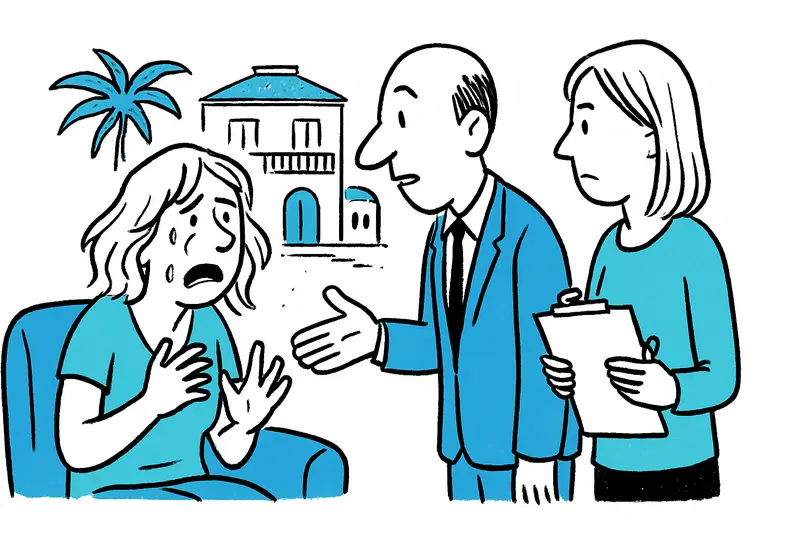
Reality, Trauma and Responsibility: Danni Büchner in a Villa on Rhodes – How Far Can Television Go?
Danni Büchner, who lives on Mallorca, is taking part in a new TV format that brings nine women together for twelve days ...
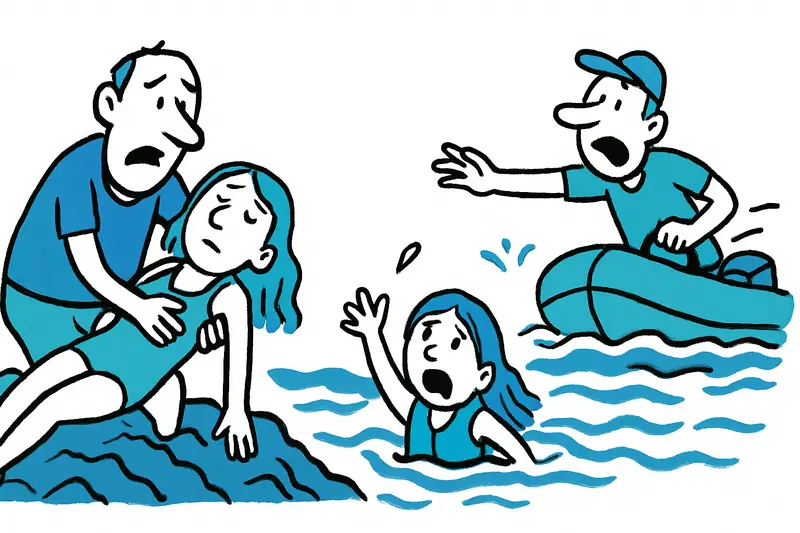
A Rescue That Kills: What the Death of a Holidaymaker on Menorca Reveals
While trying to save her granddaughter, a 69-year-old British woman lost her life on Menorca's north coast. A critical l...
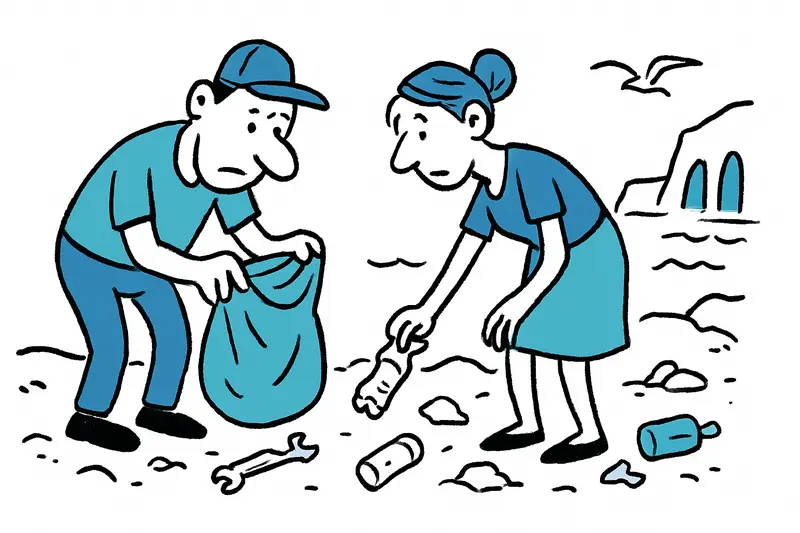
Plastic, Bottles, Tools: Why Portals Vells Is No Longer Just a Postcard
The popular three-finger bay at Portals Vells reveals a different picture beneath its sparkling surface: systematic litt...
Alarm on the Coast: What to Do When the "Asian Alga" Appears off Mallorca?
The invasive Rugulopteryx is spreading across the western Mediterranean. Why early detection and local measures are now ...

Elke Sommer and Mallorca: A Small, Lasting Film Glimpse
Elke Sommer has died at the age of 85. A look at her connection to the island: filming locations, a controversial bikini...
More to explore
Discover more interesting content

Can Cap de Bou

Townhouse Lleo 72
