
Plastic, Bottles, Tools: Why Portals Vells Is No Longer Just a Postcard
Plastic, Bottles, Tools: Why Portals Vells Is No Longer Just a Postcard
The popular three-finger bay at Portals Vells reveals a different picture beneath its sparkling surface: systematic littering by boats and beachgoers. Who cleans it up — and how do we stop this permanently?
Plastic, Bottles, Tools: Why Portals Vells Is No Longer Just a Postcard
Main question: Who cleans up — and who makes sure it never reaches that point?
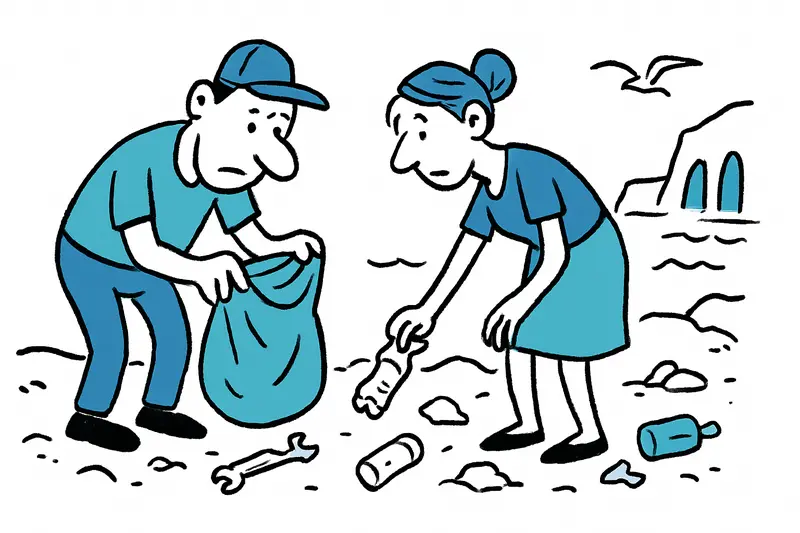
On a sunny morning at the car park above the bay you can hear the clatter of plates from the small restaurant, the cries of gulls and the gentle roar of the surf in the rock cave with three portals. Tourists tuck sunscreen into their bags, families trudge down the narrow paths. At first glance: postcard idyll. A few meters below the surface, however, a different picture emerges: plastic bags, beverage bottles, cans, even tools and disposable e-cigarettes lie on the seabed.
This is not a one-off discovery on a summer day. Local divers report that they regularly find litter when collecting debris, a reality documented in Who cleans up the sea? Almost eight tons of waste off the Balearic Islands — and the uncomfortable answers. They pull plastic lines out of rock crevices, recover fittings left by moored boats, and are astonished by how much household and recreational waste accumulates in coves like this. The clear water makes the result all the more disturbing: what is barely visible from above sits directly under the fins.
Who is responsible? Part of the rubbish comes from bathers who leave things carelessly during picnics. Much of it comes from boats: rusty anchors, improvised moorings, empty bottles and plastic bags that get blown into the water by a light wind. There are cases where items from work environments — wrenches, parts of toolboxes — appear on the seabed. Apparently containers and small items from leisure activities are also brought into the bay and not disposed of properly.
Critical is that the problem converges at several points: a lack of controls at sea, insufficient disposal options at car parks and sunbathing areas, and a devaluation of the problem in public perception — many still see the sea as a limitless dumping ground. Visible accountability is missing: who removes the rubbish, who pays for recovery, and who is sanctioned?
In public discourse, often only the symptoms appear: images of collected rubbish after a voluntary action. Important questions, however, are rarely asked. There is hardly any discussion about how seasonal boat movements and temporary anchoring zones could be better regulated, despite ongoing removals such as 6.5 Tons of Waste in July: Why Mallorca's Coasts Keep Struggling. It is unclear whether marinas and charter companies provide adequate instructions on waste disposal or whether the municipality of Calvià provides enough infrastructure for disposal at hotspots like Portals Vells.
An everyday scene: a couple parks on the dusty lot above the bay in the late afternoon. They hear car horns on the carretera, the scent of grilled fish from the restaurant. When they look, they see a plastic bag caught in a rock crevice. They pick it up. Such small gestures help, but they are no substitute for systemic measures. Most of the waste ends up somewhere else again if the source is not addressed.
Concrete solutions: First, there must be more and better visible mooring buoys so boats do not anchor wildy and anchors do not destroy the Posidonia seabed or spread clothing and waste in coves. Second: fixed disposal points at the car parks with clear signage in several languages and more frequent emptying during high season. Third, the municipality should coordinate underwater inspections and set up a register of problem spots based on data from volunteer divers and professional teams.
Furthermore, clearer rules are needed for charter operators and boat rentals: mandatory information on waste disposal, small disposal bags on board and a return system for bulky waste. Increased checks by maritime enforcement could make illegal dumping more difficult; fines must actually be imposed to be a deterrent. And: funding for local diving groups would stabilize regular clean-up actions instead of relegating them to sporadic volunteerism.
What is often missing in debates is a focus on prevention rather than just cleanup. Educational work at places like the Portals Vells car park, information stations at parking machines and targeted notices in holiday rentals can change behavior. Even a simple measure like separate bags for household waste on boat charters could prevent a lot of rubbish from ever reaching the water.
The bay has been established as a destination for decades. That means responsibility — from visitors, from boat operators, but above all from municipalities and service providers. Volunteer divers do great work; they should not have to patch over gaps left by the public authorities; local clean-up efforts are highlighted by events like Volunteers Clean Cova de Cala Petita in Portocristo. Without binding structures, cleaning up remains a drop in the ocean.
Conclusion: Portals Vells is more than a postcard. Beneath the surface lies a problem whose solution requires practical rules, better infrastructure and real enforcement. Those who love the bay can collect rubbish today. Those who want to protect it permanently must ensure that the rubbish never reaches the sea in the first place. A clear call to Calvià, charter companies and visitors: stop patching, start preventing sustainably.
Frequently asked questions
When is the best time to visit Mallorca for pleasant weather and lighter crowds?
Can you swim in Mallorca year-round, and what should you know about the sea?
What are the must-see experiences in Palma de Mallorca for a first visit?
Is a day trip to Sóller worth it from Palma, and how do you get there?
What should I pack for a Mallorca trip across seasons?
What activities are good for families visiting Mallorca?
What are the best ways to get around Mallorca without a car?
Are Mallorca's beaches safe for swimming, and what should I check before entering the water?
Similar News

Reality, Trauma and Responsibility: Danni Büchner in a Villa on Rhodes – How Far Can Television Go?
Danni Büchner, who lives on Mallorca, is taking part in a new TV format that brings nine women together for twelve days ...
A Rescue That Kills: What the Death of a Holidaymaker on Menorca Reveals
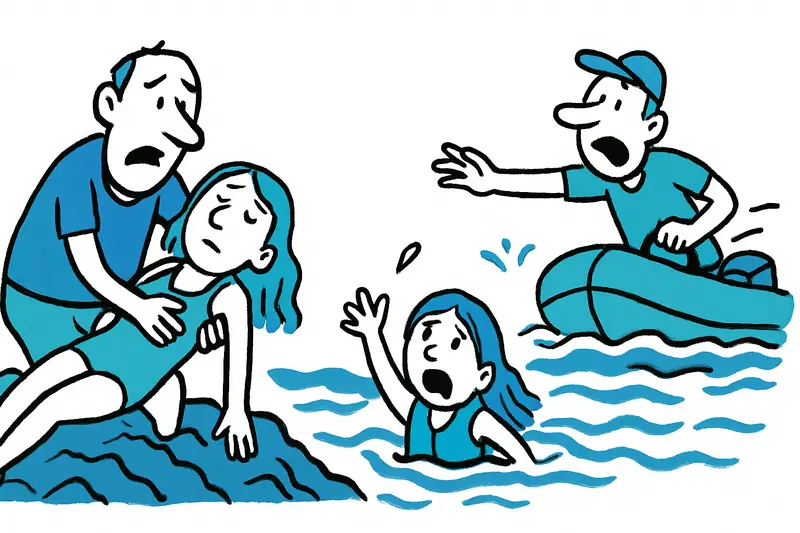
While trying to save her granddaughter, a 69-year-old British woman lost her life on Menorca's north coast. A critical l...

On the Avenidas Against the ATM: Why the Accident in Palma Is More Than Just Property Damage
In central Palma a driver lost control and crashed into a shopfront housing an ATM. Minor injuries but major questions a...
Alarm on the Coast: What to Do When the "Asian Alga" Appears off Mallorca?
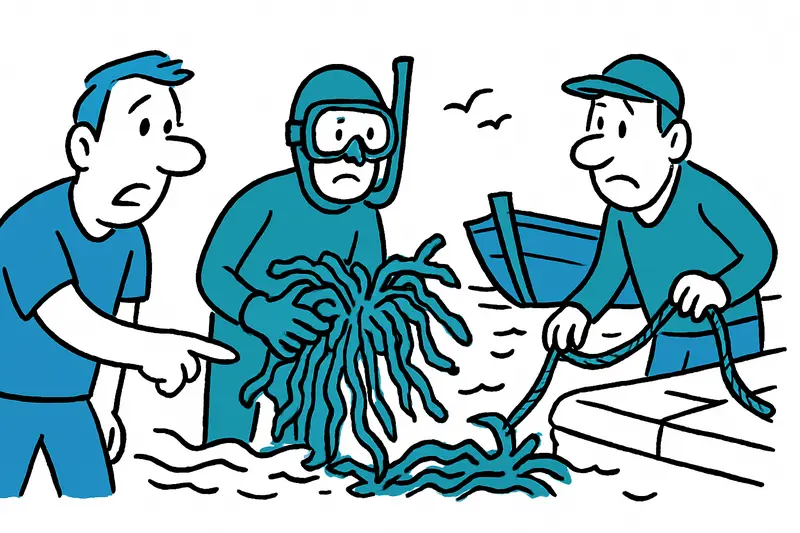
The invasive Rugulopteryx is spreading across the western Mediterranean. Why early detection and local measures are now ...

Elke Sommer and Mallorca: A Small, Lasting Film Glimpse
Elke Sommer has died at the age of 85. A look at her connection to the island: filming locations, a controversial bikini...
More to explore
Discover more interesting content

Can Cap de Bou

Townhouse Lleo 72
