
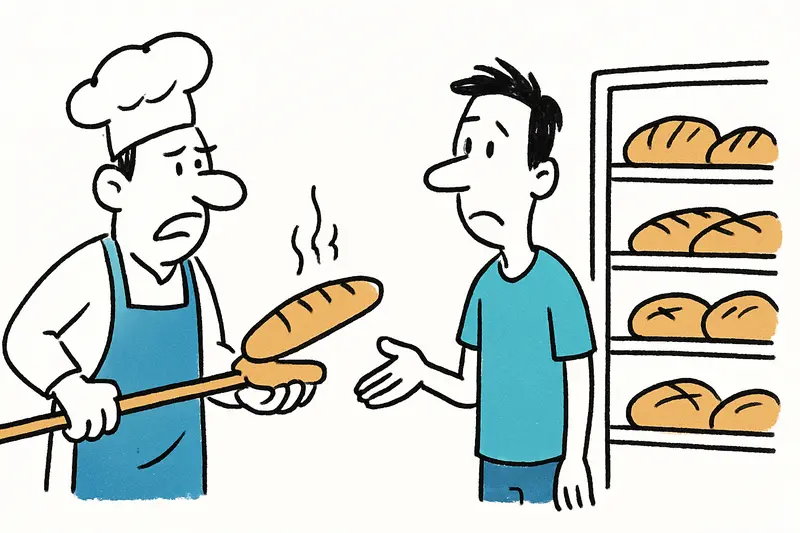
When No One Gets Up at Four: Balearic Bakeries Seek New Recruits
When No One Gets Up at Four: Balearic Bakeries Seek New Recruits
Many bakeries in the Balearic Islands can no longer find apprentices. The government has launched the 'Pa d'aquí' platform, but is that enough? A reality check with practical everyday ideas.
When No One Gets Up at Four Anymore: Balearic Bakeries Seek New Recruits
Main question: Is a job board enough to save the traditional baker's craft?
Early in the morning, before Palma's trams awake, you can sometimes smell fresh bread. For many bakers this is the daily routine — getting up in the middle of the night, baking in stifling heat in summer, long hours on your feet and little staff. That's why numerous forns and small artisanal businesses in the Balearic Islands have increasingly struggled in recent years to find apprentices and skilled workers. The Balearic government has launched the 'Pa d'aquí' platform (padaqui.es/ofertes): bakeries can post vacancies there, and the listings are supposed to be passed on to vocational schools. That's a start — but not a cure.
Critical analysis: A digital job board addresses the symptom, not the causes. Young people combine work with studies, seek regular hours and shy away from physically demanding, multiple shifts. The early shift is often simply impossible for parents, commuters and students. In addition, artisanal baking is barely visible in the curricula of many schools; the image of the baker's profession as 'dirty and early' stubbornly persists. A platform that aggregates vacancies increases visibility — but it doesn't make the job more attractive.
What is missing from the public debate: honest figures on training positions, pay and dropout rates in baker apprenticeships; clear comparisons with similar trades; statements on whether the job board also promotes financial incentives or partnerships with training employers. There's also a lack of attention to the diversity of workplaces: small village bakeries, tourist-oriented beach shops and large artisanal bakeries have completely different requirements. One central point remains unmentioned: how are night-work allowances regulated? Without clear answers, many positions remain empty.
Everyday scene from Mallorca: It is 3:30 a.m., the alleys around Plaça Major are still dark. A young baker is just finishing a shift while the first delivery vans for cafés set off. On her way to work she hears the sea in the distance, sees recycling bins waiting for collection, and thinks of the apprenticeship she took two years ago — not for romantic reasons, but because her family covered the training costs. Personal stories like these show: craft needs more than a job posting; it needs prospects and predictability.
Concrete proposals beyond the job board: First, training bonuses for businesses that retain apprentices, combined with increased night shift allowances. Second, flexible curricula at vocational schools that allow modular teaching for part-time shifts — enabling young parents or students to participate. Third, a mobility and housing support program for apprentices in rural areas so that early shifts are not punished by long commutes. Fourth, a mentoring program in which experienced bakers take on apprentices; increase visibility with open bakery days in towns from Alcúdia to Santanyí.
Technology and image work should go hand in hand: small businesses could reduce physical strain through short-term funded purchases (e.g., dough mixers for heavy tasks). At the same time, the Balearic government together with the chambers should launch an image campaign that shows how varied the profession is — not just early starts, but product development, marketing of regional varieties and tourism offers like baking courses for visitors.
Conclusion: The 'Pa d'aquí' platform is a useful tool, a visible lever — but by itself it will not save the bakery craft. Combined measures are needed: financial incentives, flexible training, housing and mobility assistance, and concrete steps to reduce physical strain. If we want artisanal forns in our villages tomorrow, politics, schools and businesses must bring more than job listings together. Otherwise the ovens will stay cold in the early morning.
Frequently asked questions
Why are bakeries in Mallorca struggling to find apprentices?
What is the Pa d'aquí platform for bakeries in the Balearic Islands?
Is bakery work in Mallorca a good job for students or parents?
When do bakers in Mallorca usually start work?
Why does artisan baking need more than just a job board in Mallorca?
What support could help bakery apprentices in rural Mallorca?
Are bakeries in Palma and Mallorca villages facing the same staffing problem?
What could make the baker’s profession more attractive in Mallorca?
Similar News
Head-first dive into the shallow part of Cala Fonoll: An accident and the unresolved question of responsibility
A young tourist dove into Cala Fonoll and was seriously injured. Key question: Why are clear warning signs missing at da...
Mistaken identity with fatal consequences: Brutal assault in S'Aranjassa — what's missing in the follow-up?
At S'Aranjassa a visitor to a finca was tied up, beaten and thrown out of a van. Three men have been arrested, including...
High heel slips, car accelerates: accident on Camí de Son Hugo
A woman lost a high-heeled shoe on the forecourt of the sports facility at Camí de Son Hugo. The car accelerated, mounte...
Phone Scam: How Two Hotel Employees at Playa de Palma Lost Thousands of Euros
One morning in September, two reception employees at Playa de Palma were pressured by alleged alarm-company staff — in t...
When the Wallet Becomes a Danger: Attack in Peguera and Lessons for Mallorca
In Peguera, two women are said to have stolen the wallet from a 75-year-old German couple. When the victim intervened, t...
More to explore
Discover more interesting content

Can Cap de Bou

Townhouse Lleo 72
