
7,100 Homes: Big Number, Many Questions – What Is Really Slowing the Balearic Plan
The Balearic government announces around 7,100 affordable homes. Between hopes in La Soledat and construction reality lie legal hurdles, land prices and long timelines.
7,100 Homes: Big Number, Many Questions – What Is Really Slowing the Balearic Plan
In Palma, the announcement in almost springlike weather felt like a small glimmer of hope: around 7,100 new homes for residents of the Balearic Islands. On the Plaça de Santa Catalina passersby murmured in agreement, a shop assistant at the corner bakery nodded – but the conversations sounded sceptical. A promise is easily made; on the construction site it is decided whether it becomes tangible.
What lies behind the numbers?
The government expects about 5,200 units through an emergency plan against housing shortages and an additional around 1,900 homes primarily to be built in Palma, as outlined in Palma plans 3,600 homes — Opportunities, risks and the big question of infrastructure. On paper this looks concrete. Reality, however, has its own pace: finding plots, environmental assessments, building permits and connecting to water, electricity and roads – these are not weekend tasks.
The street view: reasons for scepticism
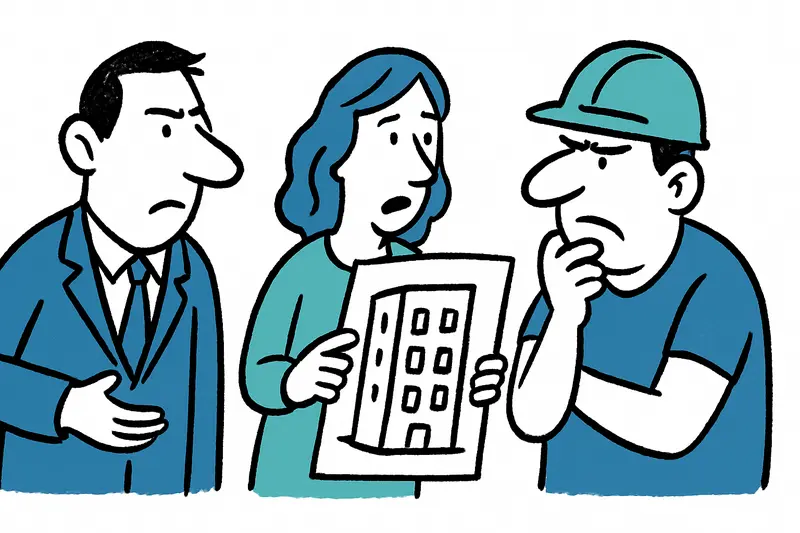
In front of the Mercat de l'Olivar I met builders and tradespeople. Their tone was sober: high land prices in desirable locations, complicated approval procedures and frequent uncertainty about the legal framework. A colleague summed it up dryly: 'Building affordably is easier said than done.' On the islands, additional costs arise from transport, more expensive building materials and the challenge of insular logistics.
Who is hit by a slow process?
The waiting list is long: young families, caregivers, supermarket cashiers, restaurant staff. Neighbourhoods like Sa Gerreria or La Soledat feel every rent increase, every utility bill. Delays hit those who urgently need affordable housing most – not the planning levels.
What is missing concretely?
Three problem areas stand out: reliable schedules, transparent land valuations and faster approval processes. Added to this are hidden costs – contamination on former industrial sites, earthworks on stony terrain and connection costs for infrastructure. Even if subsidies flow — as in the announced immediate program detailed in More social housing from 2026: What the Balearic Islands are really planning — and what's missing — such items can quickly drive up project costs.
What the public debate overlooks
There is little discussion about alternatives that could act faster: adaptive reuse of vacant buildings, infill near transport hubs, modular construction methods or municipal land banking that reserves plots for social housing. Also rarely on the agenda: clear rules on converting holiday flats so that less housing is permanently lost to tourism, or converting former shops as reported in Manacor close by: Ten capped apartments — a start with many questions.
Concrete proposals for faster impact
A few pragmatic steps could speed things up: an accelerated approval track for projects with a public housing share, standardized land valuations, a central contact point for authority issues and funding packages that cushion not only construction but also earthworks and site servicing costs. On the islands, logistics should also be considered – bulk ordering of materials, regionally organized prefabrication and incentives for more material-efficient building methods, and smaller initiatives like the recent approval of 82 apartments discussed in Palma builds 82 apartments — a drop in the bucket, many questions illustrate the limits of piecemeal measures.
Looking ahead
The 7,100 are not an empty promise – they are a start. But the time between announcement and moving in is often long. Politics can provide numbers, but success is measured at the construction sites, in the sound of jackhammers and in everyday life in neighbourhoods like La Soledat. If administration, construction companies and communities work openly, quickly and practically together, the plan can bring real relief. Until then there is much to do – and even more to listen: at the market, in the town hall corridor and with the experienced neighbour tradesperson.
Frequently asked questions
Why is it so hard to build affordable housing in Mallorca?
How long does it usually take to turn a housing promise into new homes in Mallorca?
Who is most affected by Mallorca's housing delays?
What are the main costs that make housing more expensive on Mallorca?
Is there enough land available for new homes in Palma?
Could vacant buildings help solve Mallorca's housing shortage faster?
Why are neighbourhoods like Sa Gerreria and La Soledat often mentioned in Mallorca's housing debate?
What would help new housing projects move faster in Mallorca?
Similar News
Why the Striped Breams in Cala Pí Should Be a Wake-up Call
Once again bathers in Cala Pí were surrounded while swimming by small, nippy fish — some wounds bled. Time for clear rul...

Daily from New York: How Palma's Air Traffic Is Growing — and What Must Change
United will increase the Newark–Palma service to daily flights in 2027 (Boeing, 231 seats). Strong tourist numbers clash...

When Love Ends in Shards: Destruction in Son Vida and the Questions That Remain
In Son Vida a relationship dispute escalated: a woman destroyed furniture in a luxury villa, later pressed a panic butto...
Who Bears the Burden? Mallorca Between Tenant Protection and Landlord Fears
Madrid's new housing decrees strengthen tenant rights — but on Mallorca concern is growing: will the law drive small lan...
On the Edge: What Mallorca's Airport Loses If a Major Low-Cost Carrier Falters
The company that operates numerous connections from Palma to France and domestically is negotiating with creditors to re...
More to explore
Discover more interesting content

Can Cap de Bou

Townhouse Lleo 72
