
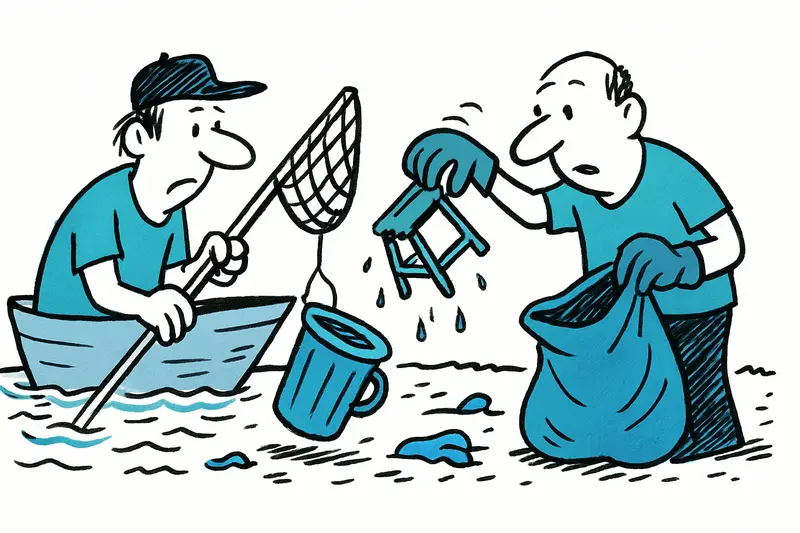
More than 6.7 tonnes of waste from the sea: Why the cleanup on Mallorca is only the beginning
In August, teams off the Balearic Islands removed more than <strong>6.7 tonnes</strong> of waste from the sea, almost three tonnes around Mallorca alone. The figure is alarming — and raises questions about causes, costs and long-term solutions.
More than 6.7 tonnes of waste from the sea: A warning sign for the Balearics
In August, response teams and volunteers off the coasts of the Balearic Islands recovered more than 6.7 tonnes of debris from the water – nearly three tonnes came from the waters around Mallorca alone. The images are painfully familiar: plastic, driftwood, but also batteries, furniture and even a pram. This is not just a single headline, but an indicator of a deeper problem, as noted in Almost 6.5 Tons of Waste in July: Why Mallorca's Coasts Keep Struggling, and comparable to earlier summer recoveries such as Almost 6.5 Tons of Trash in July: The Summer Clean-Up off Mallorca's Coasts.
What exactly was recovered?
The finds range from the usual plastic mess to surprising “treasures” nobody misses: batteries, upholstered furniture, metal parts, large pieces of wood and bulky household items. Standing in Portixol in the morning or on a wind‑lashed cove, you hear the clatter of equipment, the cries of seagulls and smell the salty air — and yet you can see how much lies hidden beneath the surface. One volunteer put it half‑ironically: “We’re hunting for treasures — only the finds have no value.”
Who collects it – and how does the operation run?
The coordinated effort continues until the end of September, a period covered in Who cleans up the sea? Almost eight tons of waste off the Balearic Islands — and the uncomfortable answers. Small boats, diver teams and beach crews target spots that bring the most debris ashore after storms or strong winds: coastal stretches near Palma, but also quieter places like Port de Pollença and Cala Millor. Authorities work together with volunteers, lifeguards and local fishermen. Early morning operations on glass‑calm water often yield the biggest haul; collected materials are separated where possible, recycled or disposed of properly.
Why the numbers mean more than weight alone
The quantity is worrying by itself – but it is the composition and origin that raise even bigger questions. Microplastics form when larger plastic items break down and enter the marine food chain. Batteries and electronic waste bring chemical risks, furniture and bulky items point to illegal dumping or poorly secured loads. A fisherman from Alcúdia summed it up: “After a storm the sea always washes something up. We’re used to it, but it must not become normal.”
The less visible causes
Public debate often focuses on tourist litter on beaches — that is important, but incomplete. Storm drains, unsecured construction sites, illegal household waste dumping, lost fishing gear and waste from pleasure boats all contribute significantly. Seasonal currents and winds also concentrate debris in certain bays. Less noticed are missing disposal points for bulky waste in marina areas and poor checks on transported loads.
Concrete levers for long‑term improvement
Cleanup actions are necessary, but cleaning alone is not enough. Mallorca needs targeted measures:
- Better collection and return systems for hazardous and special waste in ports and municipal centers so batteries and devices don’t end up in the sea.
- Regular, coordinated diving cleanups with sustainable funding instead of occasional operations.
- Stronger controls and clear sanctions against illegal dumping on land and from boats.
- Prevention: reducing single‑use items, information campaigns for tourism businesses and boat owners, and deposit or return systems for common polluting products.
- Technical measures like capture systems on large drainage channels that trap debris from storm runoff, and hotspot tracking to direct resources where they are most needed.
What anyone on site can do
Anyone who turns up in the morning with gloves and a bin bag helps immediately. Even more effective are long‑term steps: separate waste correctly, avoid single‑use products, and take used batteries and bulky waste to designated collection points. Municipalities can also organize local take‑back days for electronics or old furniture — one less item destined for the ocean.
Conclusion: No quick victory, but opportunities to change
The more than 6.7 tonnes are not a number you can sweep away. It is a reminder that clean beaches are the result of many small decisions — from industry and authorities to everyday behavior. It is frustrating and sobering to see similar finds year after year. Yet the many volunteers who show up early in the morning in Portixol or elsewhere are a sign of hope: collective action can prevent worse outcomes. Now the next step is needed: structural defenses, not just emergency cleanups.
Frequently asked questions
Why is so much waste being collected from the sea around Mallorca?
What kind of rubbish is usually found in cleanup operations off Mallorca?
When is the best time to clean up waste from Mallorca's coast?
Is beach litter in Mallorca only caused by tourists?
What can residents do to help reduce waste in Mallorca's sea?
Why are batteries and electronic waste in the sea around Mallorca a concern?
Which parts of Mallorca are most affected by sea debris after storms?
How are sea cleanups in Mallorca organised and who takes part?
Similar News
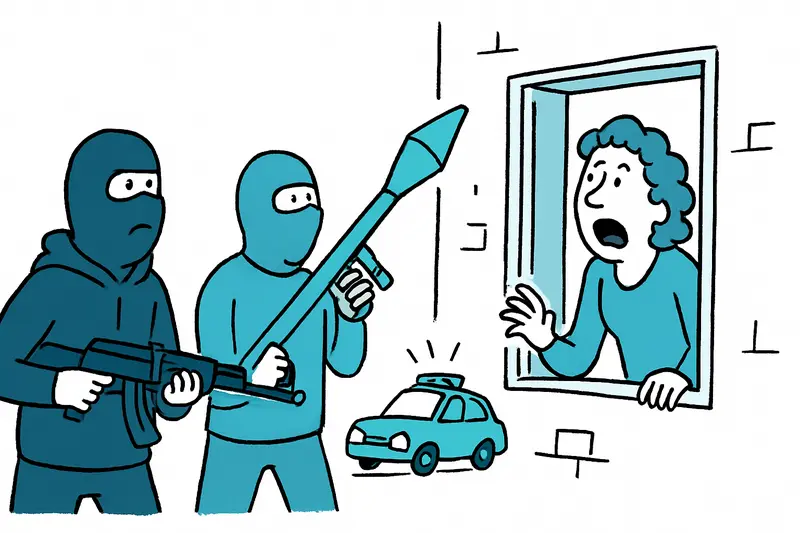
Masked Images, Real Panic: When Social Media Aesthetics Alarm Neighbors
Five German content creators filmed on a recently vacated detention site using deceptively realistic props. The result: ...
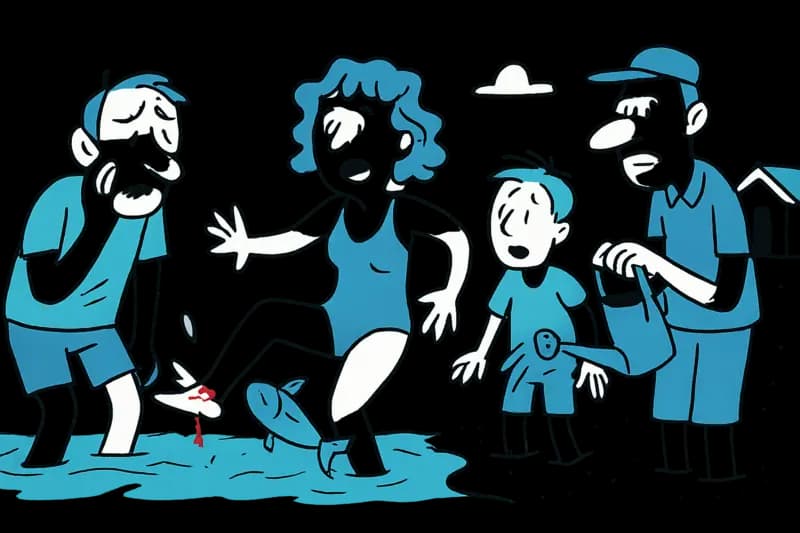
Why the Striped Breams in Cala Pí Should Be a Wake-up Call
Once again bathers in Cala Pí were surrounded while swimming by small, nippy fish — some wounds bled. Time for clear rul...

Daily from New York: How Palma's Air Traffic Is Growing — and What Must Change
United will increase the Newark–Palma service to daily flights in 2027 (Boeing, 231 seats). Strong tourist numbers clash...

When Love Ends in Shards: Destruction in Son Vida and the Questions That Remain
In Son Vida a relationship dispute escalated: a woman destroyed furniture in a luxury villa, later pressed a panic butto...

Who Bears the Burden? Mallorca Between Tenant Protection and Landlord Fears
Madrid's new housing decrees strengthen tenant rights — but on Mallorca concern is growing: will the law drive small lan...
More to explore
Discover more interesting content

Can Cap de Bou

Townhouse Lleo 72
