

When Ballermann Melodies Meet Children's Smiles — and Hate Erupts Online
When Ballermann Melodies Meet Children's Smiles — and Hate Erupts Online
Isa Glücklich turns party songs into children's songs; her clips receive millions of views. Still, waves of online aggression fall upon her. A critical status report from Palma.
When Ballermann Melodies Meet Children's Smiles — and Hate Erupts Online
On the Paseo Marítimo in Palma, early in the evening: parents push strollers, a familiar party tune drifts from a bar, a little boy claps along to the beat. Singer Isa Glücklich (36) takes exactly these melodies and transforms them into short, harmless children's songs that get millions of plays online and bring joy to families. Yet alongside this success a nasty counterworld emerges: open hate often flares up in the comment sections.
Key question
Why does the child-friendly adaptation of well-known party hits trigger such strong hostility online, even though these melodies have been part of the everyday soundscape in bars and on Mallorca for years?
First the facts: In recent years Isa Glücklich has established herself as a children's song performer, she says she plays hundreds of shows a year and has reached considerable audiences with her clips. She translates popular melodies, often heard at parties, into a form suitable for toddlers. For this she is celebrated by many parents and children — yet aggressive, hurtful comments appear under her videos.
Critical analysis: The anger is directed hardly at the music itself, but at a symbolic field. Party hits are considered part of an adult space; their reinterpretation in a children's context provokes questions of identity: who owns the culture of the Ballermann Between Ecstasy and Reality: More Than Beer and Schlager Music?? What is permissible when a cheerful chorus changes its target audience? Online this uncertainty is discharged into personal attacks, often anonymous, frequently uninhibited. Platforms multiply reach, but also coarseness.
What is missing in the public discourse: first, an objective separation between music source and usage context. Second, the voice of the affected parents and children who actually listen to the songs and enjoy them. Third, technical and legal clarity about how much protection artists can expect against targeted online hate, without immediately drawing legal boundaries.
Everyday observation from Mallorca: On a Saturday afternoon near Beerstreet Boys: When Ballermann Meets Schlager — a Loud Love Letter to the Playa, you hear the same melody repeatedly — from a family café, from a beach kiosk, from a nightclub. Children hum along, older visitors shake their heads, the music mixes with the sound of the waves and announcements. This coexistence is normal; nevertheless an upload to the internet shifts the interaction into an arena where moods can escalate.
Concrete solutions that can work in practice: Creators should set clear signals — for example a short intro 'for children' at the start of a clip — and moderate or delay comments selectively until a person reviews the first reactions. Platforms can provide better trained moderation teams for high-reach cases and fine-tune automated moderation for certain word choices.
Further steps: Venues in Mallorca could explicitly offer family-friendly playing times so that the overlap of party and children’s culture gives less cause for culture-war debates. Parents are needed: information offerings in daycare centers or primary schools about media use help explain context and defuse tensions.
At the political level an open dialogue makes sense: it is by no means about censorship, but about a protective space against targeted, repeated personal attacks. Authorities and associations can create guides for those affected so that insults do not remain helpless. Artists like Isa Glücklich, who says she does around 200 performances a year and since 2025 has also appeared on stages in Lower Saxony, should also have simple reporting channels for severe cases.
What helps in everyday digital life: transparency. When origin and intention are clear, the reflex to pack everything into a moral judgement becomes harder. Explaining that it is not about promoting excesses but a harmless reinterpretation for the entertainment of toddlers takes some sharpness out of the debate — at least on a factual level.
In conclusion: It is understandable that cultural shifts unsettle people. But the form of dealing is decisive. Children who laugh at a harmless rhyme do not deserve a shitstorm. And those who make music for an audience should above all be able to endure that the digital space is not always fair — but it must not become a lawless area for personal attacks.
On the Paseo Marítimo the same breeze blows in the evening, the children laugh, and the speakers playfully switch between a beach bar and a children’s party. Maybe a little consideration and a few technical adjustments are enough to turn a culture clash back into everyday life: loud, colorful and sometimes a little complicated — that is Mallorca.
Frequently asked questions
What is the weather usually like in Mallorca in October?
Can you still swim in Mallorca in October?
What should I pack for Mallorca in October?
Is October a good time to visit Mallorca?
What is Palma de Mallorca like in October?
Is Alcúdia still worth visiting in October?
What is the weather like in Mallorca in late October?
Can you still do outdoor activities in Mallorca in October?
Similar News
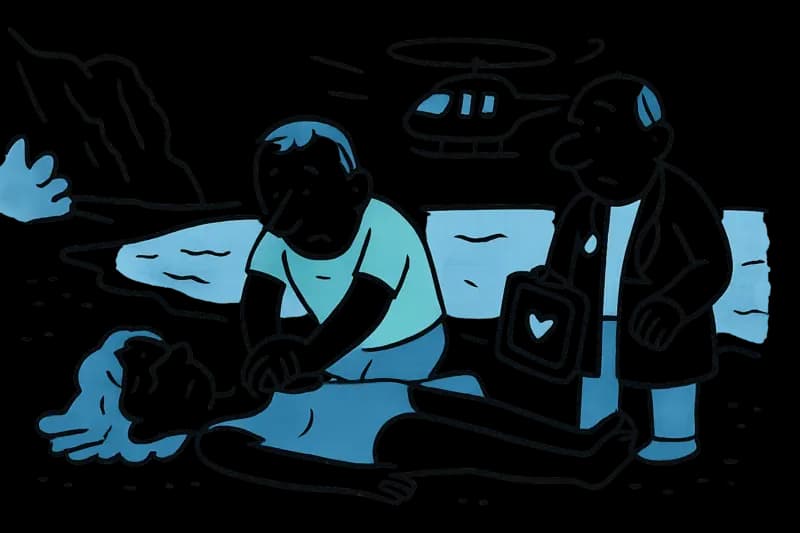
German tourist dies in Sa Calobra – a reality check for emergencies on Mallorca's beaches
A 40-year-old tourist died at the Torrent de Pareis. The emergency call, a doctor who happened to be present, a defibril...
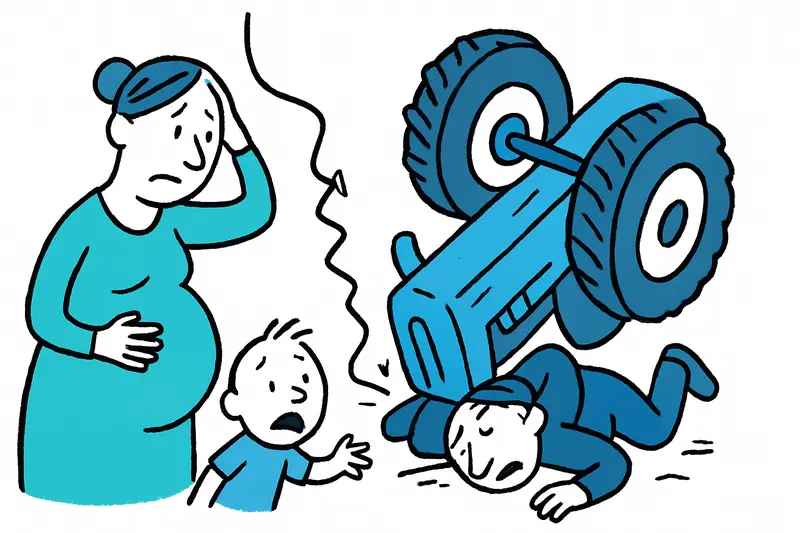
Deadly Tractor Accident in Bunyola: What Needs to Be Done Now
In a work accident on an estate near Bunyola, a roughly 40-year-old man lost his life. His wife and a small child were o...
Head-first dive into the shallow part of Cala Fonoll: An accident and the unresolved question of responsibility
A young tourist dove into Cala Fonoll and was seriously injured. Key question: Why are clear warning signs missing at da...
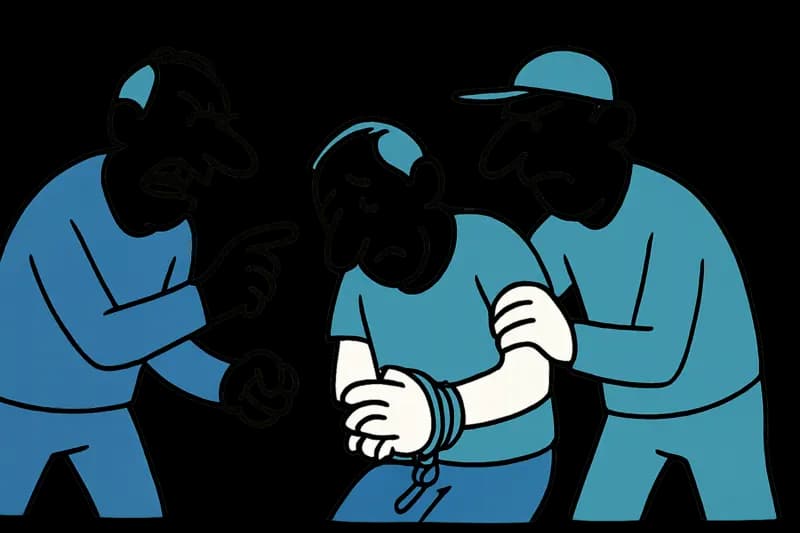
Mistaken identity with fatal consequences: Brutal assault in S'Aranjassa — what's missing in the follow-up?
At S'Aranjassa a visitor to a finca was tied up, beaten and thrown out of a van. Three men have been arrested, including...
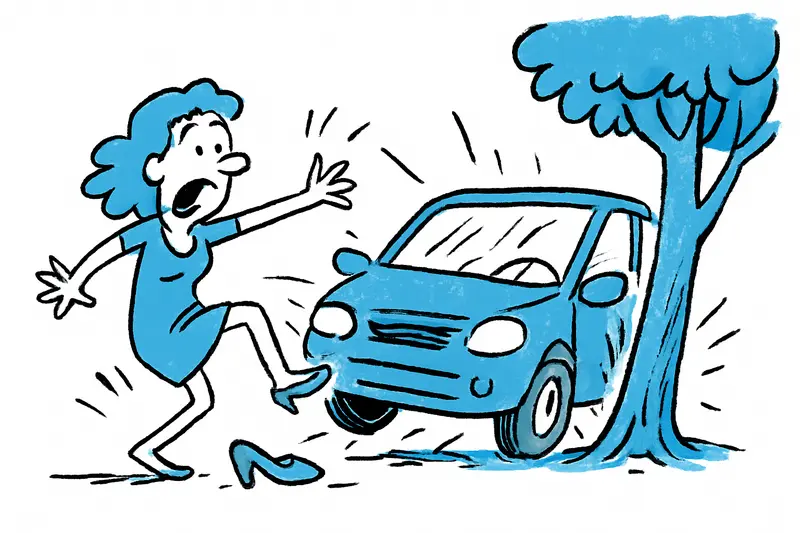
High heel slips, car accelerates: accident on Camí de Son Hugo
A woman lost a high-heeled shoe on the forecourt of the sports facility at Camí de Son Hugo. The car accelerated, mounte...
More to explore
Discover more interesting content

Can Cap de Bou

Townhouse Lleo 72
