
'We can't take it anymore': Neighborhood patrols in Son Güells between self-defense and risk
'We can't take it anymore': Neighborhood patrols in Son Güells between self-defense and risk
Residents in Palma-Son Güells patrol at night to prevent burglaries, attempted squats and assaults. Why self-help can become dangerous — and what concrete measures would help now.
'We can't take it anymore': Neighborhood patrols in Son Güells between self-defense and risk
Key question: Who protects those who begin to protect themselves?
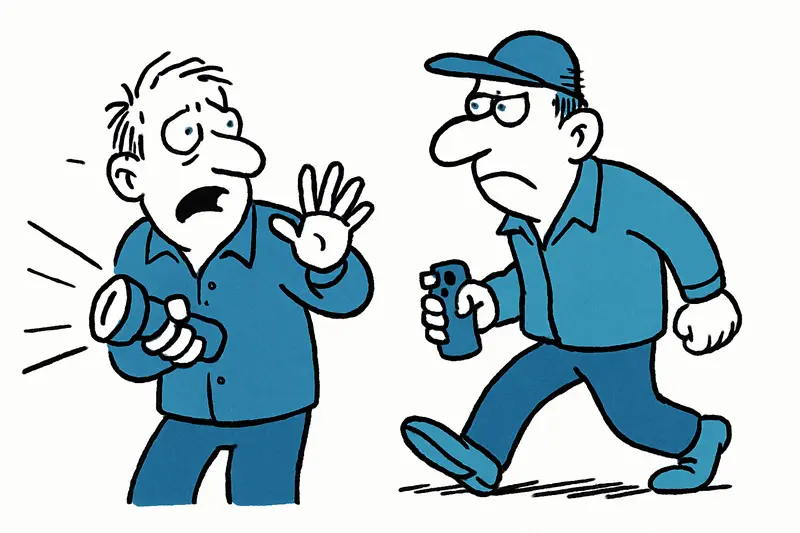
In Son Güells, at the far end of Carrer de Manacor, groups of residents have been out in recent nights. They walk, drive slowly in private cars, whisper in WhatsApp groups and often carry only simple means of defense — pepper spray, flashlights, sturdy shoes. The initiative comes from desperation: people report recurring car break-ins, attempted squatting and open drug use in the street. The chair of the neighborhood association, Melissa Rodríguez, says the mood is at its limit and the nights no longer feel safe, mirroring reports such as Nighttime Break-ins in Palma: Arrest Stops the Spree — But How Safe Is the Old Town Really?.
In short: the neighborhood is taking its safety into its own hands. There is broad understanding for this — but there are dangers that must not be overlooked.
Critical analysis
Nighttime patrols by residents are an expression of civic engagement, but not a substitute for formal security infrastructure. Volunteers who patrol without coordination with authorities or legal protection risk escalations, legal problems and the burden falling on individuals. When people carry pepper spray, the cycle of violence can escalate quickly: a confrontation can get out of control, witnesses may be absent, and medical help may not arrive in time.
From the perspective of public order, such patrols are a symptom: when concrete measures do not follow repeated warnings about problems — like Nighttime Break-ins in Palma: Arrest Stops the Spree — But How Safe Is the Old Town Really?, drug use in public spaces or intimidation by inhabitants of motorhomes — mistrust grows. That is bad for the neighborhood and undermines confidence in municipal and police institutions.
What is missing in the public debate
Discussion often focuses only on crimes or on 'more presence' without addressing coordination between social services, municipal enforcement and the police; the need for social solutions has been highlighted after incidents such as After Arrest in s'Arenal: Police Are Not Enough — Social Solutions Needed. Little is discussed about what everyday prevention could look like: better lighting, secure bike parking, fast repair of broken locks, legally secure measures against illegal water connections, or clearly regulated parking zones for motorhomes. And: there are no clear rules for civil society patrols — who bears responsibility, which actions are permitted, how are chains of assistance to emergency services activated?
Everyday scene from Son Güells
Walking along Carrer de Manacor in the evening, you hear the distant hum of the highway, the clack of a streetlight and the occasional clink when someone in the neighborhood forgets to lock a window. A small group stands on the corner: two older neighbors, a mother with a headlamp; they check the WhatsApp list and exchange nervous looks. A bar on the main street is closing; the smell of bread still drifts from the kitchen. These images explain why people no longer want to wait — they are tired, alert and ready to act, but not necessarily prepared for the consequences.
Concrete approaches
1) Formal coordination with authorities: residents' associations should seek a meeting with the Policía Local and the Ayuntamiento to agree on clear rules of cooperation. Volunteers may observe and report, not intervene.
2) Training and code of conduct: short workshops on legal boundaries, de-escalation, first aid and safe reporting procedures would reduce risks. Groups should appoint fixed contacts and work on a rotation principle so that individuals are not permanently burdened.
3) Preventive infrastructure: more functional lighting, motion sensors in parking areas, lockable bike boxes and prompt repair of street lighting. Such measures cost less than often assumed and increase the subjective sense of safety.
4) On-site social support: mobile social teams, low-threshold health services and programs for people with dependencies can reduce visible scenes during the day. This requires not only the police but also health administration and neighborhood support.
5) Regulatory measures: clearer rules for parking motorhomes, faster investigation of illegal water connections and transparent procedures for attempted squatting. Authorities do not have to solve everything immediately — but they must act visibly.
Practical rules for neighborhood patrols
Those who want to continue to get involved should do so according to these minimum rules: always in groups, never armed, report suspected crimes to the police immediately, document clearly (time, place, vehicle registration), no direct confrontation. And: establish contact with local legal advisors or consumer protection offices in case incidents occur; recent arrests in other neighborhoods, such as Arrest after knife attack in Pere Garau: How safe is Palma's neighborhood?, underline the legal complexities that can follow.
People's anger is understandable. If someone no longer wants to open their door at night, there is a problem that will not disappear with well-intentioned patrols alone.
Conclusion
The patrols in Son Güells are a clear signal: many residents feel abandoned. This must not become the norm; public reactions to events such as Palma on edge: Seven arrests after daytime burglary spree – what now? show the cost of inaction. Authorities, social services and neighborhoods must act faster, more transparently and more cooperatively. And people on the ground deserve support — not additional risks. Those who want to help should act with a plan, protection and backing, not out of desperation and without a safety net.
Frequently asked questions
Why are residents in Son Güells, Mallorca, organising nighttime patrols?
Are neighborhood patrols legal in Mallorca?
What should people do if they notice suspicious activity in Son Güells?
What safety problems are residents reporting in Son Güells, Mallorca?
What is the safest way for neighbours in Mallorca to organise a community watch?
Would better lighting help improve safety in Son Güells?
How can Mallorca authorities respond to neighbourhood safety complaints more effectively?
Should residents in Son Güells use pepper spray during night patrols?
Similar News
When the Wallet Becomes a Danger: Attack in Peguera and Lessons for Mallorca
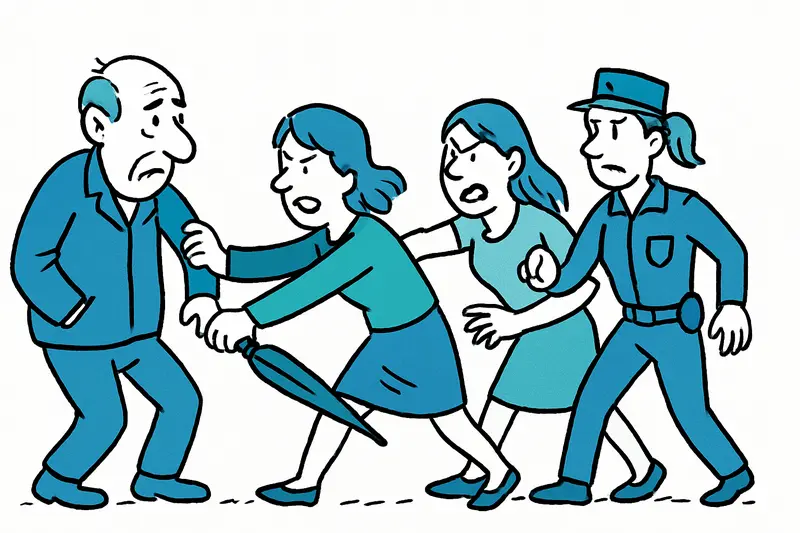
In Peguera, two women are said to have stolen the wallet from a 75-year-old German couple. When the victim intervened, t...
Plata stays Plata: Young people take over, Llonguets remain
A small bar on Carrer de l'Argenteria will continue: Tolo Serra hands the place over to young Mallorcans at the end of t...
Unnoticed in the Luggage Compartment: How a Boy Traveled More Than 100 Kilometers in a Team Bus
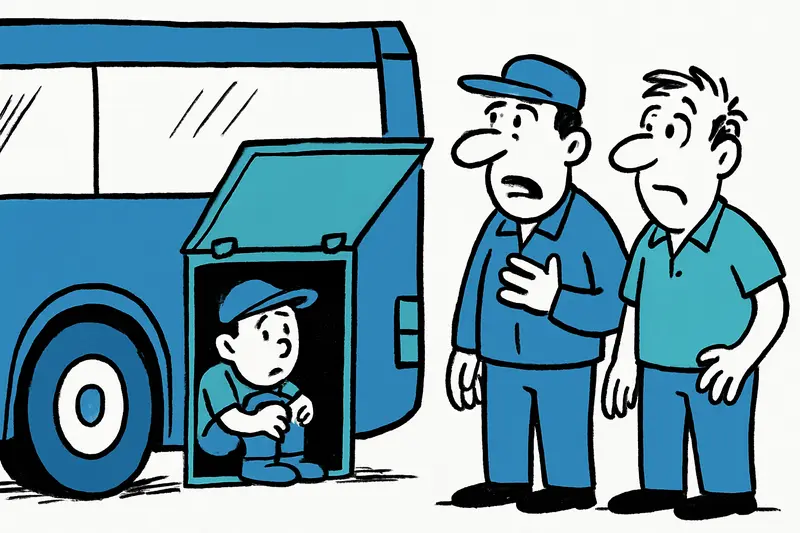
A minor traveled in the undercarriage of a team bus for more than 100 kilometers until his cries for help were heard. A ...

Cap Vermell Grand: Second Michelin Key – a Gift for the East
The Cap Vermell Grand in Capdepera has been awarded its second Michelin key. For the region this elevates the luxury off...

Eurowings lets four aircraft carry names – a friendly idea that also reaches Mallorca
Eurowings is launching a campaign: four Airbus A320s are to carry the first names of people who help others in everyday ...
More to explore
Discover more interesting content

Can Cap de Bou

Townhouse Lleo 72
