
Beaches in Mallorca: What Tourists Should Know About Bans
Beaches in Mallorca: What Tourists Should Know About Bans
Putting sand in your pocket, taking shells as souvenirs, a cigarette by the water — that can be expensive. A reality check on rules, enforcement and what is often missing on the island.
Beaches in Mallorca: What Tourists Should Know About Bans
Which rules apply — and why many visitors don't know them
On a hot morning at the Passeig Marítim: cicadas chirp, parasols click in the wind, and vendors shout out their wares on the promenade. Between towels, bathers and children's cries, however, many pitfalls await the uninformed. Small gestures like slipping a shell into your pocket or reaching for a cigarette can have real consequences here. The key question is: how are travelers supposed to follow rules when regulations are inconsistent and often only posted in Spanish on signs?
Critical analysis: The island has clear prohibitions — as shown by the range of sanctions. Anyone removing protected natural remains risks high fines; at the airport fines of between €500 and €3,000 were mentioned when illegal souvenirs are caught. Beach parties are no longer tolerated: those who attract attention in large groups with excessive alcohol and loud music can face fines of up to €1,500 per person. Dog owners risk up to €300 if they do not remove their pet's waste. Finally, buyers of counterfeit goods or consumers of illegal street offers are fined roughly €100 to €750.
These figures are clear. Still, enforcement is patchy: Sóller wants to regulate the beaches: rules, controversy and what's missing in the debate, notices are sometimes missing, and translated information is not available everywhere. The result is a mix of carelessness, lack of information and occasional thoughtlessness — the heat only adds fuel to the fire, making people less attentive and taxing residents' patience.
What is often missing from the public debate: practical guidance instead of pure lists of bans. It is not only about what is forbidden, but how tourists can behave concretely without falling into costly traps. Example: sand and shells — removal is prohibited in protected areas, but even outside those zones collecting can harm beach dynamics. Instead of moral appeals, clear alternatives are lacking — for example, information on where to buy permitted souvenirs or small suggestions for child-friendly beach finds that are legal.
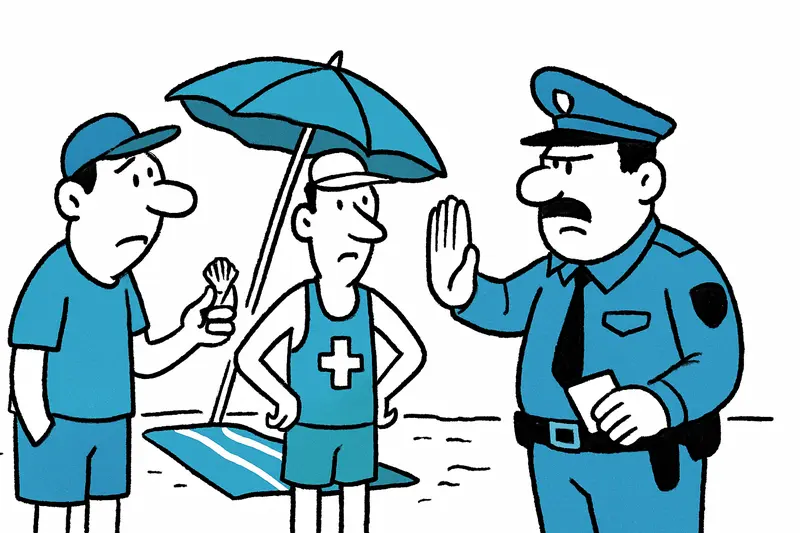
Everyday scene from Mallorca: At Platja de Palma I often see families quickly slip a shell into a bag as a farewell. Not out of malice, but out of ignorance. On the same beach sit lifeguards and police; they have little time for long explanations. The consequence: sharp fines, irritation on both sides and an image of surveillance rather than understanding.
Concrete solutions: First: multilingual, easy-to-understand signs at access points and parking lots — not only in Spanish. Second: a short information sheet in hotels, car rental agencies and vacation rentals with the most important rules (see Balearic Islands Reject Central Smoking Ban on Beaches and Terraces, dogs, nudity regulations, souvenirs, noise). Third: local beach managers or volunteers who show visible presence and provide friendly explanations during the high season. Fourth: digital maps (as PDF or a simple web app) marking dog beaches, nudist areas and smoke-free zones. And fifth: targeted checks of vendors combined with prevention work, instead of purely punitive measures — buyers should be informed before a fine follows.
Conclusion: The rules are there and the fines are clear — but information and humanity are often missing. A walk along the sea should not end with a fine. Spending a few minutes on local guidance saves trouble and helps keep Mallorca's beaches alive — for people, wildlife and the sand itself.
Frequently asked questions
What beach rules should visitors know when in Mallorca?
Is collecting shells or sand on Mallorca beaches allowed?
Are there fines for buying counterfeit goods or using illegal street offers in Mallorca?
What penalties apply to large beach parties on Mallorca beaches?
What penalties exist for not cleaning up dog waste on Mallorca beaches?
How can visitors access practical, multilingual guidance about Mallorca beach rules?
What roles do beach staff and volunteers play in helping visitors avoid fines in Mallorca?
Which Mallorca area is often cited when discussing enforcement on beaches like Platja de Palma?
Similar News
High heel slips, car accelerates: accident on Camí de Son Hugo
A woman lost a high-heeled shoe on the forecourt of the sports facility at Camí de Son Hugo. The car accelerated, mounte...
Phone Scam: How Two Hotel Employees at Playa de Palma Lost Thousands of Euros
One morning in September, two reception employees at Playa de Palma were pressured by alleged alarm-company staff — in t...
When the Wallet Becomes a Danger: Attack in Peguera and Lessons for Mallorca
In Peguera, two women are said to have stolen the wallet from a 75-year-old German couple. When the victim intervened, t...
Plata stays Plata: Young people take over, Llonguets remain
A small bar on Carrer de l'Argenteria will continue: Tolo Serra hands the place over to young Mallorcans at the end of t...
Unnoticed in the Luggage Compartment: How a Boy Traveled More Than 100 Kilometers in a Team Bus
A minor traveled in the undercarriage of a team bus for more than 100 kilometers until his cries for help were heard. A ...
More to explore
Discover more interesting content

Can Cap de Bou

Townhouse Lleo 72
