
Blind Pitbull Attack at Veterinary Clinic near Palmanyola – Key Question, Analysis and What Must Happen Now
Blind Pitbull Attack at Veterinary Clinic near Palmanyola – Key Question, Analysis and What Must Happen Now
A recently adopted woman was severely injured by her blind Pitbull in a veterinary clinic near Palmanyola. Key question: How could gaps in protection and risk converge?
Blind Pitbull Attack at Veterinary Clinic near Palmanyola – How Could This Happen?
Key question: How could a recent adoption, a visit to the veterinary practice and the attempt to put on a muzzle result in such a severe biting incident?
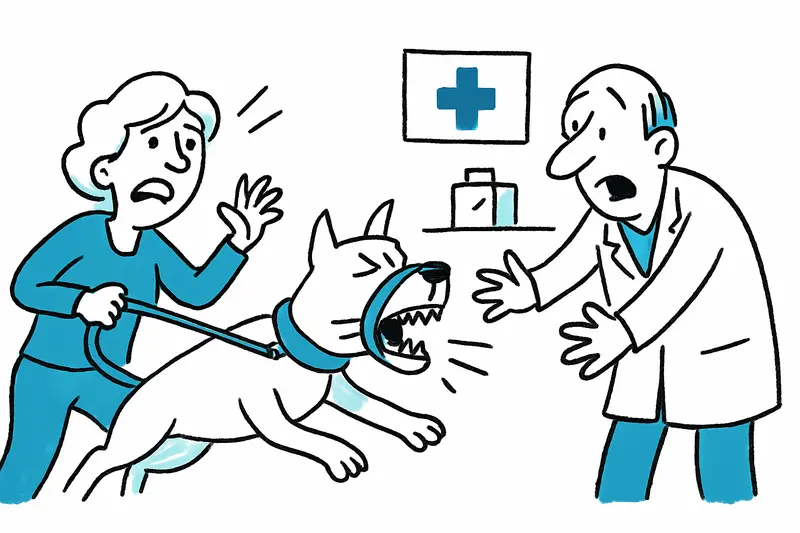
In the morning, a situation escalated in a small veterinary clinic near Palmanyola that one would not expect here: a woman who had shortly before taken in a blind Pitbull from the Son Reus shelter wanted to secure the dog with a muzzle before entering the practice. The animal panicked, attacked repeatedly and injured the woman so severely that she was taken to the Son Espases University Hospital with fractures to both arms and deep bite wounds to the chest and underwent emergency surgery there. Emergency services and the local police from Bunyola cordoned off the area; the municipal shelter (CEPAD) collected the dog and brought it to the facility in Santa Eugènia, where it was quarantined according to protocol.
In short: a dramatic chain of events. But looking only at the moment is not enough. It is about responsibility, information gaps and everyday practices that are not a given on Mallorca.
Critical Analysis: Where the Weaknesses Lie
The incident reveals several fault lines. First: the dog's history. Blind animals, especially when they previously lived in a shelter, need time, acclimatization and clear communication about behavior and triggers. It is unclear whether Son Reus provided sufficient information about the dog's history and behavior to the new owner.
Second: handling and training. Putting on a muzzle is not a trivial action, especially with an unsettled or pain-sensitive animal. Ideally, new owners should practice in the first days with experienced people how to train muzzle use, harnesses and leash handling in a stress-free way.
Third: practice procedures in veterinary clinics. In crowded waiting rooms with unfamiliar animals and visitors, situations can quickly become dangerous. Are there separate entrances for animals with unclear histories? Are appointment times planned so that potentially risky cases can be handled calmly, as public debates after incidents such as the playground attack in Palma: Who protects our children from unleashed dogs? show? Apparently not always.
What Is Missing from the Public Debate
The debate too often revolves around blaming certain dog types; incidents such as the dog injures four-year-old on playground in Son Armadans illustrate how the conversation shifts to breed rather than facts. More important are facts: What information about prior life, medical findings and socialization was handed over? What precautions do shelters take when rehoming dogs with disabilities? And how well prepared are veterinarians and their teams for sudden aggression?
Silence also surrounds aftercare for both the victim and the animal. The woman is hospitalized; how is she being supported psychologically? How is the danger assessment of the dog being conducted, and who is funding the quarantine and necessary veterinary care?
A Small Everyday Scene from Mallorca
Imagine the practice: the smell of disinfectant, the hum of the air conditioning in the heat, cicadas chirring outside and the distant honk on the Palmanyola country road. A waiting couple speak softly in Mallorcan dialect, children tug strictly at a leash, a veterinary assistant turns away to fetch help. In a corner a hastily assembled muzzle box — and then the sudden panic. A normal morning can tip over so quickly.
Concrete Solutions
1) Strengthened information duties at shelters: a standardized handover protocol with medical findings, behavior tests and concrete handling rules for special cases such as blind dogs. 2) Transitional support and practice sessions: new owners should have the option to be accompanied in the first days, ideally by volunteers or trainers cooperating with the shelter. 3) Clinic and practice protocols: separate entrances or special waiting times for animals with unclear backgrounds; staff training for emergencies; fixed equipment (different muzzle sizes, restraint aids). 4) Registration and control: clear rules for dogs classified as potentially dangerous, combined with mandatory conditions and support offers for behavior work instead of blanket stigmatization; municipal responsibility is also at stake, as seen in Palma must pay €106,700: Ruling after fall in unlit dog zone. 5) Aftercare for victims: medical, physical and psychological support, plus simple information for those affected about procedures after bite incidents.
Many of these measures take time and money. But they reduce the risk that a new start with an animal turns into a tragedy.
Concise Conclusion
The incident in Palmanyola is not a random case of fate, but a melting pot of information gaps, everyday stress and lack of preparation. The key question remains: Do we continue to rely on luck, or do we implement clear procedures, more responsibility during transitions from shelters and better preparation in clinics? If Mallorca chooses the latter, we will see such scenes less often — and help both animals and people at the same time.
Frequently asked questions
When is the best time to visit Mallorca for good weather and fewer crowds?
Is it safe to swim on Mallorca’s beaches, and where are the best options for families?
What should I pack for a Mallorca trip in the warmer months?
What are the best ways to get around Mallorca without renting a car?
What should I expect weather-wise in Mallorca across the year?
What food experiences should I seek while visiting Mallorca?
Are there travel safety tips specific to Mallorca I should know?
What outdoor activities are popular on Mallorca?
Similar News
Injured captain, big plans: Germania Mallorca before the away match in Consell
The newly founded FC Germania Mallorca travels to Consell on Saturday. Captain Bastian Müller is out injured, but coach ...
Palma, Palma de Mallorca, Palma‑Mallorca: What is it really about?
The debate over the city's name is more than grammar: it concerns identity, law and branding policy. A sober reality che...

Warning to Bathers: Nipping Fish in Cala Major and Other Coves — a Reality Check
In Cala Major and several beaches around Mallorca, bathers report painful “nips”. Who are the animals, why are they gett...

Rental Car Theft in El Arenal: What This Incident Reveals About Our Gaps
A teenager steals a running rental car in El Arenal, flees on foot, climbs over walls and is caught by the Guardia Civil...

Red Rope in Palma's Library: What Helps Against Selfie Tourism — and What's Missing
Palma's city library cordoned off an area with a red rope to keep selfie tourism away from reading and working activitie...
More to explore
Discover more interesting content

Can Cap de Bou

Townhouse Lleo 72
