

Boat tragedy off Mallorca: Between grief, legal battles and the question of a Plan B
A capsizing off the coast brings not only grief but a political clash over the distribution of refugees. The island appears overwhelmed — what now? An analysis with concrete proposals.
Tragedy at sea, dispute on land: Who protects the most vulnerable?
The morning at the harbor smells of sea and coffee, gulls cry, the first fishermen haul in their nets — and then the news that cuts through everyday life: A refugee boat capsizes off Cala Millor: one person dies, several seriously injured. People are missing, some die. Such images do not remain with the waves. They land in government offices, on talk shows and in front of town halls (see Two Dead on Balearic Coasts: When the Sea Withholds Answers).
A number that is hard to grasp
Behind the dry statistics are people with names, fears and injuries. In recent weeks significantly more arrivals have been recorded. Care places in shelters, temporary housing and day centers are scarce in many places. Social workers report overcrowding, nights without a free mattress, volunteer groups send emails that sound louder than the sirens after incidents such as Fishing boat accident off Portopetro: One dead, many unanswered questions.
The regional government has announced it will take legal action against a redistribution decision. At the center is the question of how unaccompanied minor refugees should be distributed between the mainland and the islands. In the corridors of the administration one hears the word "overload." In the cafes on the Paseo Marítimo one hears more bewilderment: "We want to help," says a woman who buys her bread at the bakery every morning, "but how long will we keep improvising?"
Why the debate is so heated on the island
The conflict is more than a legal dispute. It reflects structural problems: too few staff in social services, inadequate emergency plans, and a lack of coordination between municipalities and the central government. All of this hits an island whose agenda is shaped by tourism but also by tight municipal budgets.
Little attention is paid in the public debate to a crucial question: how long will the strain last? Legal steps, political trench warfare and media outrage delay decisions. And every delay means: more nights in emergency shelters, less stable care for minors, increasing pressure on volunteers who often act not under contract but out of humanity.
What is often missing
Mobility, transparency and qualified staff — these are three areas that are underrepresented in the debates. Mobility, because the islands must be thought of differently logistically: overnight transfers are expensive and complex, but sometimes necessary to quickly bring vulnerable children into safe structures. Transparency, because a publicly accessible overview of capacities, lengths of stay and responsibilities would ease political discussions. And qualified staff, because nothing works long-term if school psychologists, social educators and pediatricians are missing.
Practical steps instead of pure blame
Politics and society now need pragmatic, immediately implementable measures combined with long-term strategies. Some proposals that should not wait:
1. Immediate measures: activating vacant seasonal hotels or municipal buildings as temporary but properly equipped reception centers; setting up rapid-response teams for age assessment and protection needs screening; mobile psychological units that go to the emergency shelters.
2. Coordination and transparency: a digital dashboard showing free beds, responsibilities and transport capacities in real time; binding agreements between municipalities and the Gobierno de las Islas Balears on time windows for transfers.
3. Staff and funding: quick training programs for volunteers, financial incentives for professionals, temporary increases in positions in child and youth services, supported by targeted EU and national funding.
A call for moderation — and speed
Those walking along the harbor promenade do not only hear the clinking of coffee cups but also heated debates: loud, nervous, often helpless. Politics thrives on confrontation, but not every hour in court helps a child who has to sleep in a gym tonight. What is needed are fewer ceremonial positions and more operational solutions.
The guiding question remains: how do we best protect the most vulnerable now? The answer lies not only in law, not only in empathy, but in both — coupled with fast, coordinated action. That would not reduce one drama in the headlines, but perhaps save a life, one fewer child left without care.
On Mallorca you hear the waves, see the lights of the ships and feel the island's tightness at certain times of the year. Those who bear responsibility here must take that into account: pragmatically, humanely and with endurance. Otherwise, after the grief only the bitter aftertaste of a political dispute will remain.
Frequently asked questions
How does migration pressure affect Mallorca's social services?
Why is the debate over unaccompanied minors so difficult in Mallorca?
What happens when a refugee boat capsizes off Mallorca?
Is Mallorca prepared for more arrivals by sea?
What kind of emergency measures are being discussed for Mallorca?
Why are people in Mallorca calling for more transparency in reception capacity?
What role do volunteers play in Mallorca during migrant arrivals?
What longer-term solutions are needed in Mallorca to protect vulnerable arrivals?
Similar News
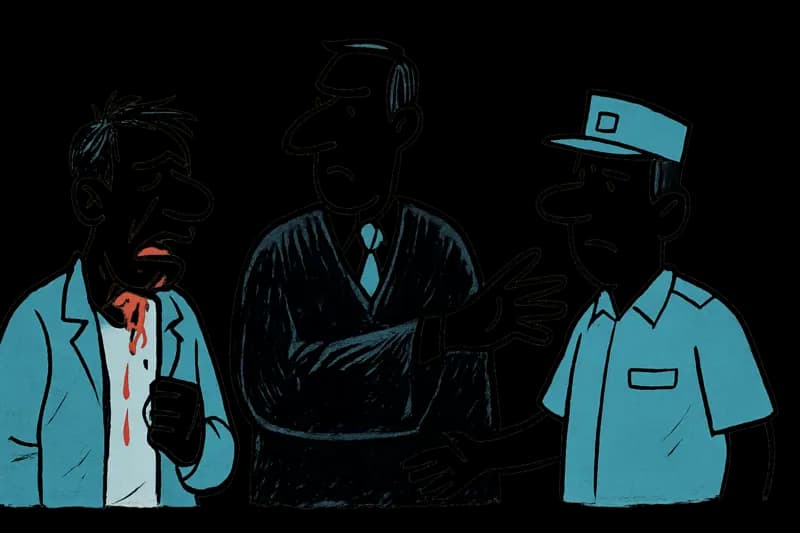
Release after bloody attack in Palma: Why the court's decision raises questions
An 18-year-old who allegedly inflicted a serious neck injury on a man at Plaza Gomila using a wristwatch wrapped around ...
Kidnappings in Inca: Three young men forced into car trunks and abused in the forest – a reality check
In Inca, three 18-year-old men were forced into car trunks by masked assailants at the Plaça des Bestiar, taken to a for...
Spreading Massification: The Brake That Still Has Much Work to Do
Marga Prohens announces limits on volume tourism. The measures sound harsh — but are they enough to save everyday life, ...
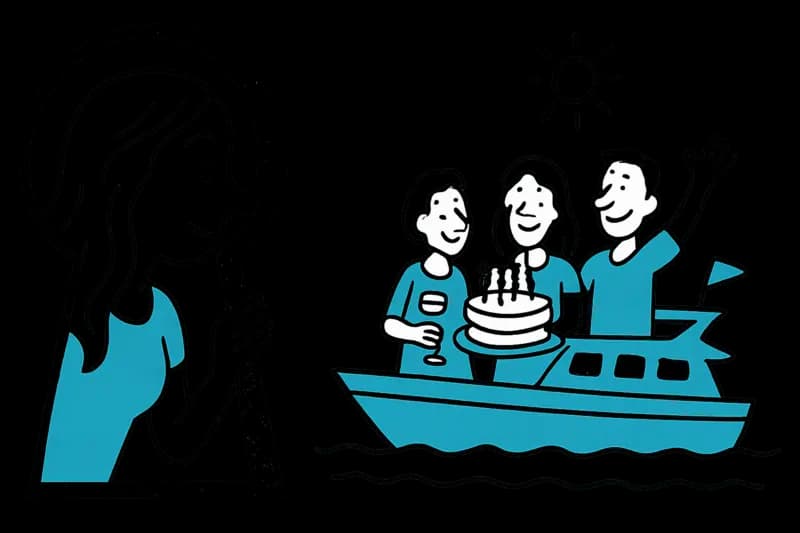
Through the Keyhole onto the Party Yacht: How Daniela Katzenberger Is Planning Her 40th on Mallorca
Daniela Katzenberger turns 40 and wants to celebrate it on the island — likely with a boat, cake and her mother. A relax...
By Boat Instead of the Road: Palma's Water Bus — a Reality Check
The 'Bus Nàutic' launches in two stages — but questions remain over interim operations, fares and environmental requirem...
More to explore
Discover more interesting content

Can Cap de Bou

Townhouse Lleo 72
