
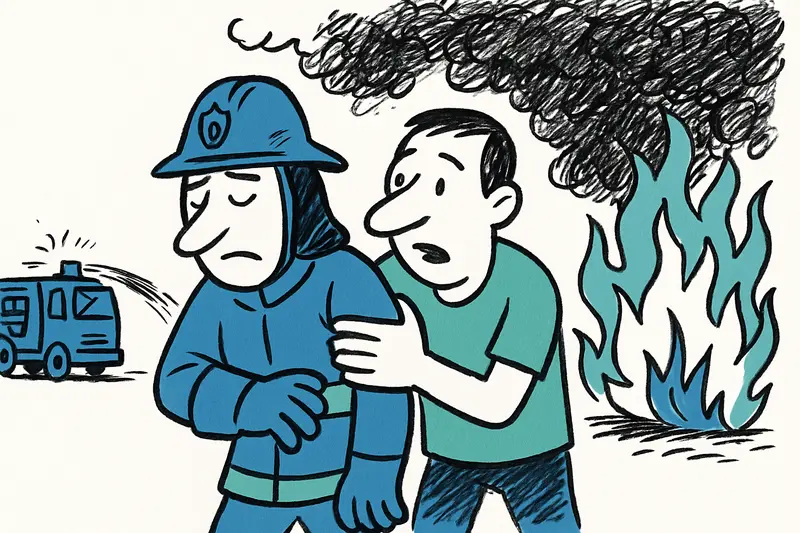
Heavy Deployment in Inca: Firefighter Injured — and the Big Questions That Follow
A firefighter was seriously injured in a field fire near the Constància football pitch. The operation exposed gaps in local prevention: How safe are our town edges during the heat season?
Noon alarm in Inca: sirens, helicopters and an unexpected smell of smoke
Around 12:30 p.m. the normally quiet area near the Constància football pitch briefly turned into an emergency zone: a plume of black smoke over the country road, the clatter of distant cars, the wail of sirens and the constant hum of cicadas suddenly overlaid by the heavy work of engines. What began as a small flame in the dry undergrowth became within minutes a fire that initially affected an estimated one hectare of vegetation.
A firefighter seriously injured — the tally of the day
During the extinguishing work, a member of the emergency services suffered severe second- and third-degree burns to his torso and arms. According to the operations command and reports such as Bombero gravemente herido: incendio en Inca durante intervención en campo, he was treated on site and did not require hospital admission. Four other people received medical assistance from the emergency service Samu 061 for minor smoke inhalation. Residents describe an atmosphere between relief and tense concern: "You couldn't even breathe properly, the air was so thick," says a shopkeeper on the main street, who briefly closed his doors and asked customers to keep their distance.
Why little becomes so much so quickly: dryness, heat and flammable edges
The central question raised by the incident is clear: how vulnerable are the edges of our towns during the prolonged heat period? Dry vegetation, warmed soils and the occasional careless discarding of cigarettes or burning of garden waste are often enough to turn a spark into an operation. In the rural surroundings of Inca small fields, scrubland and irregularly maintained embankments are common — and at the same time a risk factor.
What is missing in the public debate
When looking at such operations, several aspects often fall out of focus: first, the strain and risk for the firefighters themselves — many are volunteers or operate under high time pressure with limited protective equipment. Second, the responsibility for private land: who ensures that verge strips and fallow land are cleared before the high-risk season? Third, the local infrastructure: is there sufficient firefighting water supply in the area, or do pumps have to be brought in from farther away? And finally the question of prevention — how are owners, walkers and farmers informed and how are violations controlled?
What went well — and where we need to be careful
Positively, the rapid and coordinated response stood out: extinguishing teams from Inca and neighboring towns were quickly on site, specialist units and air support worked to fight hotspots, as detailed in Bombero gravemente herido durante trabajos de extinción cerca de Inca. The nearby train station and the junction were especially protected to prevent traffic disruptions or greater hazards. Yet the description of a wet, charred patch of earth being watered by the fire brigade to prevent re-ignition also shows the fragility of the situation: one small mistake and it could have been much worse.
Concrete steps now needed
The operation suggests practical solutions that can have short- and medium-term effects:
On-site measures: Regular clearing of embankments along roads and railway tracks, creation of firebreaks around settlement edges and targeted control of disposal and burning practices.
Communication and sanctions: Clear information campaigns in communities and on marketplaces, coupled with fines for repeated violations — not to punish, but to make the dangers visible.
Fire services and equipment: More investment in personal protective equipment, regular training for operations at urban-rural interfaces and continuous checks of water supply and pump capacity in the region.
Longer term: Land management through controlled burns under safe conditions, promotion of grazing to control vegetation and the creation of small water reservoirs that can serve as firefighting water sources in summer.
Outlook: shared responsibility — mayors, farmers, walkers
Today's operation in Inca is more than just a local moment of fire brigade aid and siren noise: it is a wake-up call. Responsibility does not lie solely with the fire service. Coordinated measures are needed between municipalities, landowners, farmers and citizens. A well-maintained roadside, a ban on open burning during the summer season or the short-term use of grazing animals can make a difference in the heat.
In the evening, when the engines quiet down and only the distant chirping of cicadas remains, people in Inca ask themselves again: have we done enough to get through the next heat period safely? The injured firefighter is a reminder that this is about people — about those who rush to us when sparks become flames. That should be motivation enough not to leave the edges of our villages and towns to chance.
Note: The information is based on official reports and statements from neighbors, and local coverage such as Fuego junto al campo deportivo en Inca: un bombero herido — ¿qué pasa ahora?. Investigations into the cause of the fire are ongoing.
Frequently asked questions
What should I know about wildfire risk in Mallorca during hot, dry weather?
Why do small fires spread so quickly in places like Inca?
Can you still breathe safely near smoke from a vegetation fire in Mallorca?
What should I do if I see a fire near fields or roads in Mallorca?
Is it safe to walk or drive near the Constància football pitch in Inca during a fire response?
Why do firefighters in Mallorca face extra risk during vegetation fires?
What can landowners do to reduce fire risk around Mallorca properties?
When is the highest fire danger season in Mallorca?
Similar News

When a Taxi Fare Dispute Turns Violent: What the Magaluf Case Reveals About Safety and Prevention
In Magaluf a 2023 dispute over a taxi fare escalated: an 18‑year‑old British man is accused of seriously injuring a taxi...
Bloody clash in Canòdrom Park: What is missing in addressing violence on Mallorca's streets?
At midday on October 23, an 18-year-old man was critically injured in Canòdrom Park in Palma. The attack raises question...

Palma raises bus fares: Who pays the bill for public transport?
Single tickets rise from €2 to €3, airport trips have a reference price of €4.50. It remains unclear whether residents w...

Palma's New Indoor Pool: Sea View, Sunbeds and Space for Everyone
At Aigua Dolça, near the Paseo Marítimo, Palma has a new municipal indoor pool. For a small fee people can now train, re...

How Four Burglars Emptied Ten Houses with a Simple Trick — and What It Means for Mallorca
Four men used the impressioning technique, posed as delivery workers and accepted two years in prison. A reality check f...
More to explore
Discover more interesting content

Can Cap de Bou

Townhouse Lleo 72
