
Cala Varques: After another accident – which questions remain open?
Cala Varques: After another accident – which questions remain open?
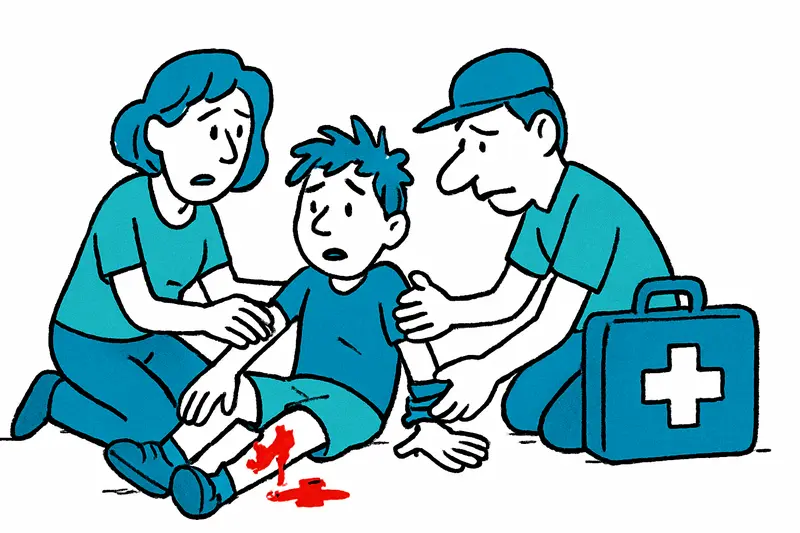
An eleven-year-old fell while climbing in the remote bay of Cala Varques and suffered a deep laceration. The response ran routinely, but the circumstances raise fundamental questions about safety and operational capability in hard-to-reach coves.
Cala Varques: After another accident – which questions remain open?
Key question: What needs to change so that recurring emergencies don’t become routine?
On Sunday afternoon there was another accident in the small, wind-swept bay of Cala Varques: an eleven-year-old fell about one and a half metres while climbing and suffered a deep cut. The family reacted immediately and initially applied a tourniquet until civil protection units and lifeguards arrived. After first aid the child was brought to Cala Romàntica and from there transported to the hospital by ambulance. Nothing exact is known about the further state of health.
The scene that played out on that August day is familiar here: hot stone underfoot, the smell of pine and sea, hikers with backpacks, the occasional car parked on the bumpy verge. Anyone who takes the narrow path down to the cove immediately feels how remote the place is. No direct access by vehicle, partially no mobile phone reception – exactly the mix that complicates rescue operations.
Critical analysis: The helpers did what they could; the protocol was followed. But the incident highlights two basic problems. First: accessibility. Cala Varques is not set up for fast vehicle transports. Even with a moderate injury, extracting and moving a patient can be time-consuming and personnel-intensive. Second: risk perception. Rocky coasts attract people who climb, jump or pose for photos, as in reports about dangerous dares on Mallorca's east coast cliffs. Families or groups in particular often underestimate hidden dangers – sharp-edged rocks, shallow spots in the water, slippery footpaths.
What is missing in the public debate: sober factual knowledge and practical prevention. Discussions often revolve around spectacular cases—and questions of blame, for example the fatal rescue attempt at Son Bauló. Rarely does it get concrete about simple measures that can save lives: clear warning signs at access points in several languages, receptacles with first-aid kits at popular access points, permanently installed anchor points for helicopter operations, or regular inspections of access routes by local authorities during the high season.
Another gap is the first-aid competence among tourist groups. That the parents in this case applied a tourniquet was important — but how many visitors know how and when that is appropriate? Courses in basic first aid, made popular and easily accessible, could help. Equally sensible would be clear notices on the island’s website and at tourist information centres indicating which coves are particularly remote and what to do in an emergency, as highlighted after the near-drowning in Cala Vinyes.
Everyday scene from Majorca: Picture the ascent – an older couple pushes a child’s bicycle up the footpath, next to them a coach disgorges the next pair of tourists. In the distance metal from a rescue vest clinks, a dog barks. People live with the rugged coast here, but many who visit come only for a photo or a jump into the sea. The tension between recreation and risk is always present.
Concrete solutions that can be implemented quickly: 1) Uniform, highly visible signs at all accesses to Cala Varques and similar coves with information about dangers and emergency procedures. 2) Small, weatherproof first-aid stations or boxes at the start of the access path. 3) Central coordination between the forest authority, Guardia Civil, local lifeguards and civil protection with maps marking access routes so that rescue teams have faster evacuation plans. 4) Seasonal monitoring by mobile teams that carry out patrols especially on weekends. 5) Awareness campaigns in multiple languages that inform visitors on site and online; simple videos on tourniquets, pressure dressings and emergency behaviour would already help a lot.
Pointed conclusion: The helpers on site once again prevented the worst. That is reassuring and commendable. But it should not let us sleep soundly. Cala Varques is not an isolated case; it is a pattern for places that are beautiful but hard to access, as other incidents such as the tragic fall in Cala Sant Vicenç and the death in Cala Blava underline. People who vacation here need information. People who live here need support. And those who manage the island should no longer put off the simplest protective measures.
Frequently asked questions
What safety improvements could help prevent emergencies at Cala Varques and Mallorca’s other coves?
How should visitors prepare for emergencies when visiting remote coves in Mallorca?
What hazards should I expect at rocky coastal areas like Cala Varques?
How do rescue services typically respond to accidents at remote coves in Mallorca?
Why is Cala Varques not easily accessible by vehicle, and what does that mean for emergencies?
What quick, practical steps could improve safety at Cala Varques and similar spots?
What should visitors know about remote coves in Mallorca before they go?
What role do multilingual notices and online information play in coastal safety on Mallorca?
Similar News
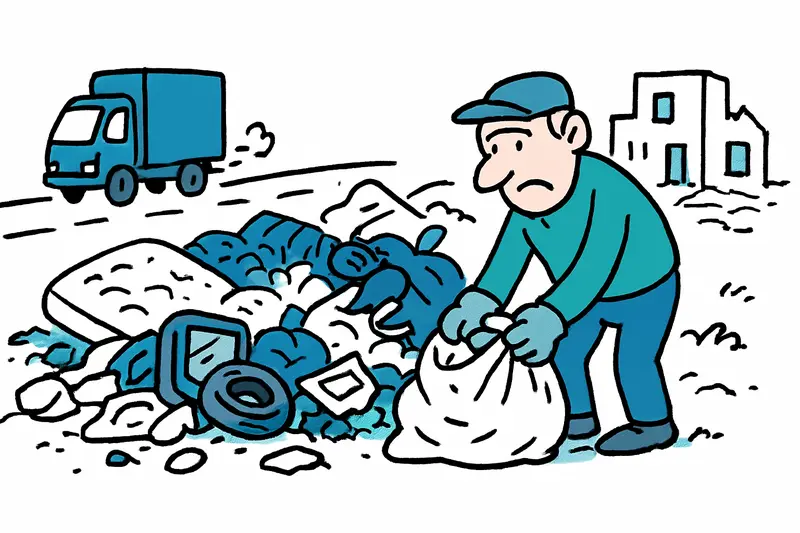
Who will clean up? Illegal rubbish heaps on the highway near Son Gual drive residents onto the streets
For months, construction debris and household waste have piled up along the highway between Palma and Manacor near Son G...

Amundi takes over Bikini Island & Mountain Port in Sóller – many questions remain open
The French asset manager Amundi has acquired the four-star Bikini Island & Mountain Port hotel in Sóller from an Austria...
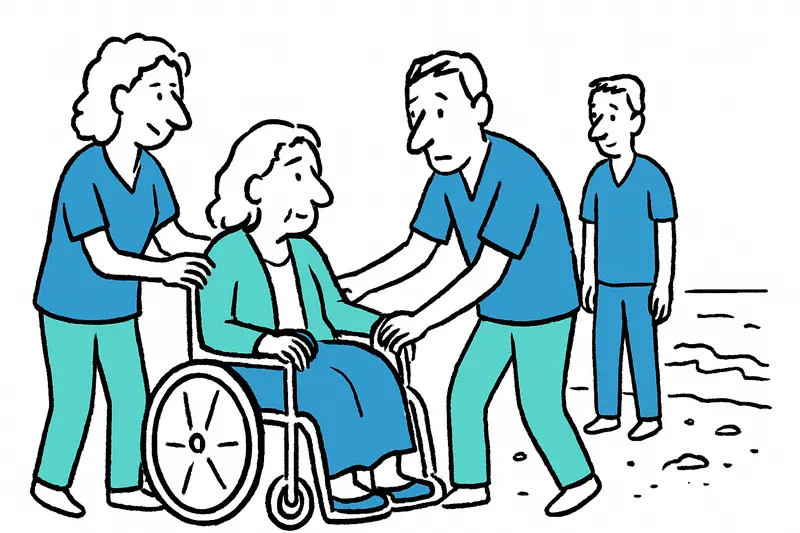
Silvia was allowed to see the sea once more – a small farewell in Port de Soller
A team from the Balearic health service IB-Salut fulfilled a terminally ill woman's wish: one last trip to the water in ...
Magaluf: Imprisonment for Beach Club Employee after Theft of a Bag — What the Ruling Overlooks
A former dishwasher received a one-year prison sentence for stealing a Louis‑Vuitton bag. The appellate court upheld the...
Road collapse at Port de Valldemossa: Who will pay for the next wave of damage?
A section of the MA-1131 near Port de Valldemossa slipped after heavy rains from cold front "Adam". Residents are strand...
More to explore
Discover more interesting content

Can Cap de Bou

Townhouse Lleo 72
