
Why Children at Mallorca's Pools Become Endangered in Seconds – A Reality Check After Two Emergencies
Why Children at Mallorca's Pools Become Endangered in Seconds – A Reality Check After Two Emergencies
Two nearly simultaneous swimming accidents in the Balearics – a four-year-old in Port de Pollença and a toddler in Ibiza. A close look: what was missing and what actually helps?
Why Children at Mallorca's Pools Become Endangered in Seconds – A Reality Check After Two Emergencies
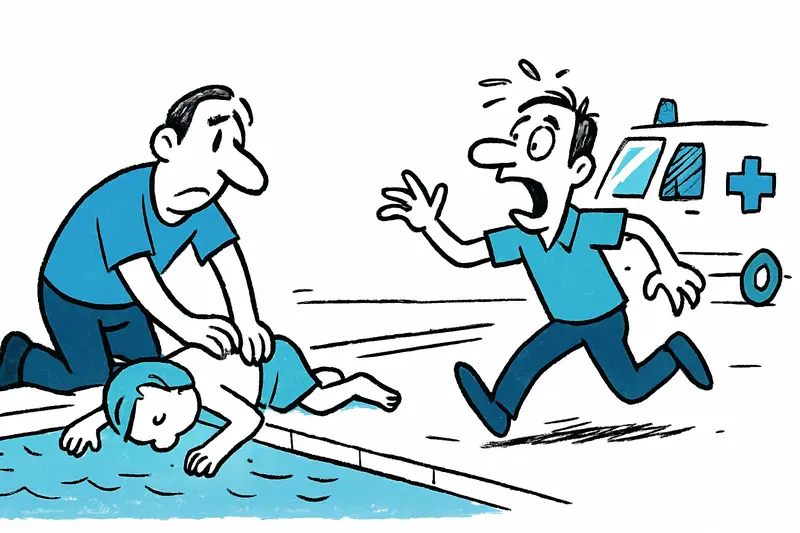
On Monday morning the heat was stifling on the north coast: boats gently rocked in the harbor of Port de Pollença, seagulls cried above the promenade and holiday voices mingled under parasols at the yacht club. Around 10 a.m. an alarm tore through this everyday calm: rescuers pulled a four-year-old boy unconscious from the club pool, resuscitated him and transported him under the so-called “green alarm” to the pediatric emergency department of Son Espases. Almost at the same time, emergency teams on Ibiza fought for the life of a two-year-old girl after a similar incident.
Key question
Why do harmless bathing scenes so often turn life-threatening for young children — and what is missing from the discussion when we report only individual cases?
Critical analysis
First the positive: both rescue operations show that it works when there is a quick response. A lifeguard spotted the child in the water, immediately began cardiopulmonary resuscitation, and the emergency service took over with a vehicle for advanced care. The Guardia Civil accompanying the transfer to the hospital and the selection of specialized clinics are examples that the system kicks in at a critical second.
But the bigger problem is not the rescue chain, it is the gap before it: how does a toddler get into a condition that requires resuscitation? Reports often lack concrete details: was the pool fenced? Were there alarm systems on private pools? Was the bathing area signposted — in several languages? Were parents within calling distance or just a short glance away? Such details decide matters of seconds and are regularly missing from the public debate, as in Tragedy in Son Bauló: Small Cove, Big Questions — How Safe Are Mallorca's Unassuming Beaches?
What is missing from the public discourse
The discussion remains too focused on individual fates and appeals to parents. Important topics are too rarely addressed: mandatory safety standards for private and semi-public pools, regular inspections by municipalities, easily accessible life-saving equipment (AEDs, rescue poles), mandatory training for staff in holiday facilities and clear multilingual instructions for tourist establishments. The responsibility of clubs and hotels is also seldom examined systematically — too often it is left to goodwill instead of strict requirements, as seen in Careless Moment in Llucmajor: Family Rescues Two-Year-Old from Pool – Medical Teams Fight for His Life.
Everyday scene as a reminder
Anyone walking along the Passeig on an August morning sees families briefly stopping at a café, children running, a water bottle on the table. One unobserved moment is enough: a flapping towel, an ice cream, a quick glance at a mobile phone — and a child is no longer to be found at the pool edge. These small distractions are not accusations, but reality. We all know them, we have all seen them.
Concrete solutions
There are measures that are quick and practical: 1) Multilingual, highly visible safety signage at all club and hotel pools; 2) Mandatory AEDs in yacht clubs and larger leisure facilities with regular maintenance; 3) Standardized training for lifeguards and service staff that also practices communication with distressed parents; 4) Technical solutions like audible alarms on access gates to children's areas or sensors in private pools linked to a call chain; 5) Subsidized, short first-aid and pediatric CPR courses for seasonal staff and interested parties; 6) Clear reporting requirements for accidents so authorities can detect patterns and act.
Why this is realistic
Many of these measures do not require new inventions but clear rules and enforcement. A yacht club with membership fees can, for example, purchase an AED and offer training; municipalities can focus inspections on tourist zones, a debate raised after Death in Colònia de Sant Jordi: Could better precautions have made a difference?; accommodation providers can make simple sensors mandatory. It's a question of priorities — not of impossibility.
Punchy conclusion
Two almost identical emergencies within a few hours should wake us up: the rescue chains in Mallorca work, but prevention is full of holes. We must move away from fatalistic language and invest in concrete steps. Otherwise every harmless holiday minute will remain followed by a doubtful “could, should, would” — and that is no comfort for parents. Now clubs, municipalities and operators must show that they will take the right lesson from the next second.
Frequently asked questions
What safety measures help prevent young children from drowning in Mallorca pools?
How can private pool owners in Mallorca improve safety for kids?
Should Mallorca yacht clubs have AEDs and staff training to protect children?
Why is rapid emergency response critical for child incidents at pools in Mallorca's tourist towns like Port de Pollença?
What kind of safety reporting and inspections are needed in Mallorca’s tourist zones?
How can seasonal staff in Mallorca be prepared for pool safety?
What safe practices should Mallorca hotels implement to protect families?
What can families do to reduce pool risks when vacationing in Mallorca?
Similar News
Bloody clash in Canòdrom Park: What is missing in addressing violence on Mallorca's streets?
At midday on October 23, an 18-year-old man was critically injured in Canòdrom Park in Palma. The attack raises question...
Palma raises bus fares: Who pays the bill for public transport?
Single tickets rise from €2 to €3, airport trips have a reference price of €4.50. It remains unclear whether residents w...
Palma's New Indoor Pool: Sea View, Sunbeds and Space for Everyone
At Aigua Dolça, near the Paseo Marítimo, Palma has a new municipal indoor pool. For a small fee people can now train, re...
How Four Burglars Emptied Ten Houses with a Simple Trick — and What It Means for Mallorca
Four men used the impressioning technique, posed as delivery workers and accepted two years in prison. A reality check f...
Bundles of Drugs, Containers and Open Questions: A Reality Check for Mallorca
3.3 tonnes of marijuana, 80 kilos hidden in golf-ball vending machines and a 44-year-old German released on conditions i...
More to explore
Discover more interesting content

Can Cap de Bou

Townhouse Lleo 72
