
Calcots on Mallorca: Slurping Expressly Allowed
Calcots on Mallorca: Slurping Expressly Allowed
The grilled spring onions from Catalonia are conquering Palma — as a convivial ritual, a restaurant trend and a small seasonal sensation until the end of March. How to eat them, where to go and why Mallorca benefits.
Calcots on Mallorca: Slurping Expressly Allowed
Why blackened skins, sticky sauce and loud slurpers suit the island well
The Passeig Mallorca still carries the scent of cool sea air, but in some kitchens you can already smell charcoal and roasted peppers. The calcot season has begun and in Palma you can spot them at stalls in the Mercat de l'Olivar, in shopping baskets on the way to Santa Catalina and on the menus of small places trying to extend the winter. For those who know the vegetable only by name: calcots are long spring onions, blackened on the outside from grilling, surprisingly sweet and tender inside.
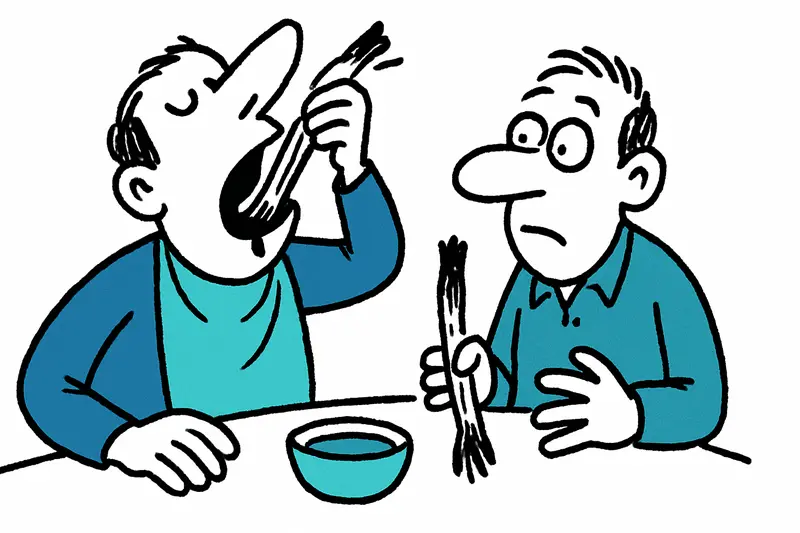
Eating them is less a meal than a small ritual. People often bring a bib, sometimes gloves, and they give up control over cutlery and manners. First you pull off the charred skin with a quick tug, then you dip the exposed warm tip in Romesco or a similar nut-and-pepper sauce and suck out the inside. It can get loud. And that's a good thing: anyone who stays quiet at the table is missing out.
I watched on a Sunday afternoon in the Santa Catalina neighborhood. A table next to me, an old grill, smoky air, voices and the clinking of glasses. The waiter handed out rubber gloves, an older couple laughed at the chaos on their plates, children proudly showed how fast they could eat their calcots. The Romesco splatters, the shirt is no longer quite clean, but the faces are happy. That's the attraction: a meal that creates closeness and encourages guests to let go.
Gastronomically this is no accident for the island. It fits wider changes such as Less Buffet, More Pan: How Self-Cooking Is Changing Mallorca. Calcots are easy to prepare, don't require much kitchen space and go well with Mallorcan products: a glass of dry rosado from Binissalem, a piece of grilled meat afterwards, a basket of olive bread from the bakery around the corner. Some restaurants have understood this. Addresses like small family-run places in Santa Catalina or selected evenings at farmhouses and country houses around Felanitx's Sunday markets offer calcot nights. If you want to find some until the end of March, reserve early — the season is short and appetites are big.
And what does Mallorca gain from it? Three things, I think: First, this tradition brings people together, not just tourists but also neighbors from Portixol Street or retirees from La Llotja. Second, it extends the gastronomic season and fills tables in an otherwise quiet time. Third, it gives local producers a small but fine demand: calcots need sun and care, and the market vendors are pleased when something fresh makes it into baskets.
A small DIY for home: wash the calcots thoroughly, char them over glowing charcoal on a grill rack, let them rest briefly, remove the blackened skin with a quick pull, dip into a thick Romesco and eat immediately. Shirt off? No. Bib on. Chill the wine. Invite friends. No cutlery. Simple rules, great fun.
For those who prefer the guaranteed roofed experience: some establishments in Palma serve calcot menus on set Sundays or selected dates. It's worth watching the announcements of small places — spots are often released at short notice, and the taste is the best advertisement.
Conclusion: Calcots are more than a dish. They are an invitation to experience the island in its sociable form. Clinking plates, charred fingers, a smear of sauce on the nose and the feeling of being part of something — that's Mallorcan winter pleasure in concentrated form. If you've never slurped a calcot before: dare to try. And bring a bib.
Frequently asked questions
What are calcots, and why are they popular in Mallorca?
When is calcot season in Mallorca?
How do you eat calcots properly?
What sauce is served with calcots in Mallorca?
Where can I eat calcots in Palma?
Are calcot dinners in Mallorca a good option for groups?
Can you make calcots at home in Mallorca?
Why do people wear bibs for calcot meals in Mallorca?
Similar News
When Ryanair's fleet grows: What Mallorca's travelers should know
Ryanair will soon receive 737 Max 10 jets. The larger aircraft offer potential savings — but also new risks for flight o...

Rising fuel and housing costs: Why Mallorca's overland buses are suddenly overcrowded
More and more people are leaving Palma — and boarding TIB buses: Between January and August 2026, the network recorded o...

Carriages Without Horses: Palma Plans E-Carriages – a Reality Check
Palma plans to switch to electric carriages in 2027. The prototype was shown near the cathedral. What is the technology ...

Record season, empty coffers: Who really benefits from the tourism boom?
Full hotels and more flights: the numbers sound impressive — yet many locals feel no benefit. A reality check with an ev...
Pool ordered for €46,000 – €23,000 paid, no work carried out: A fraud case in Palma
A homeowner in Palma transferred €23,000 for the construction of a pool. Weeks later it emerged that no building applica...
More to explore
Discover more interesting content

Can Cap de Bou

Townhouse Lleo 72
