
Calvià Shows Beaches in Real Time: Less Crowding, Better Planning
Calvià Shows Beaches in Real Time: Less Crowding, Better Planning
Six beaches in Calvià now provide updated figures every ten minutes: how many people are on the sand and in the water and how occupied each beach section is. A simple service with practical benefits for residents and visitors.
Calvià shows beaches in real time: less crowding, better planning
Six coastal sections provide updated figures every ten minutes – water quality data to follow soon
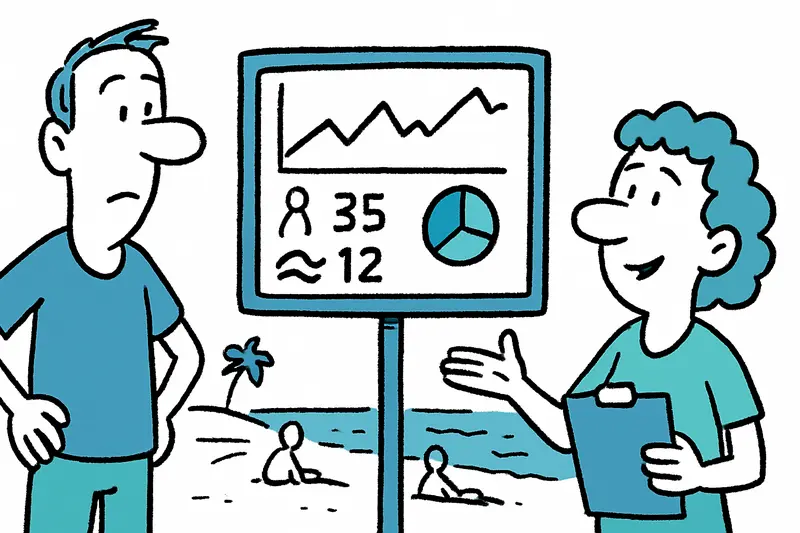
The municipality of Calvià is launching a small but useful tool this week: on a municipal display you can now see in real time how busy six beaches are. The list includes well-known stretches like Paguera, Palmanova, Magaluf and Santa Ponça. Updated numbers arrive every ten minutes, separated into people on the sand and people in the water, plus a percentage value showing current occupancy relative to the calculated maximum capacity.
For many this may sound technical, but in practice it's tangible. On a windless morning in Paguera I hear the cash registers of the chiringuito clinking, children building sand walls, and an older woman casually smoothing her towel over the warm sand. When the display next to the promenade says "40%", locals immediately know: no need to rush. If you're looking for a quiet spot, you drive on to Es Carregador or wait an hour – instead of circling for parking or spending the afternoon in crowded bays.
The municipality has announced it will soon add water quality data. That would be a sensible addition: sun and beach are lovely, but people also want to know whether the bathing water is okay. Another reassuring point: in the 2025 season none of the monitored beaches exceeded 50 percent occupancy – which shows that much of the concern about crowding may have been unnecessary, but the numbers create transparency, as discussed in Empty Beaches in the Southwest: What the Numbers Say — and What They Conceal.
Who benefits concretely? Families with small children planning their day, older people seeking peace, and tradespeople or restaurateurs who need to allocate staff and supplies. Employees in beach bars and lifeguards can also better gauge the pulse of the bay. Imagine: Señora Carmen from the kiosk on Santa Ponça promenade can arrange cheaper bread delivery when the display shows low occupancy – simple, practical consequences.
Technically, such displays usually rely on a combination of cameras, sensors or manual counting by on-site staff; Calvià updates the values on a ten-minute cycle. For tourists, linking the system to map services or a small traffic-light system at the accesses would help: green means space, yellow means fewer sunbeds available, red means full beaches. Calvià tests online booking for beach loungers: convenience or the end of spontaneity? reports on related trials that could integrate with such displays. A voice from the neighborhood suggested mirroring the displays at the Portals harbor and at car parks to avoid unnecessary car trips.
Small caveat: digital occupancy displays do not replace on-site impressions. A quiet cove can still feel full in high season if only a small stretch is being used. Therefore it would be good if the municipality also added long-term information on accessible areas, dog zones and the nearest toilets, and linked this to testing of reservation systems described in Calvià Tests Digital Beach Reservations – End of the Towel Blockade?. Even better: multilingual notices so visitors from other countries immediately understand whether the trip is worth it.
What remains to be hoped for: that the data remains open and not hidden behind a complicated login. A simple display on the city website and publicly accessible numbers already do a lot. If Calvià supplements the promised water quality data and links the displays with information on parking and public transport, the model could become an example for other municipalities on Mallorca.
In the end it's a small relief in island life. In the morning on the Passeig of Palmanova, when the seagulls smell fries and fishermen mend their nets, it makes a difference to know: today the bay still has space. No stress, more room for what makes summer here – a simpler, more relaxed day at the sea.
Outlook: More data, clearer displays at access points, multilingualism and a link with parking information would significantly increase usefulness. For Calvià it's a step toward transparent coastal management, for the people on the island a practical everyday aid.
Frequently asked questions
What is the weather like in Mallorca in winter?
Can you swim in Mallorca outside the summer season?
What should I pack for a trip to Mallorca in the cooler months?
Is Mallorca still worth visiting in autumn or winter?
What is Deià like in winter?
Is Soller a good base for a winter trip to Mallorca?
What can you do in Mallorca when the beach weather is not ideal?
How cold does Mallorca feel in the evening?
Similar News

Magaluf: Watchtower Alarm – Lifeguards Pull Unconscious Beachgoer from the Water
After a drama in the late afternoon, two lifeguards at Magaluf beach rescued an unconscious 44-year-old man. He was stab...

Turquoise in the City: How dangerous is the color play of the Sa Riera?
The Sa Riera in Palma suddenly turned turquoise — a pretty motif, but behind the effect lies a discharge of saline waste...

Jeckliner at Sunnesching: Cologne spirit sets sail from Palma
In September 2027 the Mein Schiff 2 briefly becomes a floating carnival stage: four days with Cologne bands, comedy and ...
Finally Home: Mike and Leyla Heiter Buy Villa with Sea View in Mallorca
The reality TV couple Mike and Leyla Heiter have bought a house in Mallorca with a roof terrace and sea view. An Instagr...

Arrest after series in Palma: Who protects apartments from repeat offenders?
The National Police arrested a man in Palma who investigators say may have broken into several apartments. In one incide...
More to explore
Discover more interesting content

Can Cap de Bou

Townhouse Lleo 72
