
When Streets Turn into Bedrooms: Campervans and the Housing Shortage in the Orange Valley
When Streets Turn into Bedrooms: Campervans and the Housing Shortage in the Orange Valley
More and more workers are trading rented apartments for motorhomes. In the Sóller valley the conflict between residents, cleanliness and a policy without a plan is growing. Who helps the people — and who protects the villages?
When Streets Turn into Bedrooms: Campervans and the Housing Shortage in the Orange Valley
How long will makeshift living still be accepted as a solution?
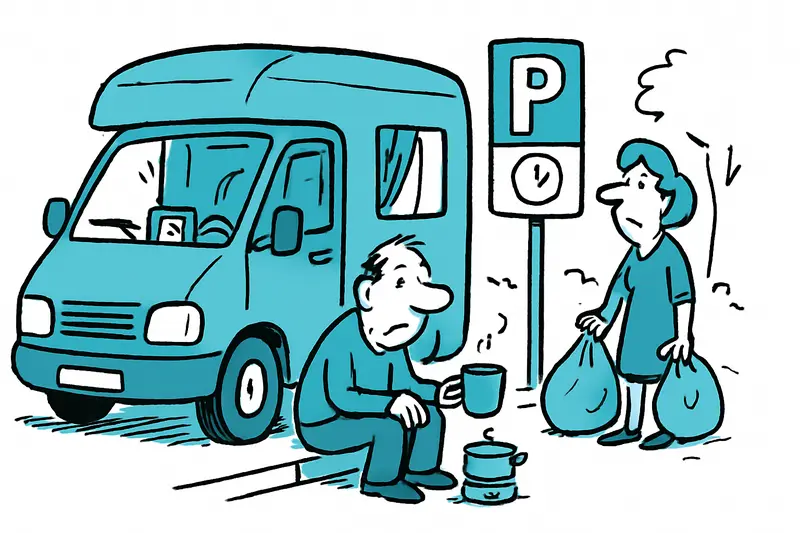
On a sunny morning in the Sóller valley, when the shops on the Carrer de sa Mar open and the smell of freshly brewed coffee hangs over the harbour, they stand there: campervans along the main road, in parking lots next to warehouses in Son Angelats, scattered at the harbour of Port de Sóller. The vehicles are not full of holidaymakers or adventurers, but often house people who work here — masseurs, waiters, construction helpers, cleaning staff. Look closely and you spot framed photos on the dashboard, a pot on a small gas stove, and the parking disc used as a new mailbox.
Key question: Who bears responsibility for the fact that more and more people on Mallorca are living in vehicles, and what measures prevent public spaces from turning into permanent camps?
The causes are known and are not solely down to a personal preference for minimalism. Affordable housing is scarce, rents are rising, and competition from holiday rentals as well as a strained labour market worsen the situation. Many affected people are not marginal figures; they pay taxes, work in tourism or the service sector and can no longer find an option on the regular housing market.
Critical analysis: The phenomenon is currently debated on two levels, but rarely brought together. On the one hand are residents' concerns about safety, order and cleanliness; the tense tone is understandable when rubbish ends up on the street or sanitary facilities are missing. On the other hand, a consistent housing and social policy that acts preventively is lacking. Instead of isolated bans, a comprehensive strategy is needed: where should people live if the market leaves them outside the door? Who provides infrastructure that ensures health and dignity?
What is often missing in the public debate are reliable figures and a real distinction between tourist camping and permanent living out of a lack of alternatives. Also missing is a view on seasonal employment, which pushes many into provisional solutions, and on the responsibility of landlords and investors who prefer short-term rentals to long-term, socially compatible prices.
A daily scene from the valley: a caretaker in Son Angelats sweeps the pavement, a delivery van honks, an elderly couple feeds the pigeons; nearby stands a camper from which soft music drifts. Children play in the square but avoid the bags of rubbish. These contradictions show: the situation is not marginal; it blends into the everyday life of the places.
Concrete solutions, realistic and immediately applicable: municipalities could offer regulated pitches with fresh water, disposal and charging stations, combined with time-limited residence rights. Such sites prevent wild rubbish, create oversight and provide a transitional solution. At the same time, vacant buildings should be reviewed and repurposed into affordable housing; in the short term this could involve agreements with owners and tax incentives. In the medium term, social housing is needed for low-wage workers and binding rules to prevent the conversion of long-term flats into holiday apartments.
Further measures: mobile sanitation and waste-collection services for areas with many campers, a municipal fund to support tenants at risk of losing their homes, and cooperation between municipalities and hotels to create employee accommodation. It is important that violations regarding waste and inconsiderate behaviour are consistently sanctioned — that increases acceptance in the neighbourhood.
Pointed conclusion: The growing number of campervans is a visible symptom of a structural problem. Looking away or blanket bans solve nothing. Short-term, pragmatic steps are needed that combine humanity with order, and in the medium term a clear housing policy that regulates the market so those who work in Mallorca can also live here. Otherwise, there is a risk that emergency becomes a permanent state that changes the fabric of small places like Sóller and Port de Sóller — not for the better.
Frequently asked questions
Why are campervans becoming common along Mallorca's Sóller valley and Port de Sóller?
What short-term steps could Mallorca towns take to manage campervans without resorting to bans?
What longer-term housing policies could help workers in Mallorca live close to their jobs?
How does the public debate around campervans in Mallorca balance safety and humanity?
What infrastructure is needed to support people living in vehicles in Mallorca?
How should authorities respond to waste and misbehavior related to campervans in Mallorca?
What should travelers pack for a campervan trip to Mallorca?
How is Mallorca’s housing and tourism outlook likely to affect workers in the coming years?
Similar News
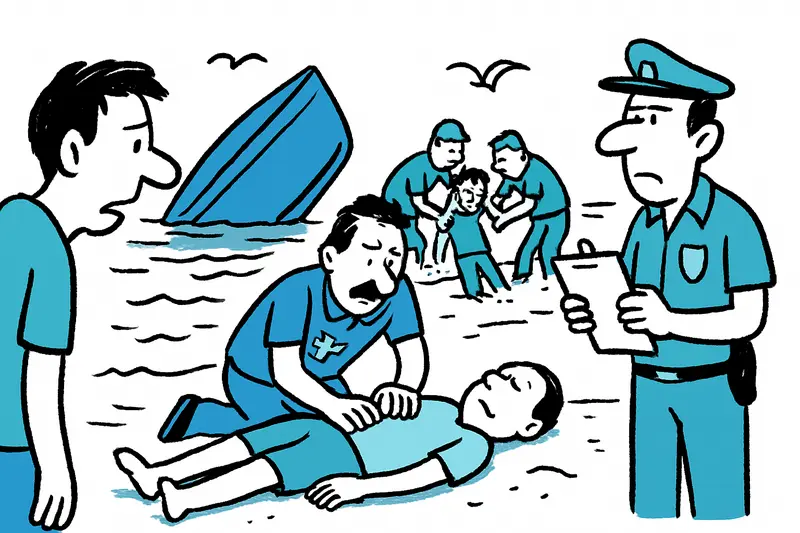
Boat accident at s'Estanyol: Why a rescue operation wasn't enough
A charter boat capsizes off the harbor of s'Estanyol, a 70-year-old man dies. A reality check: how procedures, rules and...

Weeze expands: New terminal makes travel to Mallorca easier
The Lower Rhine Airport in Weeze is expanding its capacity: a new arrivals building, separate Schengen/non‑Schengen area...

Weeze is getting bigger – a good sign for Mallorca travelers
The small Lower Rhine airport in Weeze is getting a new arrivals terminal of around 4,900 m². More space, separate arriv...

Of Bridges and Souls: Montiel and Estelrich Bring Songs to Castell de Bellver
On August 25 Maria José Montiel and Miquel Estelrich perform at Castell de Bellver — an evening of songs from Spain, Fra...
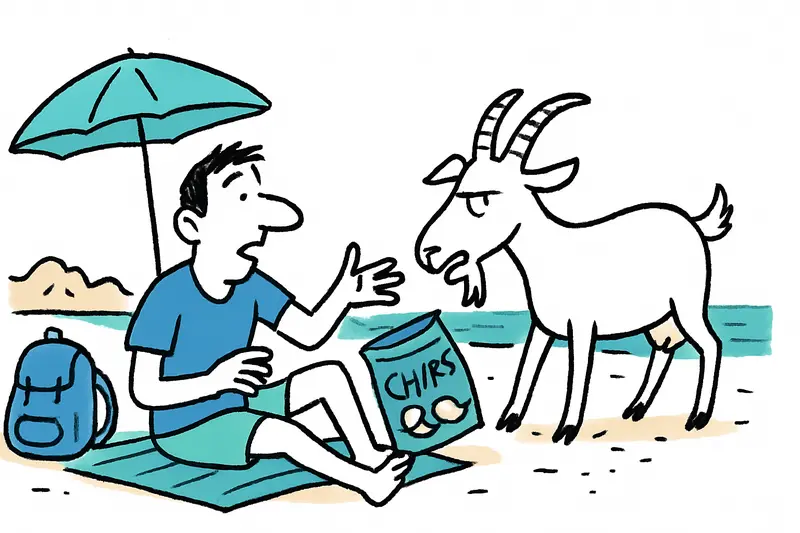
When the Goat Wants the Chips: Beach Visit in Cala Sant Vicenç and a Bigger Problem
A wild goat strolls along the beach of Cala Sant Vicenç between coolers and beach bags and steals a bag of chips. The sc...
More to explore
Discover more interesting content

Boat Tour with BBQ along Es Trenc Beach

Private transfer from Mallorca Airport (PMI) to Pollensa
