
Boat accident at s'Estanyol: Why a rescue operation wasn't enough
Boat accident at s'Estanyol: Why a rescue operation wasn't enough
A charter boat capsizes off the harbor of s'Estanyol, a 70-year-old man dies. A reality check: how procedures, rules and everyday situations on Mallorca come together — and what would need to change.
Boat accident at s'Estanyol: Why a rescue operation wasn't enough
Key question: Why are existing rescue forces and safety rules not always sufficient to prevent such tragedies?
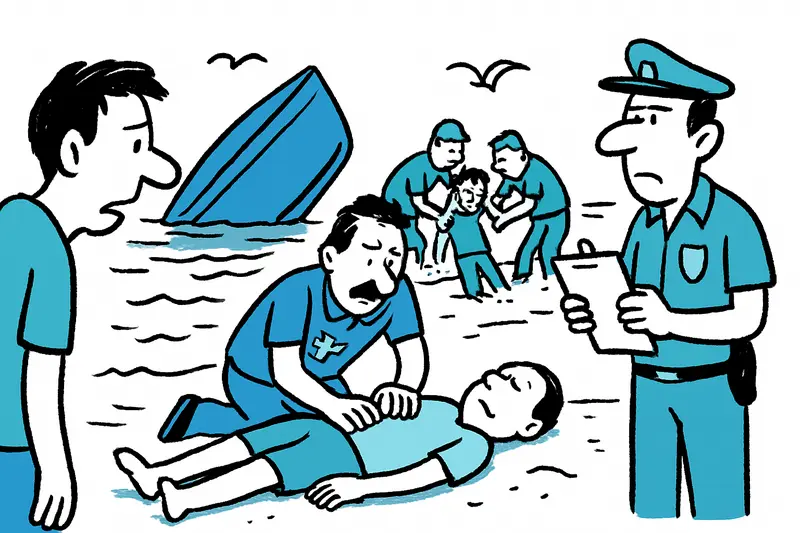
In the early afternoon, the heat hangs heavy over the harbor of s'Estanyol, seagulls screech, tourists seek shade under the few umbrellas. A charter boat lies capsized only a few dozen metres from the quay; people are brought ashore, paramedics work in T-shirts, a municipal doctor hurries to the scene. But one man does not survive. Emergency service 061 and the Guardia Civil confirm: an occupant fell into the water and drowned despite resuscitation attempts.
The scene is eerily familiar: boats coming too close to the coast, people without life jackets, a sudden accident and the frantic coordination between the sailing club, land rescue and sea rescue. This time the result is fatal. We must ask what was different that afternoon — and what is fundamentally going wrong.
First observation: rescue is not the same as prevention. That a sailing club boat and the sea rescue were quickly on site shows that procedures work when there is an emergency. But after a capsize every minute counts. If passengers are not secured in a life-saving way, if the boat sinks quickly or the sea is confused, the chances decrease. This is not a criticism of the emergency crews; it is an indication that the system has gaps at the point where accidents actually occur.
Local discourse often lacks two things: concrete numbers and everyday perspectives. People talk about individual accidents, but rarely about how many charter trips take place daily without adequate safety briefings, or how often life jackets on board are actually worn. On the quay at s'Estanyol locals hear similar stories: the boat rental that does not check life jackets; the group that sets off after a few beers; the youngsters who jump between boats while anchored. These small habits add up.
Concrete solutions that fit here and could have a short-term effect:
- Visible safety checks at harbours: At the handover of charters it should be documented personally that all life jackets are present and fitted to the passengers. A short, mandatory briefing (maximum five minutes) is feasible.
- Mandatory AED and emergency plan in the harbour: Not only larger ports need defibrillators; small landing stages like s'Estanyol should also have a clearly visible device and a clear chain of notification.
- Clear zones and signage: Distinct markings for bathing and boating areas reduce risky behaviour. Boats should be anchored outside narrow bathing zones.
- Training for boat rental companies: A simple, mandatory safety certificate for rental operators, combined with random checks, would create pressure to take rules seriously.
- Local public information: Short posters, notices in restaurants and beach bars, information in several languages — this reaches holidaymakers who often have no local knowledge.
Everyday scene: In the evening, residents of s'Estanyol sit on the steps in front of the harbor bar, exchanging rumours. People know the faces of the charter owners, they know who likes to set off late. More than discussions about responsibility, tangible neighbourhood rules are needed here: Anyone who rents out a boat must know that their behaviour at the quay has consequences.
Political and administrative steps would be important, but they must not remain on paper. Simple measures that cost little and can be implemented quickly would improve the balance between tourism and safety. These include binding handover protocols, better marking of bathing zones and low-threshold training for boat operators — including occasional skippers.
Punchy conclusion: Mourning for a lost person is one thing. The other is the reality that on Mallorca we repeatedly see the same risk patterns. Rescue capacities are crucial — but even better is to make such operations necessary less often. That will only happen with more clarity at the harbours, obligations for providers and a bit more caution from all of us when we go out on the water.
Frequently asked questions
What practical safety measures should Mallorca harbours implement to prevent boating accidents?
What safety steps could make the small harbour of s'Estanyol safer for visitors and boat operators?
Why isn't a rescue operation alone enough to prevent drownings along Mallorca's coast?
Should charter boat operators in Mallorca undergo formal safety training?
What can tourists do to stay safer on a boat trip around Mallorca?
How do Mallorca's hot summers and busy harbours affect boating safety?
Why is local information in multiple languages important for visitors renting boats in Mallorca?
What is the balance between rescue capacity and prevention in Mallorca's boating safety?
Similar News
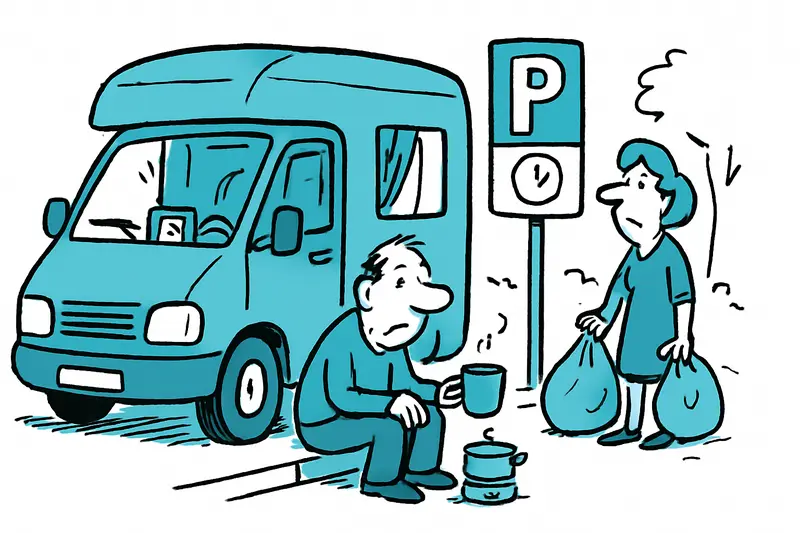
When Streets Turn into Bedrooms: Campervans and the Housing Shortage in the Orange Valley
More and more workers are trading rented apartments for motorhomes. In the Sóller valley the conflict between residents,...

Weeze expands: New terminal makes travel to Mallorca easier
The Lower Rhine Airport in Weeze is expanding its capacity: a new arrivals building, separate Schengen/non‑Schengen area...

Weeze is getting bigger – a good sign for Mallorca travelers
The small Lower Rhine airport in Weeze is getting a new arrivals terminal of around 4,900 m². More space, separate arriv...

Of Bridges and Souls: Montiel and Estelrich Bring Songs to Castell de Bellver
On August 25 Maria José Montiel and Miquel Estelrich perform at Castell de Bellver — an evening of songs from Spain, Fra...
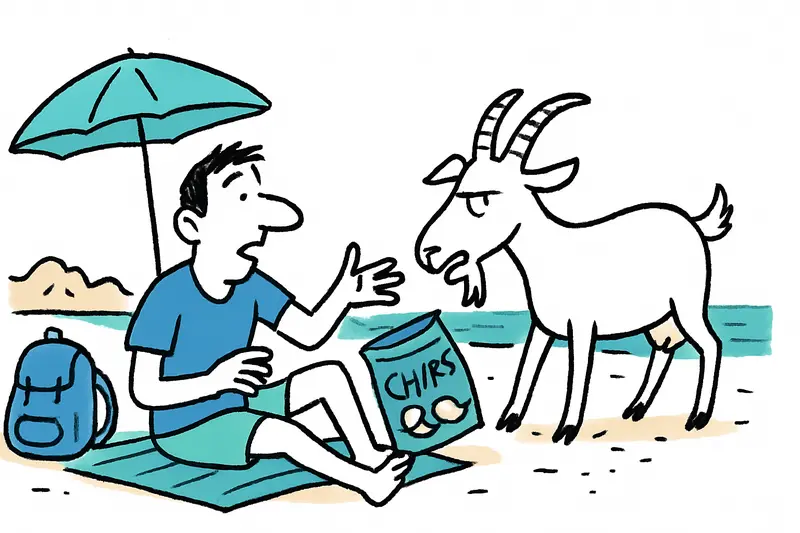
When the Goat Wants the Chips: Beach Visit in Cala Sant Vicenç and a Bigger Problem
A wild goat strolls along the beach of Cala Sant Vicenç between coolers and beach bags and steals a bag of chips. The sc...
More to explore
Discover more interesting content

Boat Tour with BBQ along Es Trenc Beach
Private transfer from Mallorca Airport (PMI) to Pollensa
