
Ca’n Garrit in Calvià – A Tavern Breathing Since 1905
Ca’n Garrit in Calvià – A Tavern Breathing Since 1905
In the middle of Calvià’s Carrer Mayor 45 stands an establishment that combines tradition and fresh craftsmanship: Ca’n Garrit. A look at the kitchen, the atmosphere and what the village appreciates about it.
Ca’n Garrit in Calvià – A Tavern Breathing Since 1905
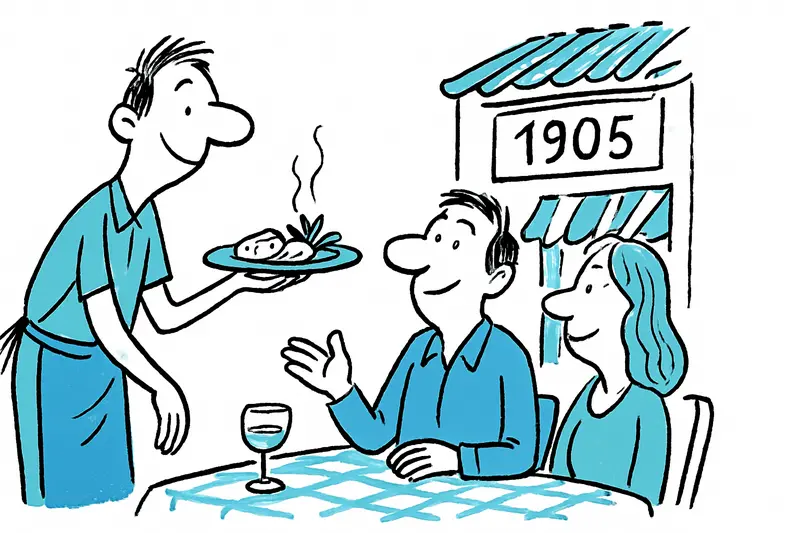
If you stroll through Calvià’s old town on a mild evening, the low murmur on the plaza and the clatter of cutlery on Ca’n Garrit’s terrace are hard to miss. The building on Carrer Mayor 45 bears a plaque noting the year 1905 – and anyone who steps inside immediately notices: history here is not just decoration, it’s part of the menu.
The place is today run by a young crew who leased the building from a Mallorcan family. Four restaurateurs who met in the kitchens of large establishments brought hotel experience and focused on artisanal cooking with a Mediterranean base. Before taking the plunge into the village business they had already set up a small vermouth boutique at the Santa Catalina market – a kind of testing ground for seasoning, tapas and direct guest contact, not unlike Ca'n Ela in Palma.
The menu features hearty, carefully prepared dishes: soups and salads alternate with fish from the market, plates of grilled meat and homemade pasta. Many components are made in-house: sauces, pickled vegetables and marinades don’t come from a jar but from the kitchen behind the counter. You can taste the difference. One example: crisp breaded asparagus spears with a piquant mustard mayonnaise, accompanied by smoky notes from grilled eggplant that is sometimes served as a small roll in filo pastry.
The fish dishes follow the catch of the day but often receive a small, unconventional twist – grilled squid on escalivada, a fish fillet with smoked butter or a vinaigrette that ties everything together. For meat the house relies on charcoal in the oven, for example with a leg of lamb with jus or a pink-roasted roast beef served with roasted vegetables.
Those thinking only of traditional guests will be surprised: the menu also includes a Wiener schnitzel – finely fried, as a small nod to the many German-speaking regulars who have long appreciated the place. The menu is rounded off by homemade desserts; a tart with caramelized lemons and house-made citrus ice cream is particularly memorable.
The dining room feeling is intentionally intimate. Inside it’s cozy; outside you sit on the small plaza like on an open village veranda. The service feels relaxed, recognizes many faces and explains dishes with the confidence of people who like their products and value their guests. Prices are mid-range – neither cheap nor exorbitant, more the kind that makes you want to return.
For Mallorca a place like this matters because it connects two things: the memory of a century-old establishment and the energy of young hosts who take craft seriously. Such concepts keep villages alive; they are not museums but meeting points like the Fira del Variat in Pere Garau where people eat, talk and share the day.
My small tip for visitors: snag a table on the terrace, for example just before sunset. Then you can watch neighbors carry their shopping home, tourists pause in the lane and how the light warms the old façades. A place that sounds like 1905 but cooks in the now.
If more chefs on the island worked like this – inventing ingredients, developing their own sauces, paying attention to quality when grilling – we would have more afternoons and evenings like these: relaxed, well fed and with the feeling that gastronomy here still has something to do with community, from village terraces to local gatherings such as Ten Years of T Golf Calvià.
Frequently asked questions
What is the best time of year to visit Mallorca for warm weather and swimming?
Are the beaches in Mallorca safe for families with kids?
What should I pack for a trip to Mallorca in spring or autumn?
How easy is it to get around Mallorca without a car?
Is it safe to swim in Mallorca’s sea year-round?
What are the must-do water activities in Mallorca?
Which Mallorca towns are good for a day trip from Palma?
What should I know about Mallorca’s coastline and tides?
Similar News

Why Spain's housing crisis is driving snap elections — and what Palma must learn
The evacuation of an 87-year-old, failed rent decrees and tent camps in Palma: the housing crisis has escalated national...

Autumn Holidays Begin: Why Suitcases Are Disappearing Again in Mallorca
Just in time for the autumn holidays, lost suitcases are piling up at Palma airport. Who is to blame — the weather, tigh...

Season Opening at the Auditorium: Elgar, Strauss and an Evening for Listening
On October 8 the Orquestra Simfònica de les Illes Balears brings two musical extremes together in Palma: Elgar's intimat...

Severe motorcycle crash at Portals Nous: Why an open-face helmet and the slope can be dangerous
In the night to Friday a 48-year-old rider crashed on the Ma-1 near Portals Nous (km 9). He was taken to Son Espases wit...

Boating in Mallorca: Which License Applies? A Reality Check
Since early October: rental boats only with proof of competence. What this means for residents and holidaymakers, which ...
More to explore
Discover more interesting content

Can Cap de Bou

Townhouse Lleo 72
