
Capdepera tightens parking rules in residential zones
Capdepera tightens parking rules in residential zones
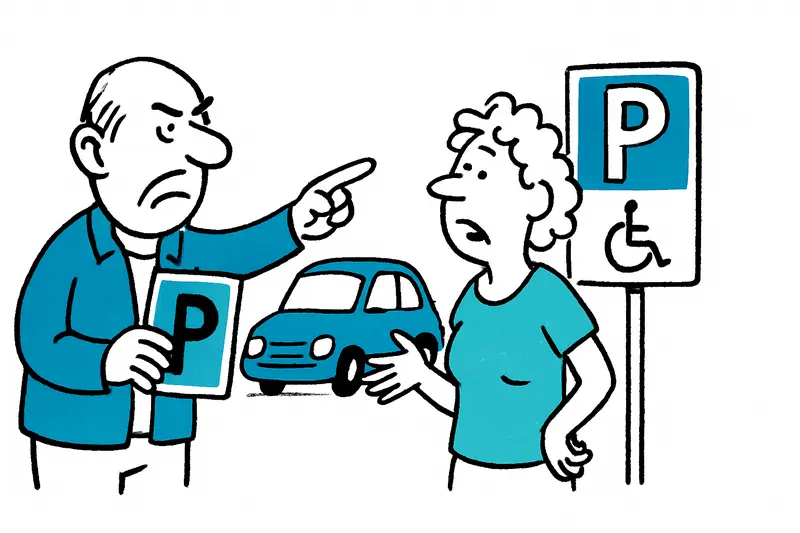
Capdepera has introduced new rules for residential zones: only vehicles with a municipal permit may park. Short parking time limits and additional disabled spaces are new — but many questions remain.
Capdepera tightens parking rules in residential zones
Key question: Are visible permits and 15-minute short-stay spots sufficient to sensibly regulate daily life, commerce and visitor traffic in Capdepera?
Since this week, Capdepera has implemented changed regulations for the so-called zonas de residentes: only vehicles with a valid municipal permit are allowed to park. Eligible vehicles include residents displaying a clearly visible permit, emergency and service vehicles, people with reduced mobility and vehicles with temporary permission, for example during construction work or moves. This echoes moves such as Palma tightens ZBE control: Drivers with foreign license plates now need an extra permit.
In addition, two short-term parking spaces for cars and three for motorcycles have been designated, each with a maximum duration of 15 minutes and valid daily between 8 a.m. and 8 p.m. Two additional disabled parking spaces have also been added.
On the cobblestones of the old town, between Carrer del Pont and the Plaça de l'Església, the rule looks neater on paper than in everyday life. A Tuesday morning: the church bell rings, delivery vans manoeuvre, a parcel courier checks his watch — 15 minutes are tight when, unexpectedly, a larger parcel or a machine needs to be unloaded. For many businesses this means having to replan logistics or accept additional trips.
Critical analysis: The new regulation shifts availability and use of parking. It favours regular users with permits and makes life harder for occasional visitors and business operations. The few short-term spaces are a stopgap but can hardly cover the demand for deliveries and time-limited stops. Moreover, it remains unclear how enforcement will take place, what sanctions are planned and how short-term permits will be issued, as seen in Police clear parking chaos in Palma industrial areas — checks, towing, open questions.
What is missing from the public debate: concrete information on fees for resident or temporary permits, details on application procedures and a clear transition period. The perspectives of small shop owners, craftsmen and tourist hosts have so far received little attention. Likewise, it is not clear how day visitors or families who only need a short stop will be accommodated. Past disputes over police-directed diversions highlight who bears responsibility in such cases, for example Who pays when the police direct drivers into a residents-only zone? A Mallorca farce with consequences.
Concrete solutions that the municipality should consider:
• Clear signage and information material: Signs at access points, leaflets in shops and an information page on the municipal website so that visitors unfamiliar with the area do not find themselves unexpectedly without parking options.
• Digital short-term tickets: A simple app or SMS solution allowing visitors to buy 15- or 30-minute tickets; temporary codes for tradespeople and removal companies.
• Flexible delivery windows: Keep certain streets free for deliveries in the mornings, indicated by temporary or digital displays.
• Grace period with information campaign: Two to three months of warnings instead of immediate fines, accompanied by outreach at the weekly market and town hall.
• Transparent fees and simple applications: Clear price lists and a fast online application for short-term parking permits.
A small everyday scene to finish: in the late afternoon two retirees sit on a bench at the Plaça and watch a courier on an e-bike deliver a parcel in no time. They smile: rules are necessary, they say, but they should not complicate life.
Concise conclusion: Capdepera has recognised the parking problem and acted. Without transparent information, practical delivery arrangements and a genuine transition period, however, the measure risks creating more discontent than relief. The municipality should now adjust course — with clear communication, digital short-term solutions and a listening ear for residents and businesses, as other towns have faced similar debates such as Sóller wants to tame the parking chaos: Three parking lots and 300 resident spaces — is that enough?.
Frequently asked questions
What kind of weather can I expect in Mallorca in spring?
Is Mallorca warm enough for swimming outside the peak summer season?
What should I pack for a trip to Mallorca in the shoulder season?
When is the best time to visit Mallorca for outdoor activities?
Is Palma de Mallorca good to visit when the weather is mild?
What is Sóller like to visit in spring?
Is Alcúdia a good choice for a beach holiday in cooler months?
Can you still hike in the Tramuntana mountains in Mallorca outside summer?
Similar News

Magaluf: Watchtower Alarm – Lifeguards Pull Unconscious Beachgoer from the Water
After a drama in the late afternoon, two lifeguards at Magaluf beach rescued an unconscious 44-year-old man. He was stab...

Turquoise in the City: How dangerous is the color play of the Sa Riera?
The Sa Riera in Palma suddenly turned turquoise — a pretty motif, but behind the effect lies a discharge of saline waste...

Jeckliner at Sunnesching: Cologne spirit sets sail from Palma
In September 2027 the Mein Schiff 2 briefly becomes a floating carnival stage: four days with Cologne bands, comedy and ...
Finally Home: Mike and Leyla Heiter Buy Villa with Sea View in Mallorca
The reality TV couple Mike and Leyla Heiter have bought a house in Mallorca with a roof terrace and sea view. An Instagr...
Arrest after series in Palma: Who protects apartments from repeat offenders?
The National Police arrested a man in Palma who investigators say may have broken into several apartments. In one incide...
More to explore
Discover more interesting content

Can Cap de Bou

Townhouse Lleo 72
