
Card Payments on Palma's City Buses: A Small Ritual, Big Relief
Card Payments on Palma's City Buses: A Small Ritual, Big Relief
EMT is introducing contactless card payments across its entire fleet. Some buses already have the system; old ticket formats are no longer valid — refunds possible until July 31, 2026. What this means in practice for passengers on Mallorca.
Card Payments on Palma's City Buses: A Small Ritual, Big Relief
By the end of March the entire fleet should be retrofitted — many passengers are already paying contactlessly
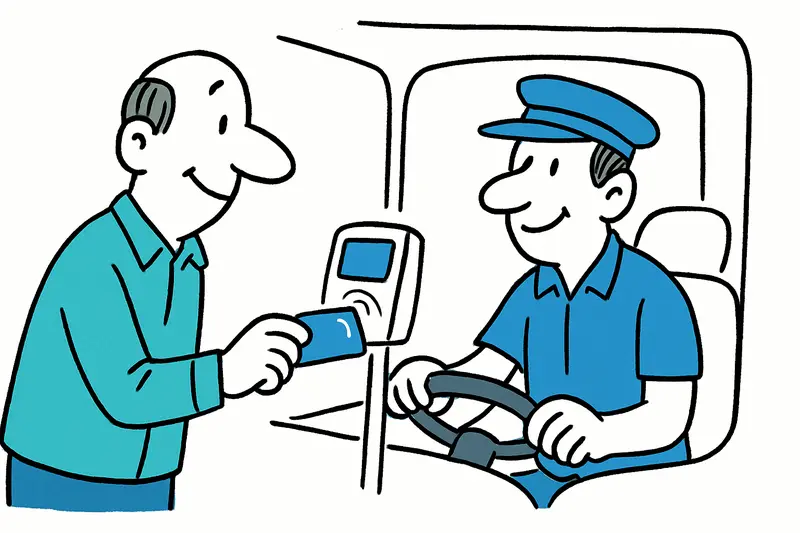
At the Plaça d’Espanya stop on a cold morning you often see the same picture: commuters with coffee to go, an older woman balancing her shopping bag, and tourists with suitcases waiting for the bus to the airport. On buses that have already been retrofitted, there has been something new for weeks: people briefly tap their card or phone on a small reader — boarding gets faster, the queue at the door shorter.
The facts are concise: in around half of the EMT buses the new system is already running, about 134 vehicles are equipped. The goal is for the entire fleet to allow direct payment by bank card by the end of March. The measure is part of One Ticket for Everything in the Balearic transport network and is intended to make life easier for both commuters and tourists.
Important for anyone who still has old tickets in their wallet: as of today some ticket types are no longer valid on city buses, including the classic ten-ride ticket and unused tickets for the port or airport. Anyone who possesses such papers can have them refunded at EMT customer service until July 31, 2026. So take another quick look: that old plastic slip in your wallet could soon be worthless.
Why is this noticeable on Mallorca? One example: line 1 toward Paseo Marítimo fills up quickly in the morning. If each passenger spends only seconds paying by card instead of looking for change, it significantly reduces boarding bottlenecks. That means less crowding at busy stops like Plaça de Cort or Passeig Mallorca, and buses can keep to the timetable more easily.
Another everyday effect: less cash on board means less change-related stress for drivers. This is not a luxury — you feel it in small ways: drivers can focus on traffic instead of counting change at the front door. And visitors who are only on Mallorca for a short time adopt the connection immediately as a matter of course: pull out the card, tap briefly, move on.
Of course, such a change also raises questions. Older passengers who have used the ten-ride ticket for years need information and support. At stops you often see people arrive, look at the reader and feel briefly unsure. A friendly hint, an explanatory sign or a short demonstration by staff is often enough to remove reservations.
What can EMT do to ensure the rollout is well received? First: clear, multilingual notices at stops and on buses (Catalan, Spanish, English, German) and simple step-by-step instructions on the device. Second: temporary contact personnel at major hubs like Estació Intermodal or the port to help the first time. Third: clear information on refunds for old tickets and customer service opening hours so no one arrives at a closed door.
For the medium-term view, it would make sense to further develop digital payment options: One card for all of Mallorca, and the ability to store payment methods in regional services. That would be practical for locals and tourists alike and would truly complete fare integration in the Balearics.
You can already notice small changes on the street: stops look tidier, boarding is smoother, and in cafes along Avinguda Jaume III passersby talk about how straightforward card payment has become. Not every innovation is spectacular, but these small everyday conveniences add up — especially in a city that lives from commuters and visitors.
In short: anyone who still has old ten-ride tickets or unused port and airport tickets should plan a visit to EMT customer service. Regular bus users can expect faster, simpler payments. And for Palma as a whole that means: less loose change, less rush, more time for the nice things — a slow walk along the Paseo Marítimo, for example.
Outlook: With patience, clear information and a few people helping at the main stops, the switch can become a real everyday gain for the island. A small ritual, big effect — that is how mobility in Mallorca feels when the technology keeps up.
Frequently asked questions
Can you pay for Palma city buses in Mallorca with a bank card?
What happens to old bus tickets in Palma, Mallorca?
Is contactless payment on Palma buses faster than buying a ticket with cash?
What should tourists in Mallorca know before taking a bus in Palma?
Do all EMT buses in Palma accept card payments now?
Where in Palma is bus boarding most affected by slow payment?
What support is available for older passengers using Palma’s new bus payment system?
Why is card payment on Palma buses useful for everyday life in Mallorca?
Similar News

Released with Conditions: The Plus Ultra Suspicion and a Mallorcan Finca as Residence
A Dutch entrepreneur, sought in connection with the Plus Ultra case, was extradited to Spain after his arrest in Germany...

Haute Nuit in Puerto Portals: Fashion, Art and Indulgence by the Water
On October 2 the Lobster Club in Puerto Portals will be transformed into a stage for curated fashion, art and culinary e...

Magaluf: Watchtower Alarm – Lifeguards Pull Unconscious Beachgoer from the Water
After a drama in the late afternoon, two lifeguards at Magaluf beach rescued an unconscious 44-year-old man. He was stab...
Turquoise in the City: How dangerous is the color play of the Sa Riera?
The Sa Riera in Palma suddenly turned turquoise — a pretty motif, but behind the effect lies a discharge of saline waste...

Jeckliner at Sunnesching: Cologne spirit sets sail from Palma
In September 2027 the Mein Schiff 2 briefly becomes a floating carnival stage: four days with Cologne bands, comedy and ...
More to explore
Discover more interesting content

Can Cap de Bou

Townhouse Lleo 72
