
CD Recommendation: Behzod Abduraimov – 'Inferno' and the Quiet Fire at the Piano
CD Recommendation: Behzod Abduraimov – 'Inferno' and the Quiet Fire at the Piano
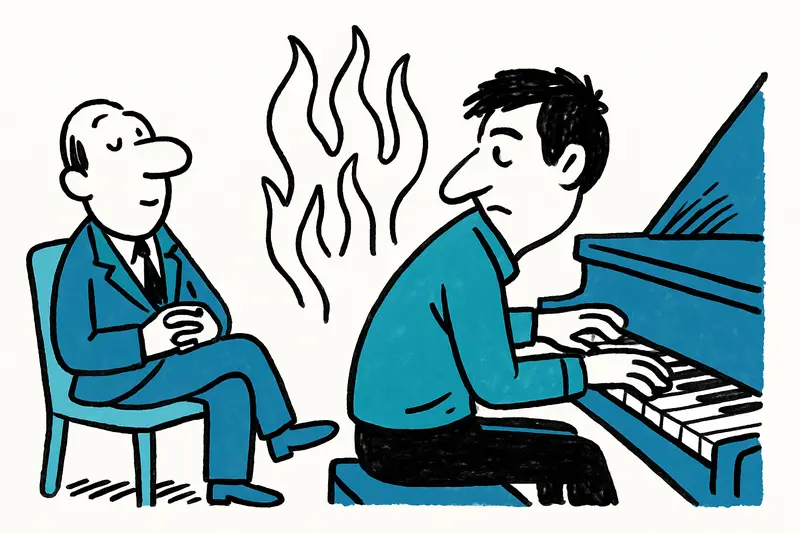
Behzod Abduraimov's new album 'Inferno' moves from Czerny's precise keystrokes through Liszt's dramatic passages to Debussy's tonal colors. A warm recommendation from Palma for a quiet evening at home or a walk to the Auditori.
CD Recommendation: Behzod Abduraimov – 'Inferno' and the Quiet Fire at the Piano
An Album That Tells More Than Just Notes
When I recently stood in front of the café at Plaça de Cort, a memory drifted from the Auditori of an evening when a pianist touched the audience in a way that's not easily forgotten. With his new album 'Inferno', Behzod Abduraimov has captured exactly that feeling on record: not loud showmanship, but an inner glow that only becomes apparent on close listening.
The selection of pieces on 'Inferno' reads like a walk through different climatic zones of piano music. Czerny opens and surprises: instead of a museum tone you encounter precise mechanics full of wit. Then comes Liszt's Dante Sonata, which here does not present itself as a mere firestorm but as a carefully constructed architecture of tension and release. Anyone who knows Abduraimov — and many in Mallorca still remember him from his Auditori appearance in 2022 — will recognize the same controlled urgency.
Debussy on this album feels like a clear night sky over the harbor: not a sweet idealization, but a delicate web of colors and breathing. Between these poles stand Stravinsky and Brahms, small chapters that hold the whole together. It is the art of not displaying virtuosity for its own sake, but using it as a means of expression. That is what makes the album sound distinctly different.
In Palma, when Vespas roll along the Passeig des Born and the scent of brewed coffee rises from the cafés, these are the recordings you like to put on during a quiet hour. The album suits a late evening on the balcony when the city grows quieter, or a walk along the harbor pier when the lights of the boats flicker. It is music for listeners who like to linger.
What appeals to me about Abduraimov's playing is the balance between head and heart. Technical brilliance is, of course, present, but here it serves an inner logic. The dramatic outbursts therefore feel genuine; they seem to come from a steady inner pressure, not from the desire for effects. This is a mature, self-assured approach that reminds me of concerts where you have the feeling: someone is telling their version of the music.
For Mallorca this kind of album is valuable for several reasons. First, it keeps the memory of live evenings fresh and makes you want to attend concerts at the Auditori or in smaller halls, as shown in a review of a Wagner and Bruckner concert in Manacor. Second, it brings piano music to people who might otherwise listen more to pop or chillout; in an hour at a market or a café such a recording can open doors. And third: it is an offering for the many who live and work here and want to hear something real in the evenings — not just background music.
Practical tip: If you feel like it, listen to the album during a walk through the old town — the alleys do not swallow the sound, they give it space. And if you prefer to experience the interpretation live: watch the season's concert programs closely; a pianist with this profile will surely return to Palma in the coming years, as contexts like a review of the Beethoven Ninth at the Auditorium under Pablo Mielgo show how programming and interpretation keep audiences engaged.
A small, personal image to finish: after a long Tuesday I put my headphones in my bag, walked along the seafront and noticed how some passages from 'Inferno' met me exactly where city noise and everyday worries were left behind. For me, that is the true strength of the album: it accompanies and transforms the moment without loudly proclaiming that it is something special.
Conclusion: 'Inferno' is not a plea for virtuosity at any price. It is an album that brings musical opposites together with a steady hand and a clear eye. For anyone who wants to understand piano music not as a relic but as living breath, it is a rewarding encounter — recommended for long evenings in Mallorca and any quiet pause in between.
Frequently asked questions
What is the weather usually like in Mallorca in spring?
Is Mallorca warm enough for swimming outside the summer season?
What should I pack for a trip to Mallorca in spring?
Is spring a good time to visit Mallorca?
What can you do in Mallorca when the weather is mild?
What is Palma like in spring?
Are Mallorca beaches crowded in spring?
When is the best time to enjoy outdoor activities in Mallorca?
Similar News

Magaluf: Watchtower Alarm – Lifeguards Pull Unconscious Beachgoer from the Water
After a drama in the late afternoon, two lifeguards at Magaluf beach rescued an unconscious 44-year-old man. He was stab...
Turquoise in the City: How dangerous is the color play of the Sa Riera?
The Sa Riera in Palma suddenly turned turquoise — a pretty motif, but behind the effect lies a discharge of saline waste...

Jeckliner at Sunnesching: Cologne spirit sets sail from Palma
In September 2027 the Mein Schiff 2 briefly becomes a floating carnival stage: four days with Cologne bands, comedy and ...
Finally Home: Mike and Leyla Heiter Buy Villa with Sea View in Mallorca
The reality TV couple Mike and Leyla Heiter have bought a house in Mallorca with a roof terrace and sea view. An Instagr...

Arrest after series in Palma: Who protects apartments from repeat offenders?
The National Police arrested a man in Palma who investigators say may have broken into several apartments. In one incide...
More to explore
Discover more interesting content

Can Cap de Bou

Townhouse Lleo 72
