
Cliff Jumping in Mallorca: One Jump, Many Questions
After the serious accident of a 17-year-old at Cala Varques: Why do cliff edges so often end up in hospital beds? A reality check with a everyday scene, gaps in the discourse and concrete proposals.
Cliff Jumping in Mallorca: One Jump, Many Questions
Why an afternoon at Cala Varques must not be dismissed as a harmless dare
On Friday afternoon a teenager was seriously injured at Cala Varques after jumping into the water from about ten metres high. Emergency services, the fire brigade and the helicopter "La Milana" retrieved the 17-year-old from the cove and flew him to Son Espases Hospital in Palma. The facts are sparse but clear: one jump, an impact on the back, severe injuries and a coastline that is difficult to access.
Key question: Why do so many accidents on Mallorca's cliffs end up with rescues or in hospital beds, even though the dangers are often obvious?
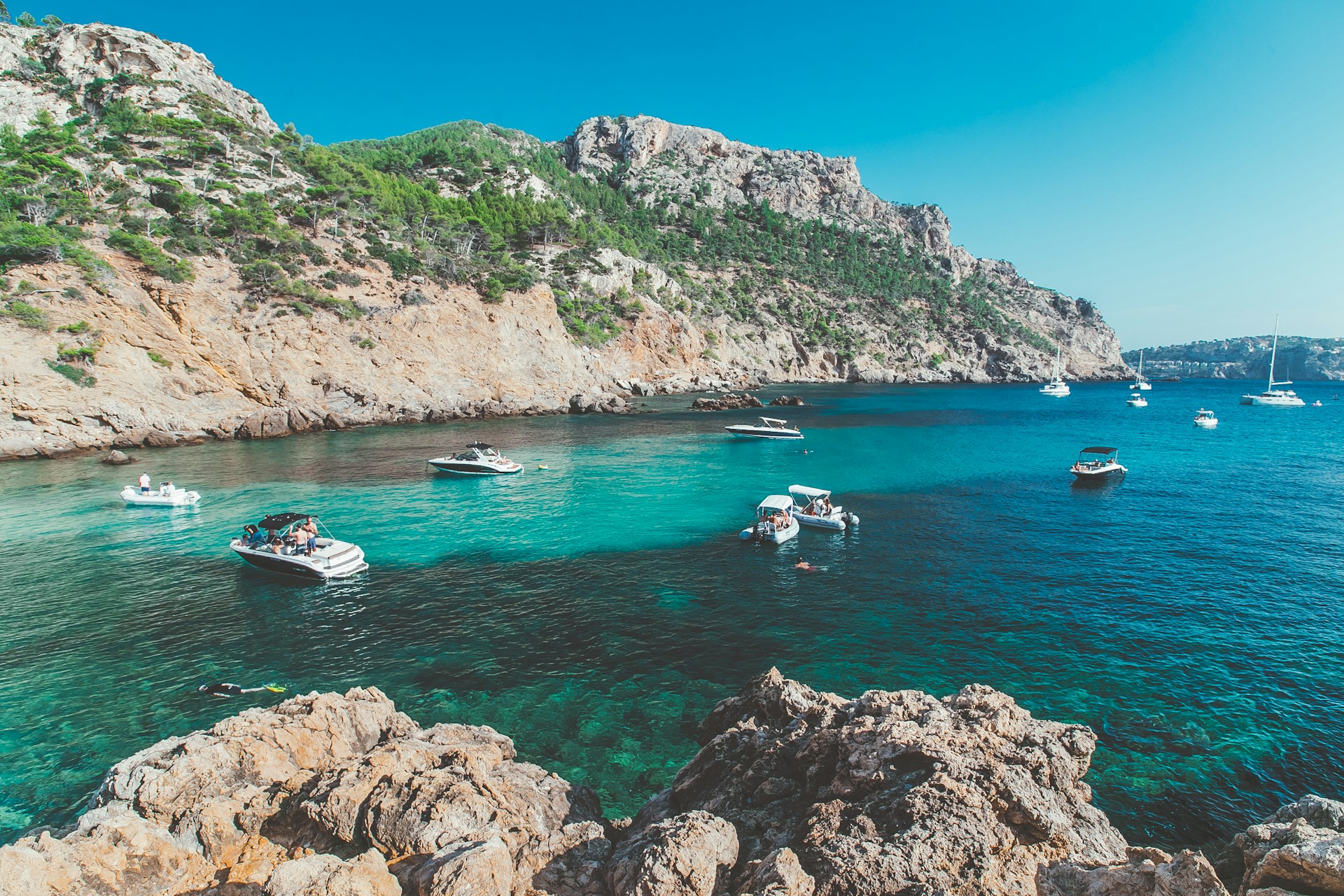
The answer is not a single cause but a patchwork of habit, information gaps and infrastructure problems. Cala Varques is a wild cove: steep rocks, a dense scrub path from the car park, and often no mobile phone reception in the shady gorges. On a hot afternoon you can hear the cicadas, waves hitting the cliffs, teenagers laughing and daring each other to jump — and in that atmosphere risks are underestimated. Scenes like this are common in summer — groups on the edge of rocks, shoes placed in a circle on the sand, backpacks on stone slabs, and somewhere in the distance the faint hum of an ambulance that arrives here only late. This echoes When Dares Turn Deadly: Examining Cliff Jumps on Mallorca's East Coast.
Critical analysis: public debate usually focuses on individual accidents — then people play the empathy card, call for more police presence or write alarming headlines. Such coverage was seen after the Tragic Fall in Cala Sant Vicenç: A Wake-Up Call for Greater Coastal Safety. What is missing is a view of systemic causes: insufficient signage at remote coves, lack of information for young visitors in multiple languages, hardly any coordinated prevention work by municipalities with schools and tourism associations, and the fact that rescue operations on rocky coasts are logistically far more complex than on monitored beaches.
Another blind spot is expectations: many young people measure courage in centimetres and metres. "I can do it" becomes a threat to one’s own body. Parents and hosts often notice this too late. The question of whether educational offers about coastal hazards should be mandatory in schools or holiday programmes is rarely asked.
Concrete solutions that do more than moralising: First: better, highly visible warning signs at known jumping spots and access roads — in Spanish, English and German — with clear information on depth, submerged rocks and accessibility for rescue teams. Second: digital maps marking safe areas and dangerous cliffs; tourism websites and local apps could aggregate this information. Third: targeted prevention workshops for young people during the summer months, organised by municipalities, schools and youth centres, combined with practical first-aid courses. Fourth: logistical fine-tuning for coastal rescue — regular exercises for rescue teams at hard-to-reach coves, better coordination between fire brigades, SAMU-061 and sea or air rescue. Incidents like the Fatal Rescue Attempt in Son Bauló: What Must Change on Our Beaches underline that urgency. Fifth: simple, visible infrastructure at especially popular coves — stable access paths, small helicopter landing areas outside sensitive natural zones, and fixed meeting points for rescue teams.
On Mallorca two desires clash: the wish for undisturbed, "wild" nature and the wish for safety. This cannot be solved by decree alone, but only through local commitment. An everyday scene: in the early evening a family of three makes their way down the rocky ramp to Cala Varques, followed by a few teenagers craving adrenaline. The mother takes out her phone, looks for reviews and wants to know whether it is "dangerous". Small decisions like these add up.
What is missing from the public discourse is less police rhetoric and more practical help: easily accessible information, reliable signage and a network of prevention, training and rapid rescue. Comparative analyses, such as When the Surf Strikes: Deaths in Tenerife – What Mallorca Must Learn, could inform planning. If we seriously want to prevent more young people from ending up in hospital after a jump, we need less outrage and more planning.
Conclusion: The accident at Cala Varques is tragic, but not fate to be simply accepted. With clearer information, better cooperation among rescue services and low-threshold educational offers, many such operations could be avoided. It is time to replace the romantically wild idea of bravery on the cliff with realistic safety — without barricading the place, but by making it so accessible and well-informed that the sea does not become a lottery.
Frequently asked questions
Why is cliff jumping at Cala Varques dangerous for visitors to Mallorca?
What safety steps are in place for Mallorca’s coastal spots, and what more could help?
How can families enjoy Mallorca’s coves like Cala Varques safely?
What is the best time of year to swim in Mallorca and stay safe?
What should visitors know about access and warnings at Cala Varques?
How do rescue operations work for Mallorca’s rocky coasts?
Should coastal hazard education be part of school or holiday programs in Mallorca?
What practical safety improvements are proposed for Mallorca’s coves?
Similar News
Reality Check Sa Calobra: When Photo Stops Paralyze the Mountain Road
The narrow access to Sa Calobra gets stuck in traffic every summer day: 700–800 private vehicles face only around 300 pa...
Am I old-fashioned? Why revealing swimwear in Mallorca is a small cultural debate
A presenter is surprised by skimpy bikinis in Cala Santanyí. An opportunity to talk about gaze, respect and everyday lif...
20 Years of 'Goodbye Deutschland' – Why the Anniversary Episode Also Celebrates Mallorca
The 20-year special of "Goodbye Deutschland" brings well-known Mallorca emigrants back into view. A warm-hearted look at...
Too Much for the Street: Large TV Production Paralyzes Bahía Grande
A German TV crew set up at the Bahía Grande viewpoint — trucks, tents and vehicles blocked Carrer Cristòfor Colom. Who p...
Chaos over Solar Eclipse Glasses in Mallorca: How Safe Are the Last Remaining Pairs?
Shortly before the total solar eclipse, tourists and locals are emptying the shelves of pharmacies and opticians. One cl...
More to explore
Discover more interesting content

Boat Tour with BBQ along Es Trenc Beach

Private transfer from Mallorca Airport (PMI) to Pollensa
