
Dead at the Na Torta Viewpoint in Valldemossa: What's Missing in Tramuntana Search Operations?
Dead at the Na Torta Viewpoint in Valldemossa: What's Missing in Tramuntana Search Operations?
A 62-year-old man from Valldemossa was found beneath the Na Torta viewpoint on Thursday. The circumstances of the search raise questions about organization and prevention in the Serra de Tramuntana.
Dead at the Na Torta Viewpoint in Valldemossa: What's Missing in Tramuntana Search Operations?
Guiding question: Why does it often take hours to find missing people in steep terrain — and what can the island do about it?
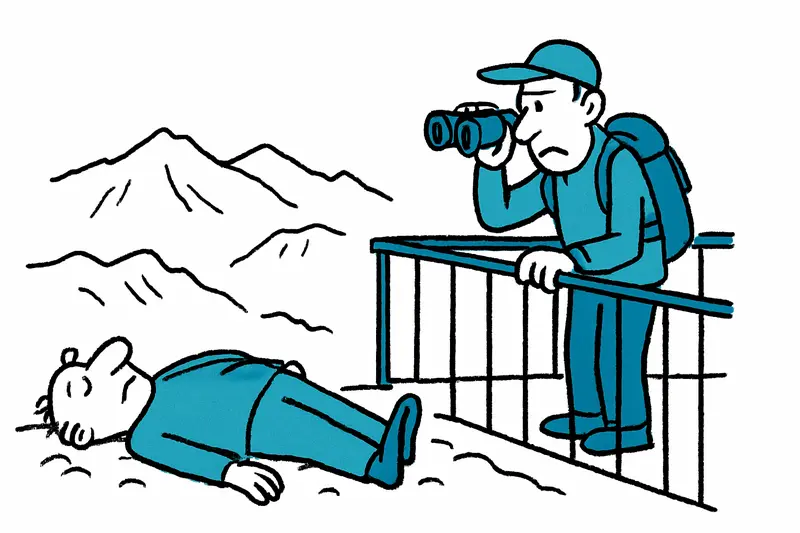
On Tuesday evening a 62-year-old man parked his white Toyota Yaris near the Valldemossa music school and then disappeared. Local police, the Guardia Civil, the Mallorca fire brigade and residents searched for him for several days. On Thursday midday the fire brigade helicopter La Milana found the man's body beneath the Na Torta viewpoint; see the news report on the discovery beneath the Na Torta viewpoint. The identity matches the available information: it is Antonio Juan R. M. The search gathered at the Magatzem Municipal; from there teams were sent into the narrow paths of the Serra de Tramuntana.
The facts are brief and matter-of-fact — the terrain in and around Valldemossa is not. Anyone who walks through the paved alleys hears church bells, feels the cold north wind of the Tramuntana on their face and sees olive trees on narrow terraces and steep drops. On clear days the view stretches far; in confusing sections paths are often no more than goat tracks, and a misstep can have far-reaching consequences.
The aerial discovery shows how important air support is, as in a helicopter rescue in Cala Deià. But it also raises critical questions: Was the search area narrowed down early enough? Was there a central command coordinating the forces? What was the radio coverage like on site — and how well informed are people about the steps to take when someone disappears into the Tramuntana?
Critical analysis
- Timing and initial information: The car was parked near the music school; that is a concrete clue. Still, hours passed until the discovery. In mountainous terrain a person's possible location can shift quickly, especially at night, as happened in the nighttime misadventure in the Torrent de Mortitx.
- Coordination: Local police, the Guardia Civil, the fire brigade and volunteer helpers searched together. Such operations only work if a clear search leader divides the area, allocates teams and requests air support in a targeted way.
- Technical resources: The helicopter discovery demonstrates the advantage of aerial reconnaissance. What is often missing, however, are widely deployed drones with thermal imaging cameras or standardized personal emergency beacons for walkers and hikers.
- Public information: Many people underestimate the Tramuntana, especially locals who go to a viewpoint 'for a moment'. There is a lack of clear warnings at dangerous spots and paths that would benefit from better marking and mapping.
What is often missing in public debate
After a discovery the sad news is usually reported quickly, but the organizational lessons are rarely discussed. There is little debate about whether municipalities need warning signs at steep sections, whether hiking trails should be checked regularly, or whether there should be a central reporting office to coordinate inquiries from laypeople. The topic of personal emergency equipment — mobile phone, power bank, whistle, simple SOS beacon — is also taken far too rarely seriously; readers can consult a guide to personal locator beacons for how such devices work.
Everyday scene from Valldemossa
At the café on the plaza the old men sit and talk about the harvest, the cat wanders among the tables, and children walk to the music school with their backpacks. An incident like this reminds the community that the mountains begin immediately behind the last houses. Many here know every stone, but that familiarity breeds complacency: one does not think that even a short evening walk can end dangerously.
Concrete solutions
- Standardized search protocols: Municipalities and rescue services should have mandatory checklists: area division, incident command, communication channels, documentation of search areas.
- Better signage and maps: Mark dangerous spots with clear signs; make designated routes available digitally and in printed form.
- Strengthen technology: Expand the use of drones with thermal imaging for night and fog operations; promote small personal SOS devices for particularly vulnerable users — see information on thermal imaging cameras used in drones.
- Volunteer training: Train knowledgeable local response teams so first searches run faster and safer without endangering helpers.
- Public education: Short information campaigns in villages and tourist offices — checklists for mountain walks, equipment tips, and instructions for behavior in emergencies.
Concise conclusion
The discovery of the 62-year-old is tragic. It also reveals gaps: not only in technology, but above all in preparation and public awareness. Valldemossa lies right at the Tramuntana; that is both a blessing and a risk. If we do not only talk about the loss but also improve procedures — in coordination, technology and public information — the likelihood that such an evening walk becomes fatal again will decrease. Responsibility does not begin only when helicopters fly, but earlier, with signs, maps and simple equipment.
Frequently asked questions
Why can searches for missing people in the Tramuntana around Mallorca take so long?
What should you do if someone goes missing on a hike in Mallorca?
Is the Valldemossa area safe for a short walk to a viewpoint?
What rescue resources are most useful in Mallorca mountain searches?
What are the biggest risks when walking in the Serra de Tramuntana?
Should walkers in Mallorca carry a personal SOS device?
Why is better signposting important on Mallorca hiking routes?
What should you pack for a walk in the Mallorca mountains?
Similar News
Magaluf: Watchtower Alarm – Lifeguards Pull Unconscious Beachgoer from the Water
After a drama in the late afternoon, two lifeguards at Magaluf beach rescued an unconscious 44-year-old man. He was stab...
Turquoise in the City: How dangerous is the color play of the Sa Riera?
The Sa Riera in Palma suddenly turned turquoise — a pretty motif, but behind the effect lies a discharge of saline waste...

Jeckliner at Sunnesching: Cologne spirit sets sail from Palma
In September 2027 the Mein Schiff 2 briefly becomes a floating carnival stage: four days with Cologne bands, comedy and ...
Finally Home: Mike and Leyla Heiter Buy Villa with Sea View in Mallorca
The reality TV couple Mike and Leyla Heiter have bought a house in Mallorca with a roof terrace and sea view. An Instagr...
Arrest after series in Palma: Who protects apartments from repeat offenders?
The National Police arrested a man in Palma who investigators say may have broken into several apartments. In one incide...
More to explore
Discover more interesting content

Can Cap de Bou

Townhouse Lleo 72
