
Dead in Palma Harbor: Who Slips Through the Net of Oversight?
Dead in Palma Harbor: Who Slips Through the Net of Oversight?
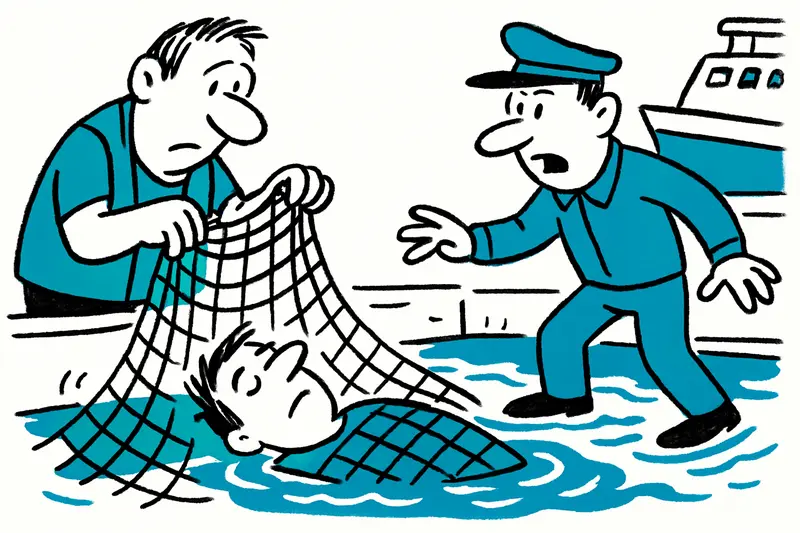
On Tuesday a male body was recovered from the Palma harbor basin. The circumstances are unclear. The body was sent for an autopsy — authorities remain silent. Which questions remain unanswered and what needs to change?
Dead in Palma Harbor: Who Slips Through the Net of Oversight?
Key question: How can it be that a person is discovered in the middle of the Palma harbor basin, authorities provide hardly any information, and the causes remain in the dark?
On Tuesday morning Guardia Civil divers pulled a dead man from the Palma harbor basin, near the commercial quay. The body was later transferred to the Institute of Forensic Medicine; an autopsy should clarify when and how the man died. Beyond these facts there was initially little information; similar limited releases followed other finds such as Body in Es Carnatge: Investigations After Discovery on the Shore. On the authorities' side: no further comment. For many on the island this rings like déjà vu, with similar incidents such as Body Recovered off East Coast: A Sign of Larger Problems at Sea?.
The scene is easy to imagine: seagulls cry above the Passeig Marítim, the air is heavy with the smell of diesel and wet nets, fishermen repair their lines on the quay, and a moored pontoon lies still in the dim January light. Amid all this, in a harbor that is traversed by people, goods and tourists, a person suddenly drifts — and goes unnoticed until the rescuers' work makes them visible.
The brutal aspect of such discoveries is not only the death itself, but the questions that remain unanswered: Who was this man? Is he a migrant who died attempting to reach the Balearic Islands by sea? Or was he a local resident, a professional fisherman, a seafarer? Investigations are ongoing; the autopsy will provide decisive clues. Until then there is room for speculation — and that is dangerous. If this was a failed sea crossing, questions arise about the effectiveness of search and rescue operations in the Mediterranean around the Balearics, a concern echoed in reports like Two Dead on Balearic Coasts: When the Sea Withholds Answers.
Critical analysis: several gaps are visible. First: visibility and control. A harbor like Palma's is not a secluded place during the day. Why wasn't the body noticed earlier? Are there blind spots in the surveillance of quays, in routine checks by port staff, harbor pilots or the coast guard? Second: prevention and the rescue chain. If this was a failed sea crossing, questions arise about the effectiveness of search and rescue operations in the Mediterranean around the Balearics. Third: information policy. The authorities' restraint in communication leads to speculation and crowds out the possibility of a sober public debate.
What is largely missing from public discourse is the connection between individual cases and structural problems: lack of safe access routes for people seeking protection, insufficient cooperation between local rescue services and the national coast guard, poor data collection on maritime accidents, and the burden on emergency personnel who regularly confront bodies and traumatic missions, as seen in incidents like Two bodies on the coast: Investigations in Ciutadella and off Alcúdia – Many questions remain.
Concrete, practical proposals for Palma and the Balearic Islands that could help clarify or prevent similar cases more quickly in the future:
1) Visible checks and regular patrols — clear responsibilities for sections of the harbor that also involve the port operator and harbor police; more frequent inspection rounds, especially in areas with low public traffic.
2) Better search and rescue coordination — closer linkage between port authorities, Guardia Civil, Salvamento Marítimo (Maritime Rescue Service) and local volunteer lifeboat organizations; joint exercises outside the summer season.
3) Transparent information policy — timely basic information for the public without compromising investigations; this reduces rumours and builds trust.
4) Data collection and exchange — systematic recording of maritime accidents around the Balearics; data are the basis for prevention and political decisions.
5) Support for emergency personnel — debriefings and psychological assistance for divers, dockworkers and police who regularly face fatalities.
Another point: if the suspicion is correct that this was a refugee by boat, then the discussion must be broadened — not only about policing measures, but about asylum routes, maritime rescue and European responsibility. In 2025 the Madrid government delegation counted 63 dead migrants in the Balearics; such numbers are not abstract statistics, they stand for people and political failures.
Everyday scene: On a windy January afternoon, someone strolling along the Passeig del Born hears coffee machines, voices from small bars, the clatter of chairs. At the same time men and women work in the harbor, untying knots and watching the sea. This proximity of normality and tragedy makes the find so poignant.
Conclusion: The recovered body is a warning signal. Besides forensic work, island society must ask questions: How can we protect more lives, how do we increase transparency in official procedures, and how do we relieve those who deal daily with death and grief? Small, concrete steps are possible — if port authorities, rescue organizations and the public tackle them together. Until the autopsy sheds light on what happened, the duty is not to remain silent.
Frequently asked questions
What happens when a body is found in Palma harbor?
Why do authorities sometimes give so little information after a death in Palma?
Could a body found in Palma harbor be linked to a migrant crossing?
How common are sea-related deaths around Mallorca and the Balearics?
What is the role of Guardia Civil divers in Palma harbor?
Are there safety concerns in Palma harbor areas with little public traffic?
What should visitors do if they see something suspicious in a Mallorca harbor?
How can Palma improve responses to deaths or emergencies at sea?
Similar News
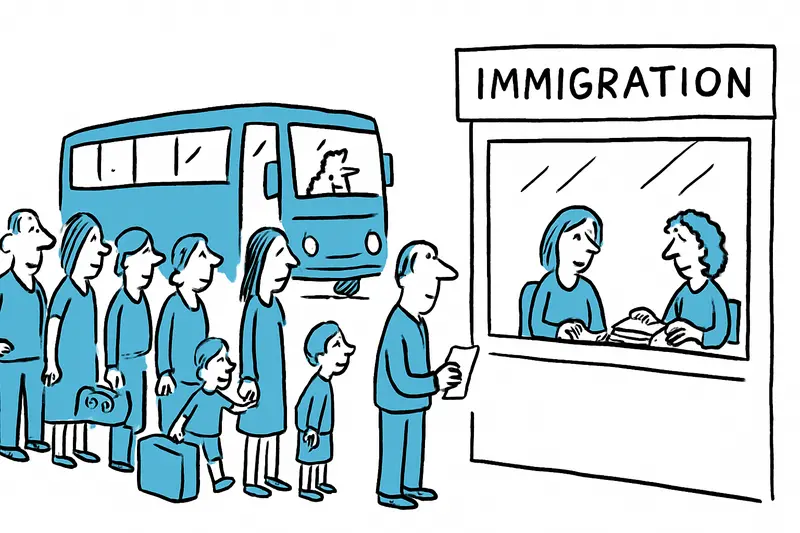
Are the Balearic Islands the Southern Border of Europe? A Reality Check on Immigration
The Balearic Islands are again calling for EU aid after a sharp rise in arrivals by sea. Conflicting priorities between ...

"Expensive chaos" and many open questions: What clients can do when a lawyer suddenly stops responding
Several clients complain that a well-known German lawyer in Mallorca has been unreachable for months. Key question: What...

TV tip: 'The Last Problem' — Mallorca as the setting of a classic crime
A classic whodunit on Mallorca: A new miniseries set in spring 1959 brings storm, an isolated hotel and a dense web of s...
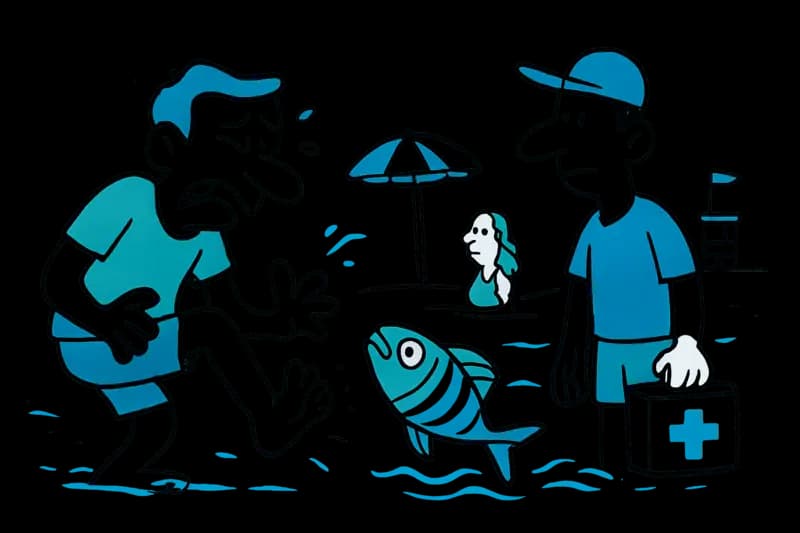
Nipping Sea Creatures: Why Bathers in Cala Major and Elsewhere Should Be Cautious
In Cala Major, bathers have reported being nipped by small fish. What is behind it, how can problems be avoided — and wh...
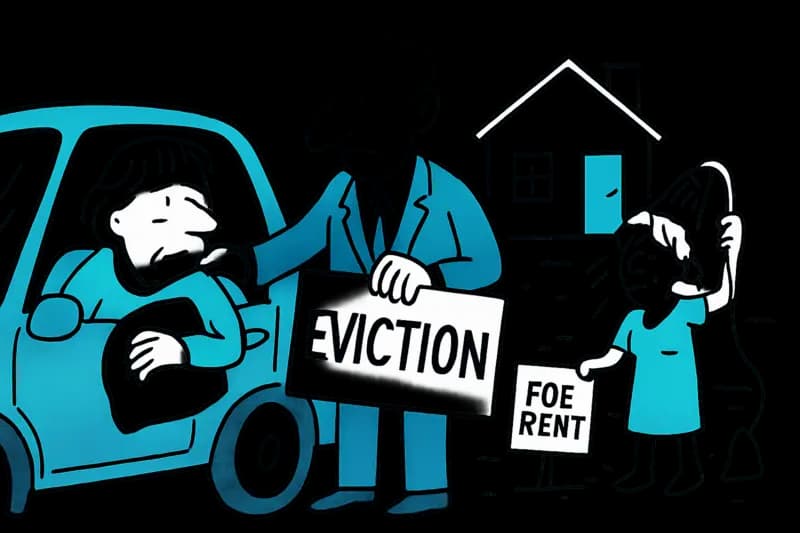
Forced eviction in Santa Catalina: When a 65-year-old slept in her car and showered on the beach — a question of responsibility
The story of Pilar López from Santa Catalina represents a problem affecting many Mallorcans: How can an island with a bo...
More to explore
Discover more interesting content

Can Cap de Bou

Townhouse Lleo 72
