
Decay by the Sea: Who Will Solve the Mystery of the Hostal in Alcúdia?
The vacant Hostal Posada de Verano between Alcúdia and Port de Pollença continues to deteriorate. Who will pay, who will act — and what options remain to finally remove the ruin?
Decay by the Sea: Who Will Solve the Mystery of the Hostal in Alcúdia?
Key question: Owner, administration or the law – who takes responsibility for the dilapidated lost place on the coast?
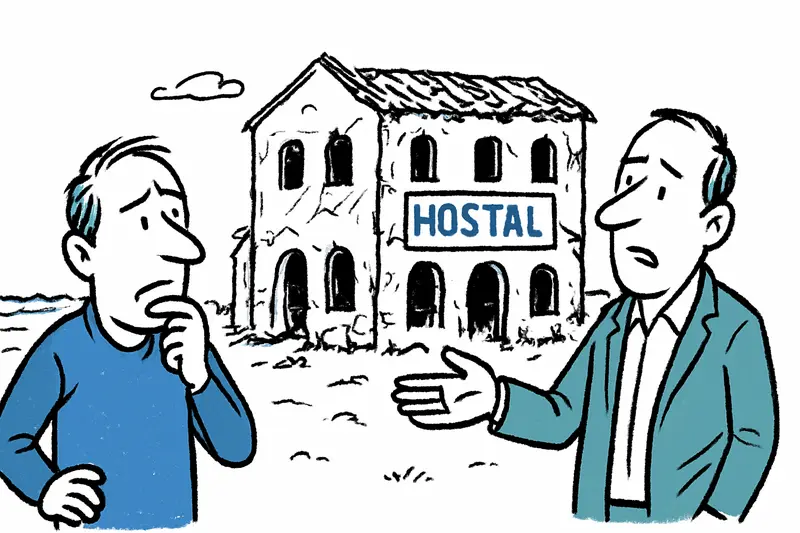
The ruin of the former Hostal Posada de Verano has stood for years like a monument directly on the coastal road between Alcúdia and Port de Pollença. Ground floor plus four further storeys, a sea-facing arcade and the faded sign that still recalls better times – the building is locked up, parts of the facade are threatening to fall, and tourists as well as locals are left with question marks.
In short: it is ugly, it is dangerous and it is a visible sign of a problem that has become no rarity in Mallorca, similar to the situation at the Espigol Apartments in Can Picafort.
The municipal administration has made it clear that it wants to turn the site into a public green space. At the same time, the owner is demanding a price the municipality has so far been unwilling to pay. The negotiation spiral has been turning for years – and nothing changes about the state of the building fabric.
Critical analysis: two realities collide here. On one side stands the public interest: safety, aesthetics, protection of the coastline and the urban planning requirement that nothing may be newly built above the ground floor. On the other side stand property rights and economic interests, hidden behind negotiations that apparently have stalled. What is missing is a clear roadmap, transparency in the negotiations and a pragmatic approach that separates short-term hazards from long-term solutions.
What often gets lost in public debate: the legal instruments exist – but they are complicated. Municipalities can take action if buildings are at risk of collapse; there are ways to oblige owners to carry out maintenance or, in extreme cases, to have the ruin officially declared. At the same time, coercive measures are expensive, time-consuming and legally vulnerable. A municipality like Alcúdia therefore faces the question of whether to spend money on a direct purchase, to pursue a long legal route or to look for other creative solutions.
Everyday scene: It is a mild December morning, the sun peeks low over the sea, joggers on the coastal road breathe salty air, older couples stroll with dogs, fishermen cast their nets. As they pass, they stop briefly to photograph the ruin or simply curse the sight. A boy shows his mother the hole in the fence through which curious 'urban explorers' used to crawl into the cellar. The place has become part of everyday perception – and that is not only aesthetically unpleasant, it poses real dangers; incidents such as the report that a corpse found in Alcúdia disco ruin: Who is responsible for decaying places? underline how perilous neglected sites can be.
Concrete approaches the city should consider:
1) Short term: safety before symbolism. Immediate measures to secure the facade and surroundings are necessary: mesh netting, temporary scaffolding or barriers, clearly visible warning signs and regularly checked closures. This prevents accidents and keeps vandals from entering the ruin.
2) Medium term: independent valuation and mediation. A neutral assessment by experts, combined with a mediation session, can establish which sums are realistic. An open negotiation phase, accompanied by transparency toward citizens, would be important – not only the figures but also the deadlines.
3) In parallel: review of formal instruments. The administration should examine whether declaring the building as ruined, an administrative measure to force maintenance or even expropriation for public purposes is legally feasible and economically sensible. These paths are possible but lengthy and costly; they require robust expert reports and clear political decisions.
4) Financing and design. If a purchase appears sensible, funding sources must be identified: the municipal budget, support from the island council or project-related grant programs. In parallel, a design competition for conversion into a small green area or a coastal strip with native plants could be considered – conceived by landscape architects in cooperation with local groups.
5) Involving the neighbourhood. People who pass the ruin every day should have a say. A short citizen dialogue creates acceptance for measures and prevents later disputes. At the same time it must be clear: volunteer work can only take place for safety reasons once the site has been secured.
What is currently missing: more public information about the status of negotiations, clear deadlines and a careful weighing of the costs to the municipality against the costs to society if nothing happens. No one talks enough about the follow-up costs – from possible accidents to damage to the tourist image to long-term soil contamination if old materials were stored improperly; recent coverage of a body found in a disco ruin in Alcúdia is a stark reminder of those stakes.
A small, pointed conclusion: the ruin is not only an aesthetic problem, it is a test of the ability of local politics to act. The simple message to the owner and the administration is: secure, negotiate, assess, act. The patience of neighbours is exhausted, the patience of tourists is short. It is time to make decisions that restore the place to what it deserves to be: safe, accessible and no longer a photo motif for decay.
And one last, somewhat sharper thought: those who enjoy the sea air do not want to constantly think about wrecking balls or negotiations. If the administration and the owner do not make progress soon, only the next step remains – and it will be costly for no side.
Frequently asked questions
Why is the former Hostal Posada de Verano in Alcúdia still standing in such poor condition?
Is it dangerous to walk past abandoned buildings on Mallorca’s coast?
What can a municipality in Mallorca do about a ruin that is not being maintained?
What is planned for the old Hostal Posada de Verano site in Alcúdia?
Can a ruin in Mallorca be declared officially unsafe or derelict?
Why do abandoned buildings in Alcúdia matter to local residents and tourists?
What is the best way to secure an abandoned building in Mallorca short term?
Where is the old Hostal Posada de Verano located in Mallorca?
Similar News
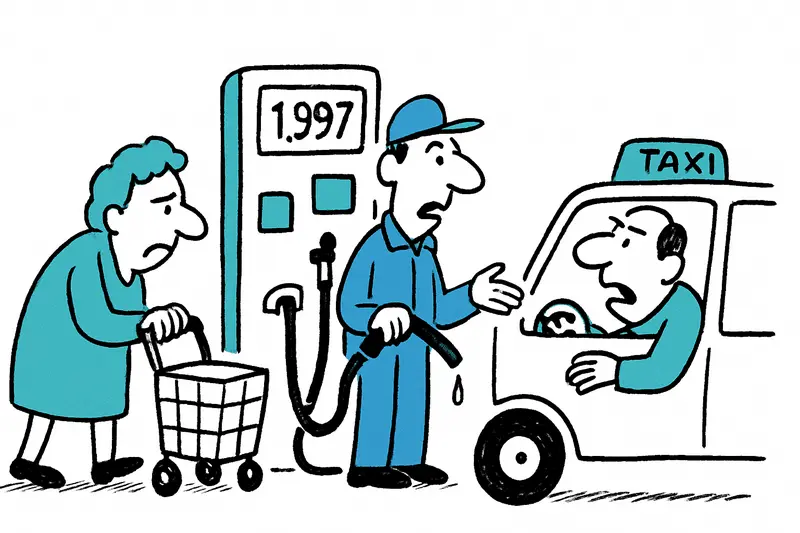
The End of the Cheap Ride? Why Mallorca Is Hit Harder by the Fuel-Price Shock
Gasoline and diesel average close to two euros per liter. What this means for commuters, supply chains and renters in Ma...
Relaxed liquid rules in Munich: What Mallorca travelers will notice
At Munich Airport the 100-milliliter rule will be lifted at all checkpoint lanes — thanks to new CT scanners passengers ...
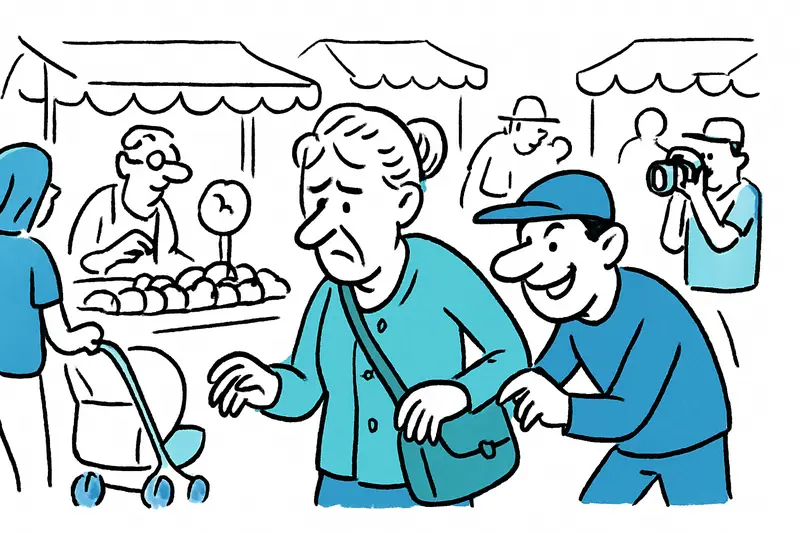
For 45 Years on Mallorca — and Then This: How a Market Visit in Santa Ponsa Became a Lesson
A woman who has lived on the island for decades lost money and important documents at the Mercat Setmanal in Santa Ponsa...
10 percent surcharge on the beach: How legal and transparent is the extra charge at Playa de Muro?
A German part-time resident noticed days after a restaurant visit in Playa de Muro that the bill included a flat ten per...

Body near the Llevant Market: What this death says about our city
A man was found dead on Sunday afternoon near the Llevant Market. Police say the death appears natural. The scene raises...
More to explore
Discover more interesting content

Can Cap de Bou

Townhouse Lleo 72
