
More planes, same airport: Why Palma Airport is experiencing more delays right now
As the holiday period ends, runways, gates and baggage carousels at Palma Airport are being pushed to their limits. Between strikes and packed schedules: what's behind it and what helps?
Why Palma Airport is currently seeing more delays
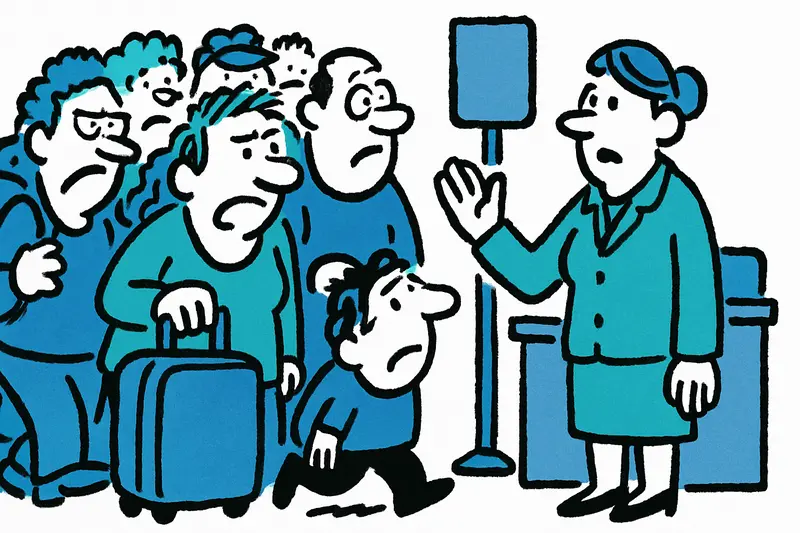
The question arises: Is this just the usual summer rush — or is there a deeper problem in the airport's infrastructure and organization? Anyone who has stood in the arrivals hall in recent days knows the scene: slow baggage carousels, subdued voices, repeated announcements. The coffee in the departure hall suddenly tastes like waiting, a scene described in Storm Chaos in Palma: Why a Storm Slows the Airport So Much — and What Needs to Change.
End of holidays exposes the bottleneck
Quite simply, it starts with the calendar. Summer holidays in large parts of Germany are ending, and many families return home at the same time. Mallorca is tightly scheduled: almost a thousand movements a day, numerous short-haul flights, and the usual charter waves. When everyone wants to go home at once, small delays immediately become big — a delayed baggage carousel or a narrow boarding window is enough to push departures back.
Less buffer, tighter operations
One aspect that's often overlooked: airports and airlines operate with very tight buffers. Aircraft are optimally utilized and turnaround times are calculated narrowly. That saves costs, but it makes the system sensitive. A delayed boarding or slow loading leads to chain reactions. On the apron side, gates are not unlimited — those who arrive late stand in line. And the sound of trolleys, the beeping of baggage scanners and the multilingual announcements form the backdrop when things stall.
Strikes worsen the situation — and why that feels so impactful
Announced walkouts by a handling company hit the system at peak times: morning, noon and evening. Less staff means less cabin cleaning, slower check-in, delays in baggage handling. This is not just a comfort issue for travelers; it's a logistical bottleneck. Because many work steps have to take place in sequence, a weak link is enough to slow the whole chain.
What is rarely discussed
There are several factors that often get overlooked in public debate: first, the concentration on a few handling providers. If one fails, redundancy is immediately missing. Second, seasonal staffing policies: many temps are new and less experienced — that prolongs processes. Third, the planning of flight schedules themselves: airlines prefer high load factors and schedule tight connections instead of building in reserves. And fourth: the boundary between short-term disruptions and structural expansion. More flights do not automatically mean more gates, more baggage belts or more apron space, and short-term disruptions such as severe weather have been shown to magnify bottlenecks in reporting like Storms in Palma: Why Takeoffs and Landings Are Stalling — and What Helps Now.
Concrete steps that could help
There are both short-term and medium-term solutions: in the short term, airlines and the airport operator should coordinate more intensively — intelligently staggering departures during peak times would already alleviate much. Handling companies should have contingency plans with staff pools and overtime allowances, a need highlighted during incidents such as Severe storm halts Palma Airport: Why delays hit inter-island services and travelers especially hard. Practical tips are helpful for travelers: arrive early at the airport, keep essentials in carry-on, choose earlier connections where possible, check in luggage online or travel light.
In the medium term, investments would be needed: additional gates, modern baggage sorting systems and better IT systems for real-time communication between airlines, ground staff and passengers. Diversifying ground service providers could also reduce failure risks. And not least: fair, sustainable pay agreements with staff — strikes are often a symptom of deeper problems.
What travelers can do in practice
For those flying soon: allow extra time, check flight status regularly, keep medications and important documents in carry-on. An early connection is less susceptible to chain reactions. If you can afford it, use a lounge or book flexible fares. And a small tip from the arrivals hall: when the baggage carousel is slow, patience often helps — and a friendly look to the staff in their orange vests. They are working hard.
The situation is annoying, but so far not a cause for panic. However, it clearly shows where Palma is operating at its limits: more passengers with largely unchanged infrastructure and personnel tensions. If we don't just talk about delays but also about causes and possible solutions, the next holiday waves can hopefully be managed more calmly.
Frequently asked questions
Why is Palma Airport delayed so often during summer?
What should I do if my flight from Mallorca is delayed?
Are strikes causing delays at Palma Airport?
How early should I arrive at Palma Airport when flying from Mallorca?
Why do baggage claim delays happen at Palma Airport?
Is Palma Airport more affected by delays at the end of school holidays?
Can bad weather in Mallorca cause flight delays at Palma Airport?
What improvements could reduce delays at Palma Airport in Mallorca?
Similar News

Masked Images, Real Panic: When Social Media Aesthetics Alarm Neighbors
Five German content creators filmed on a recently vacated detention site using deceptively realistic props. The result: ...
Why the Striped Breams in Cala Pí Should Be a Wake-up Call
Once again bathers in Cala Pí were surrounded while swimming by small, nippy fish — some wounds bled. Time for clear rul...

Daily from New York: How Palma's Air Traffic Is Growing — and What Must Change
United will increase the Newark–Palma service to daily flights in 2027 (Boeing, 231 seats). Strong tourist numbers clash...

When Love Ends in Shards: Destruction in Son Vida and the Questions That Remain
In Son Vida a relationship dispute escalated: a woman destroyed furniture in a luxury villa, later pressed a panic butto...

Who Bears the Burden? Mallorca Between Tenant Protection and Landlord Fears
Madrid's new housing decrees strengthen tenant rights — but on Mallorca concern is growing: will the law drive small lan...
More to explore
Discover more interesting content

Can Cap de Bou

Townhouse Lleo 72
