
Donkey Pushed, Rabbits at the Exhaust: Who Protects the Animals at Sant Antoni in Artà?
Donkey Pushed, Rabbits at the Exhaust: Who Protects the Animals at Sant Antoni in Artà?
Animal welfare activists have urged the Artà town hall to revise the rules for the romería. Videos show stressed animals, cramped cages and rabbits placed near tractor exhausts.
Donkey pushed, rabbits at the exhaust: Who protects the animals at Sant Antoni in Artà?
Key question: Can a romería that honors animals be compatible with practices that clearly harm them?
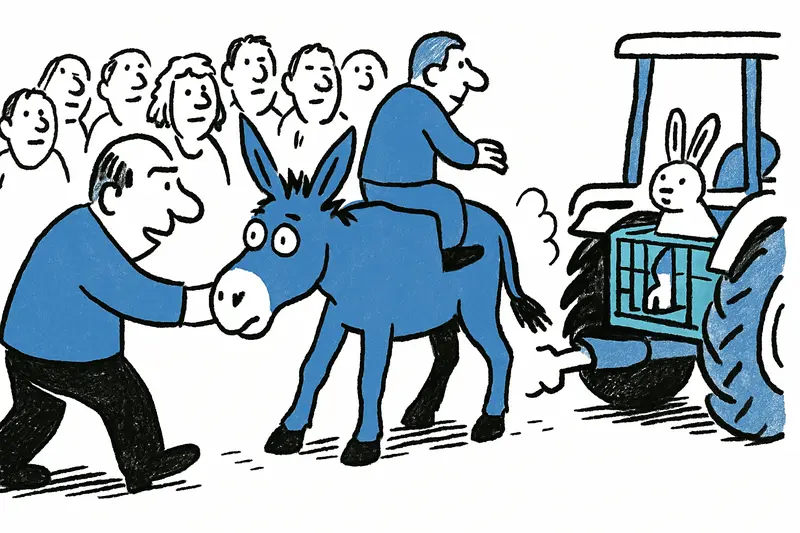
The scene on a cool morning in Artà was at once familiar and unsettling: people pressed together on the Carrer Major, voices mixed with the roar of tractor engines, somewhere a goat's bell clinked. In the middle of this atmosphere a donkey accompanied the procession – visibly tense, searching with its eyes. Witnesses report that some visitors shoved the animal, pulled at it or even sat on its back. Such observations prompted the animal welfare association Satya Animal to formally ask the town hall to revise the participation of animals in the celebration.
The allegations summarized in the letter to the municipality are concrete: pigs in very small cages, goats on noisy wagons, rabbits placed in cages behind exhaust pipes and exposed to fumes for several hours. Added to this is constant noise – loud music, blaring tractors, a tight crowd – an environment that causes stress for many species. Videos from the event show parts of these scenes and have sparked debate, similar public debates have followed incidents elsewhere, for example Horse Falls in Palma: Do Carriages in the Old Town Need Rethinking?.
What follows? First: The tradition itself is not questioned per se. Second: If practices physically or mentally burden animals, the organizers must improve. The association does not call for a radical ban of the romería, but for concrete rules that protect the dignity and health of animals.
Critical analysis: Where practice fails
First there is the danger of normalization. If observable stress behaviors in animals are trivialized as folklore, the situation remains unchanged. Second, there is often a lack of clear division of responsibilities: Who checks that cage sizes are complied with? Who measures noise levels along the route? A third weak point is infrastructure: narrow alleys, no escape areas, routes next to busy roads or with long standstills for wagons – this is no environment for sensitive animals.
Another problem is enforceability of existing rules. Municipalities have regulations for animal transport and husbandry, but at festivals there is often a lack of consistent on-site control. If complaints are only checked days later, the acute harm has already occurred; this mirrors controversies such as After Two Collapsed Horses: Palma Faces a Decision — Rethinking Carriage Rides. Last but not least: the emotion of the moment – alcohol, good weather, a crush of people – can lead individuals to overstep boundaries, for example by climbing onto a donkey or provoking animals.
What is missing from the public debate
So far discussion often pits tradition against modernity. Less attention is paid to what an animal suffering prevention plan could look like in detail. A sober debate is missing about simple technical measures: specific dimensions for cages, regulated maximum standstills, defined noise limits, required distances from exhausts, mandatory rest zones. Also missing is how citizens can be concretely involved in decision-making processes – not just outrage on social networks, but formal, easily accessible participation channels.
Everyday scene to remember
Imagine: on the Plaça des Pou older residents sit, drinking hot coffee from thermoses, children play at the edge. An overcrowded wagon stops for forty minutes, goats stand restlessly, the driver laughs and chats with neighbors. A man tries to push a rabbit into a small metal cage at the back while the tractor starts up. Such micro-scenes repeat in many places and decide whether a tradition can remain livable for people and animals.
Concrete solutions
- Set clear participation conditions: minimum sizes for cages, maximum standstills, daily rest breaks for animals. - Separate procession and blessing: the blessing can take place in a cordoned, quiet area of limited duration. - Noise and exhaust rules: plan routes so that sensitive animals are not placed directly behind exhaust pipes; limit loud sound systems in areas with animals. - Alternative representations: replace animals with well-made life-size models or short video segments; official certificates for wagon operators proving animal welfare. - Control and sanctions: prior permits only after submission of an animal welfare plan; on-site veterinary inspections; fines for violations. - Education and volunteer work: information campaigns in villages, short trainings for festival helpers, a hotline for observations during the romería. - Citizen participation: simplified application procedures, public hearings, pilot projects on sections of the route.
Conclusion
The central question remains manageable: preserve tradition without sacrificing animals. Artà now faces an opportunity: regulation instead of reflex, prevention instead of outrage. If the municipality issues binding rules that organizations implement and the population is involved, the romería can continue – this time with fewer bells, less honking and more respect for the living beings we intend to honor, and with public protests over animal welfare already seen in other contexts such as Outcry in Inca: Protest Against Bullfighting Sparks Debate.
Frequently asked questions
Why are animal welfare concerns being raised about the Sant Antoni celebration in Artà?
Is it normal to include animals in Sant Antoni celebrations in Mallorca?
What kind of conditions can be stressful for animals in a festival procession?
What should a Mallorca town hall do if animals are used in a local festival?
What is the role of Satya Animal in the Artà debate?
Can Mallorca keep traditional romerías without harming animals?
What should visitors do if they see an animal being mistreated at a festival in Mallorca?
Why is Artà’s Sant Antoni celebration becoming a wider debate in Mallorca?
Similar News
Reality check: Palma's "white" torrent — harmless salt or neglected warning sign?
White crusts on the Torrent de Sa Riera are causing a stir. Emaya describes them as salt deposits. Our reality check: wh...
When Ryanair's fleet grows: What Mallorca's travelers should know
Ryanair will soon receive 737 Max 10 jets. The larger aircraft offer potential savings — but also new risks for flight o...
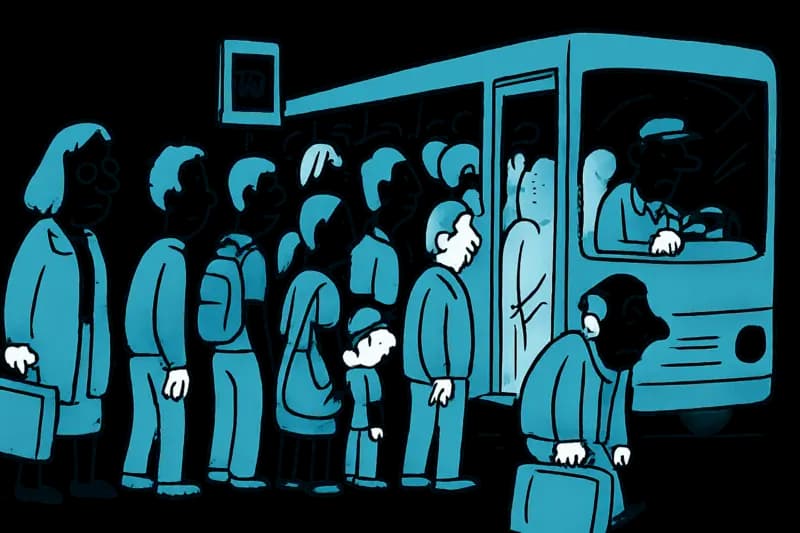
Rising fuel and housing costs: Why Mallorca's overland buses are suddenly overcrowded
More and more people are leaving Palma — and boarding TIB buses: Between January and August 2026, the network recorded o...
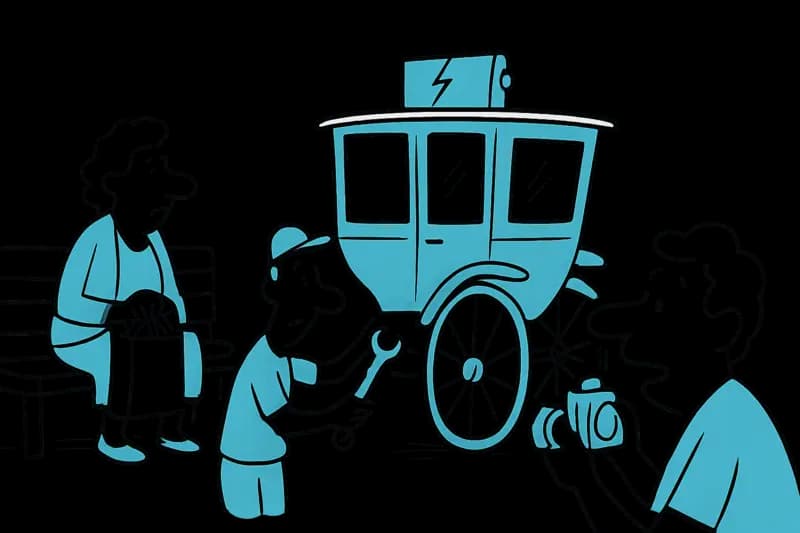
Carriages Without Horses: Palma Plans E-Carriages – a Reality Check
Palma plans to switch to electric carriages in 2027. The prototype was shown near the cathedral. What is the technology ...

Record season, empty coffers: Who really benefits from the tourism boom?
Full hotels and more flights: the numbers sound impressive — yet many locals feel no benefit. A reality check with an ev...
More to explore
Discover more interesting content

Can Cap de Bou

Townhouse Lleo 72
