
Drink-spiking and the blind spot: What the Manacor case means for Mallorca
Drink-spiking and the blind spot: What the Manacor case means for Mallorca
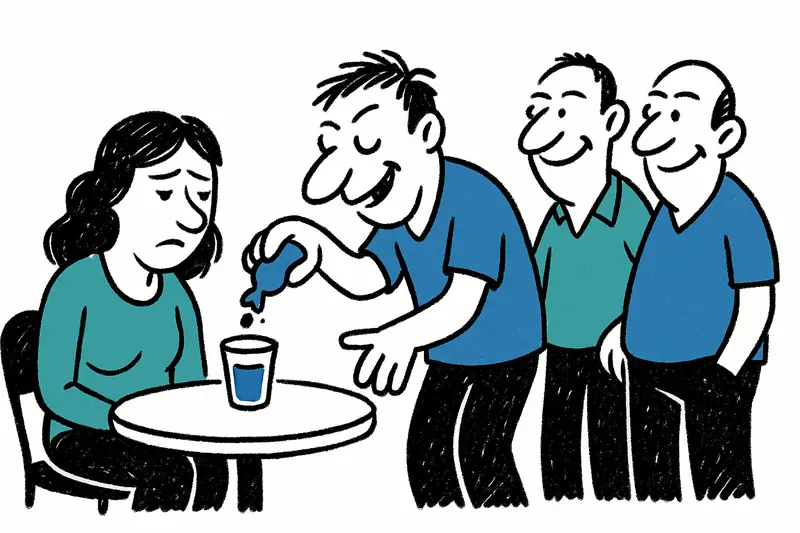
In Manacor, two men are alleged to have slipped drink-spiking substances into the drink of a solo female tourist and then sexually assaulted her. A reality check: How does this happen — and what needs to change?
Drink-spiking and the blind spot: What the Manacor case means for Mallorca
Key question: How can we better protect women traveling alone from drink-spiking and subsequent assaults — without turning everyday life in bars and on terraces into a climate of fear?
The incident in Manacor at the beginning of May has shaken many people on the island. A woman, on holiday and traveling alone, is said to have been sitting in a bar when two men joined her. After her drink was apparently tampered with, she reported symptoms she did not attribute to normal alcohol consumption. Later, according to her account, the night ended on a piece of undeveloped land: fragmented memories, a car, and the terrible suspicion of sexual assault. The National Police are investigating; the woman filed a report with the UFAM unit.
The facts are stark: a tourist situation, an open drink, two men insisting she finish it — and the consequences everyone fears. Those who often walk late at night through places like the Plaça del Bestiar in Manacor or the darker side streets of Son Macià know the small scenes: yellow lights, the clinking of glasses, motorcycles in the background, voices gradually fading away. It is precisely there that gaps appear which perpetrators exploit.
Critical analysis
What comes together here is no coincidence, but a pattern. Perpetrators seek out isolated victims, use alcohol and chemical substances to gain control. The locations — terraces, poorly lit alleys, cars — provide them cover. There is a second factor: the reluctance of alleged offenders to acknowledge or show responsibility. In many cases small things are missing: quick responses from the venue, questions from witnesses, surveillance cameras covering outdoor areas. This pattern ties into broader debates about alcohol, responsibility and investigations, as explored in Alcúdia: Who Was Really at the Wheel? A Reality Check on Alcohol, Responsibility and Investigations.
Legally, Mallorca is not helpless: the police are conducting investigations and reports are being filed, as seen in coverage of the Palmanova verdict: Two years in prison — and what Mallorca must learn now. But investigations often only begin after the act has been committed. For the victim, the time until then remains traumatic and confusing. Forensic traces disappear quickly; drink-spiking substances are often detectable only shortly after exposure. This complicates evidence gathering and discourages victims from reporting.
What is missing in public discourse
There is a lot of talk about “safety” — but rarely about concrete, practical measures for hospitality operators and tourists. Public debate and politics do not speak enough about:
- Rapid testing options for victims (including mobile and multilingual services).
- Mandatory training for bar and restaurant staff to recognize signs of drink-spiking and respond appropriately.
- Improved nighttime lighting and clearly marked safe routes from town centers to hotels and taxi ranks.
There is also a lack of clear communication within tourist networks: many travelers do not know how quickly traces disappear or whom to contact locally — and in which language.
An everyday scene in Mallorca
Imagine: It is shortly after midnight, the terrace of a small plaza bar is still half full. A traveler sets down his glass, gets up and goes to the toilet. The waitress is busy with orders, a taxi horn sounds once, a dog barks in the house opposite. No one pays attention to the glass. Two men lean on the railing and speak quietly. Later, only the sparse memory of pale lights and an escape route through an unlit side street remains. These small, seemingly insignificant moments are what create risks.
Concrete solution approaches
We do not need a utopia, but practical steps that can begin tomorrow:
1) Training for hospitality staff: Short courses on signs of drink-spiking, de-escalation and safe accompaniment measures. Basic knowledge in several languages.
2) Test kits at central points: Free or low-cost rapid tests in pharmacies, health centers, tourist information offices and larger hotels; mobile kits for night patrols of the police.
3) Safe taxi and pickup zones: Well-lit gathering points near popular nightlife areas with clear signage and frequent police presence at peak times.
4) Simplify reporting channels: Multilingual emergency numbers, clear instructions for victims on how to secure traces and report immediately — including rapid medical first aid.
5) Public awareness: Campaigns that do more than warn, and make clear to men: intervening, asking questions, and not participating are part of civic behavior.
Conclusion — pointed
The case in Manacor is not an isolated crime pattern but a warning signal: our nights and terraces are not automatically safe. We must not spread panic on the island, but we can build practical layers of protection — with training, test kits, better routes and clear reporting structures. And: we need more people who look and help instead of looking away. For visitors and residents alike it must be true: no one should have to explain themselves when they need help — and everyone should know where to find it.
Frequently asked questions
How common is drink-spiking in Mallorca nightlife?
What should I do if I think my drink was spiked in Mallorca?
How can women travelling alone stay safer at night in Mallorca?
Which places in Mallorca feel less safe at night?
Is Manacor safe at night for tourists?
What should bars and restaurants in Mallorca do to prevent drink-spiking?
Can drink-spiking substances still be detected later in Mallorca?
Where can tourists in Mallorca get help after a suspected assault or drink-spiking?
Similar News
When the Wallet Becomes a Danger: Attack in Peguera and Lessons for Mallorca
In Peguera, two women are said to have stolen the wallet from a 75-year-old German couple. When the victim intervened, t...
Plata stays Plata: Young people take over, Llonguets remain
A small bar on Carrer de l'Argenteria will continue: Tolo Serra hands the place over to young Mallorcans at the end of t...

Unnoticed in the Luggage Compartment: How a Boy Traveled More Than 100 Kilometers in a Team Bus
A minor traveled in the undercarriage of a team bus for more than 100 kilometers until his cries for help were heard. A ...

Cap Vermell Grand: Second Michelin Key – a Gift for the East
The Cap Vermell Grand in Capdepera has been awarded its second Michelin key. For the region this elevates the luxury off...
Eurowings lets four aircraft carry names – a friendly idea that also reaches Mallorca
Eurowings is launching a campaign: four Airbus A320s are to carry the first names of people who help others in everyday ...
More to explore
Discover more interesting content

Can Cap de Bou

Townhouse Lleo 72
