
Nighttime rollover on the Ma-19 at Can Pastilla: Would a seatbelt have saved his life?
In the early morning hours a Nissan overturned on the Ma-19 at Can Pastilla. The driver was thrown from the vehicle and seriously injured. Why buckling up is so often underestimated — and what now needs to be done.
Nighttime rollover on the Ma-19: driver seriously injured
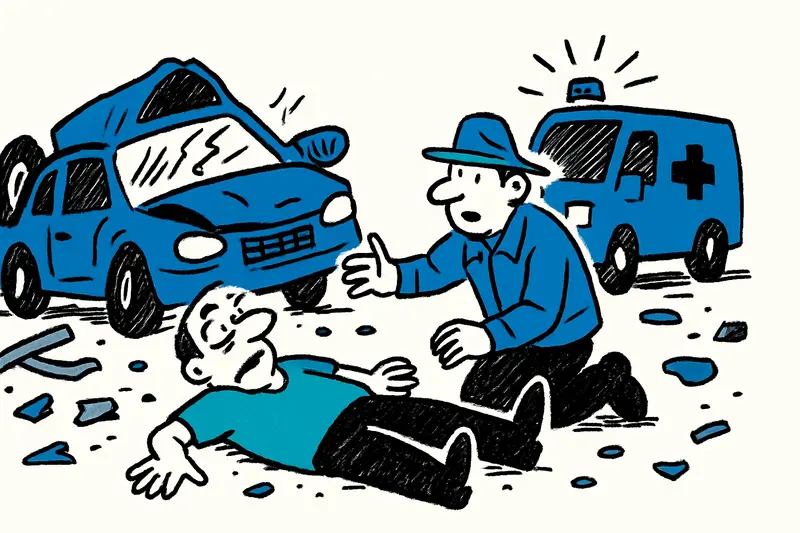
Around 4 a.m. a loud crash woke the still drowsy coastline of Can Pastilla. A Nissan Micra hit the guardrail on the Ma-19 at kilometre 6, rolled several times and finally came to rest on its wheels, an incident also covered in Night crash on the Ma-19 near Can Pastilla: Alcohol, no seatbelt — who pays the price?. According to witnesses, the 40-year-old driver was thrown from the car and lay seriously injured on the carriageway.
The scene at the accident was eerie: sparks in the dark, debris scattered across both lanes, and only a few vehicles slowly passing the cordon. That nothing worse happened that night was partly luck — and partly bitter: the man was not wearing a seatbelt.
Rescue and evidence recovery
Multiple emergency calls summoned SAMU teams, the Guardia Civil and local police within minutes. Paramedics found the driver unconscious, stabilised him and transported him in critical condition to Son Espases hospital, where doctors continue to fight for his life. On site the man admitted to consuming alcohol and drugs; breath and drug tests should now verify this, as reported in Conductor ebrio gravemente herido en la Ma-19 cerca de Can Pastilla.
The Guardia Civil is securing evidence, measuring brake marks, inspecting the guardrail and interviewing witnesses. Such investigations take time — especially when, in addition to human error, questions arise about road design or traffic safety measures.
Why buckling up is so often underestimated
That a seatbelt saves lives is not theory but physics and experience, as stressed by the Dirección General de Tráfico (DGT). Without being belted in, the risk of being thrown from a vehicle rises dramatically — with consequences that are often worse than the immediate crash injuries. On Mallorca, where night travel, late returns and holiday traffic are common, this accident shows how quickly habit can win over safety.
The debate about seatbelts is often moralised: blame, fines, prosecution. Less attention is paid to how infrastructure, education and routine checks work together. Why don't we strengthen the reminder of the simple action that so often saves lives?
What needs more focus on the Ma-19
The Ma-19 is an important link between Palma and the south — at night people are travelling who want to get home after shifts, bar and night work, or long flights. Several points are now at the top of the analysis: lighting in critical sections, the condition of guardrails, approach and escape zones, and the presence of checkpoints at night. This scrutiny has grown after incidents such as Fatal accident on the Ma-19 near Llucmajor: Why motorcyclists are repeatedly affected.
The interaction of tourism and local mobility also plays a role: rental car drivers travelling late at night are often unfamiliar with the roads. And of course the question remains whether increased mobile controls or temporary breath tests at hot spots would achieve more than one-off penalties.
Concrete measures — what could help now
An accident like this reveals several approaches: in the short term, more night-time controls and visible police presence could reduce risk. Rumble strips, better road signage and increased maintenance of guardrails are technical measures that can save lives.
Education and low-threshold services should go hand in hand: hotels and bars could actively remind guests about seatbelts and safety, rental car companies could provide mandatory information, and partnerships with taxi organisations to offer cheap late-night rides could be expanded. Free or inexpensive breath tests at tourist centers would also be a concrete idea.
In the long term the island needs a comprehensive picture: Which sections are particularly dangerous at night? Where is lighting missing, where are guardrails outdated? A local safety map, regular checks and prevention campaigns could significantly reduce the number of such incidents.
Lessons for the community
A difficult time now begins for the injured man's family. For neighbours and guests in hotel car parks, the image of sirens and the men's voices from the radio remain in their minds. A tourist who helped with a blanket, a neighbour who was awakened by the headlights — small human gestures in a major crisis.
The central question remains: Are we satisfied with explanations, or will we use the incident to become structurally safer? A seatbelt is not a nuisance but a life-saving reflex, and there are many levers — from technology to culture — that we can pull.
The Ma-19 has now been reopened. The Guardia Civil asks witnesses who observed anything during the night to come forward. The investigation is ongoing.
Frequently asked questions
Why is wearing a seatbelt so important when driving at night in Mallorca?
What should you do if you see a serious car crash on the Ma-19 in Mallorca?
How do alcohol and drugs affect driving safety in Mallorca?
Are Mallorca roads more dangerous at night?
What is the Ma-19 in Mallorca and why is it important?
What should drivers check before taking the Ma-19 near Can Pastilla?
Can police in Mallorca test drivers for alcohol and drugs after a crash?
What safety measures could help reduce crashes on Mallorca’s main roads?
Similar News
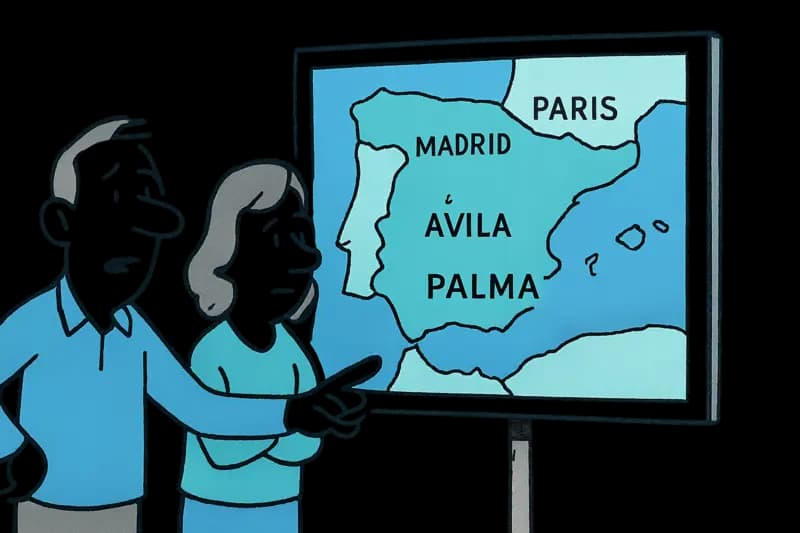
Advertising poster relocates Palma to the mainland - what the mistake says about us
An advertising poster for flights from Andorra shows Palma on the Spanish mainland. Why such an error occurs, what is mi...
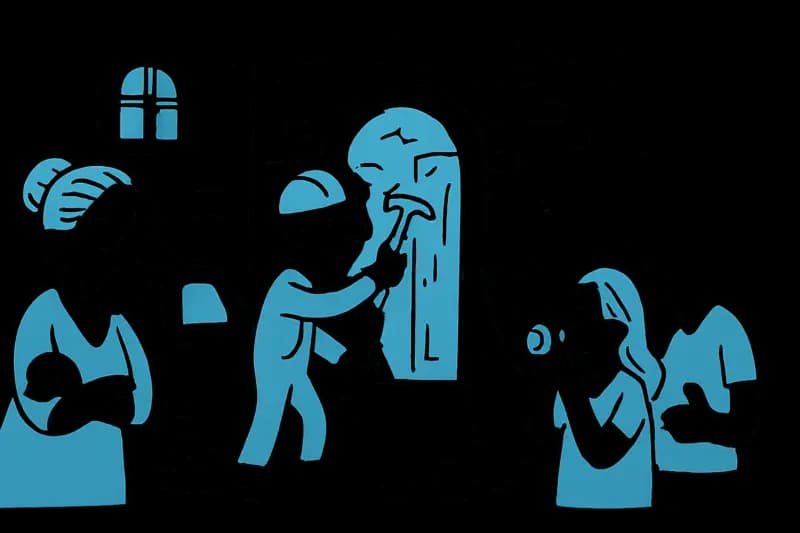
Who Protects Valldemossa's Charterhouse? A Construction Site That Leaves More Questions Than It Opens
Two new entrances in the Claustre de les Murteres have pitted the administration against the opposition. Who authorized ...
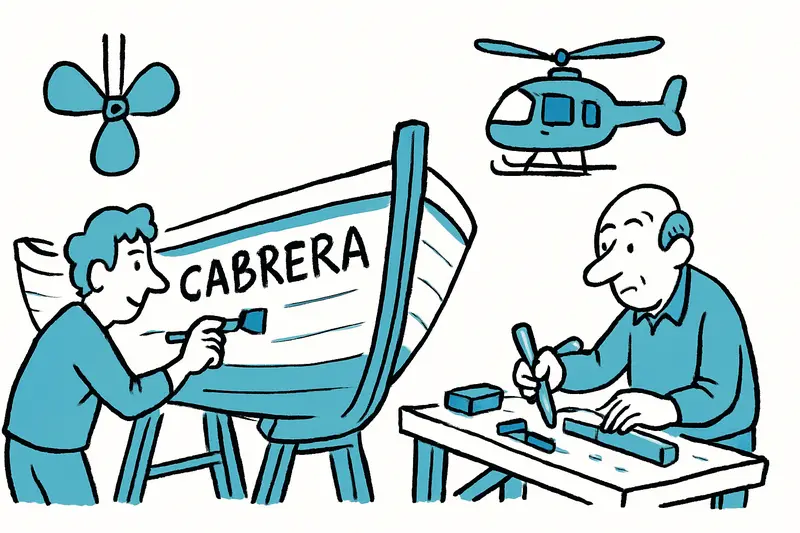
Between Runway and Keel: How Boatbuilding Lives in Son Bonet, Mallorca
In the small Son Bonet airport, craftsmen preserve the island's boatbuilding tradition: restoration work, woodworking gu...
Debris by the Pool, Fear in the Streets: What to Do About the Squatted Hotel in s'Arenal?
For weeks people have been living in a vacant hotel on Rua Girona in s'Arenal. Trash, noise and insecurity plague reside...
Disguised Thieves on Palma's Shopping Street: Who Protects Shops and Shoppers?
For about eight months traders around Sant-Miquel have reported daily thefts, disguises and threats. Why do existing mea...
More to explore
Discover more interesting content

Can Cap de Bou

Townhouse Lleo 72
