
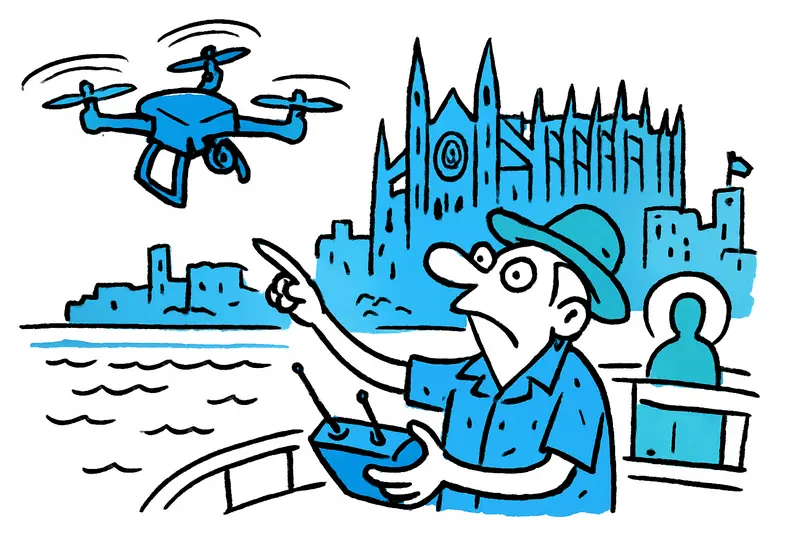
Dangerous Drone Flight over La Seu: Why a Tourist Now Faces Up to €225,000 in Fines
A tourist piloted a drone from a catamaran over Palma's old town — despite a security zone and VIP guests. Which gaps remained and how such incidents can be prevented.
Dangerous Drone Flight over La Seu: Why a Tourist Now Faces up to €225,000 in Fines
Key question: How could a recreational pilot take off in a sealed security area — and what is missing to ensure this doesn't happen again?
In the early evening, when the sun still lay low over the Passeig del Born and the voices of strollers in the old town echoed off the façades, the whirring sound of a drone suddenly crossed over Palma Cathedral. Authorities reacted promptly: the machine was classified as unauthorized, the signal was traced back and the national police found the alleged pilot on a catamaran off the coast. The man apparently had neither a license nor flight permission — and is said to have left the drone unattended for a short time while he went to the onboard kitchen to fetch a drink. The result: confiscation of the device and an administrative fine procedure that, according to authorities, can result in a penalty of €1,000 up to €225,000. A similar flight over the Almudaina was documented in Invisible Boundaries: Why a Drone over the Almudaina Is Dangerous.
The scene sounds unlikely, but is symptomatic of a growing clash between recreational users and security interests in Palma. La Seu is not just any park: officials were expected there that day, so a denser security net was in place, including monitoring of the airspace. Nevertheless, a hobby pilot managed to fly his device along a route that crossed the arrival paths of the delegation. In the middle of the historic center, under narrow sightlines and near crowds, this is a problem with several layers. Cases like Drone over Palma's Old Town: Report after No-Fly Zone Violation illustrate similar challenges.
Critical analysis: Three core questions can be derived from the incident. First: Why are control gaps possible even though there are no-fly zones and electronic geofencing solutions? Second: Why wasn't the behavior detected in advance through observation of boat movements and by port authorities? Third: Why are many recreational pilots insufficiently informed or regulated, allowing them to fly into sensitive zones?
In Palma, one often encounters people at the harbor on weekends who unpack drones to take coastal photos. You can hear the propellers clicking at Moll Vell, and see tourists standing on the Moll de la Lonja filming with their phones. Many operators mean well but are not always experienced: remotely controlled aircraft are frequently used beside beach towels rather than next to instruction manuals. That is the everyday reality that leads to incidents like this.
Public debate so far lacks a sober discussion of responsibility along the whole chain: manufacturers, rental companies, boat operators, ports, tourist offices and the users themselves. Threatening high fines alone is not enough. Fines are necessary, but they only take effect afterwards. Prevention must start before takeoff.
Concrete solutions: First: clear information duties in ports and at maritime berths — signs, leaflets and brief notices when boats are handed over, stating that drone flights are not allowed in certain times and zones. Second: cooperation with boat rental companies: handovers should include a checklist that points out aviation restrictions. Third: make greater use of technical barriers — mandatory geofencing for consumer drones that automatically blocks sensitive zones; and portals for temporary flight restrictions that are easy to access. Fourth: equip ports and the coast guard with a simple reporting function for suspicious aircraft so emergency services can respond more quickly. Fifth: information campaigns in multiple languages at tourist information centers, car rental agencies and boat hire companies; practical mini-workshops on safe use at rental stations.
Police measures should also be used more precisely: electronic locating worked — that's good. But preventive checks in port areas and closer coordination around VIP appointments would better cover high-risk times. It is also important to make sanctions proportionate and transparent: high maximum penalties are deterrent, but they are of little use if the majority of users have no idea about the rules. Past disruptions such as the airport incident covered in Drone in the Sky over Palma: Why 35 Minutes of Chaos Aren't the Whole Story underline the potential consequences.
Everyday scene: On a Saturday afternoon on the Passeig del Born I often observe families eating ice cream while some teenagers fly small camera drones. It is a harmless, almost banal pastime — until a machine climbs too high or a battery fails. Then the harmless diversion can quickly become an event with dangerous consequences. This incident at the cathedral is a warning example of how quickly everyday behavior can turn into a security problem.
Conclusion: The case shows that Mallorca not only has rules, but also a gap in practical implementation. Strict sanctions may be justified; more important, however, is a system that prevents incidents. Education, technical blocks, clear information channels at ports and better coordination between authorities and the tourism industry are not a luxury — they are necessary. Anyone who wants to launch a drone at sea must know where they are allowed to stand — and where they are not. Otherwise a holiday photo can quickly become an expensive problem.
Frequently asked questions
Can you fly a drone over Palma Cathedral in Mallorca?
What fines can you get for flying a drone illegally in Mallorca?
Do you need a license to fly a drone in Mallorca?
What are the rules for flying a drone in Palma's old town?
Is it legal to fly a drone from a boat off Mallorca?
How can tourists check drone no-fly zones in Mallorca?
Why are drones a problem around La Seu in Palma?
What should boat rental companies in Mallorca tell customers about drones?
Similar News
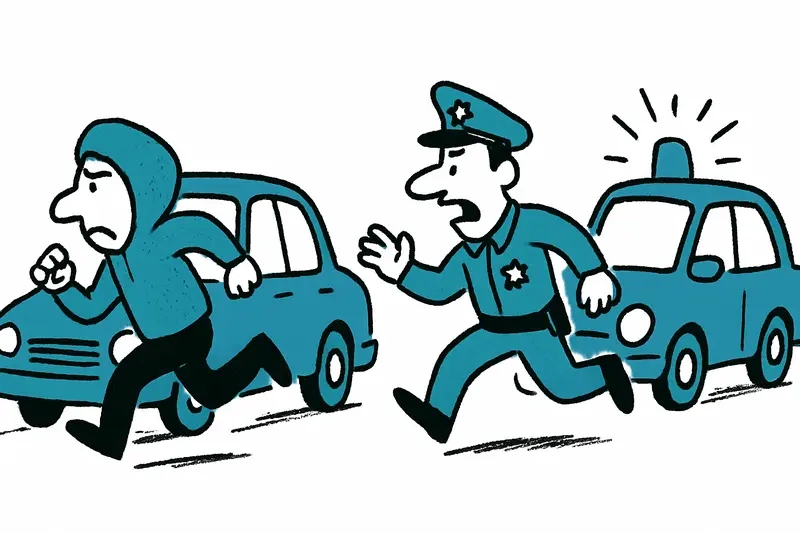
Rental Car Theft in El Arenal: What This Incident Reveals About Our Gaps
A teenager steals a running rental car in El Arenal, flees on foot, climbs over walls and is caught by the Guardia Civil...
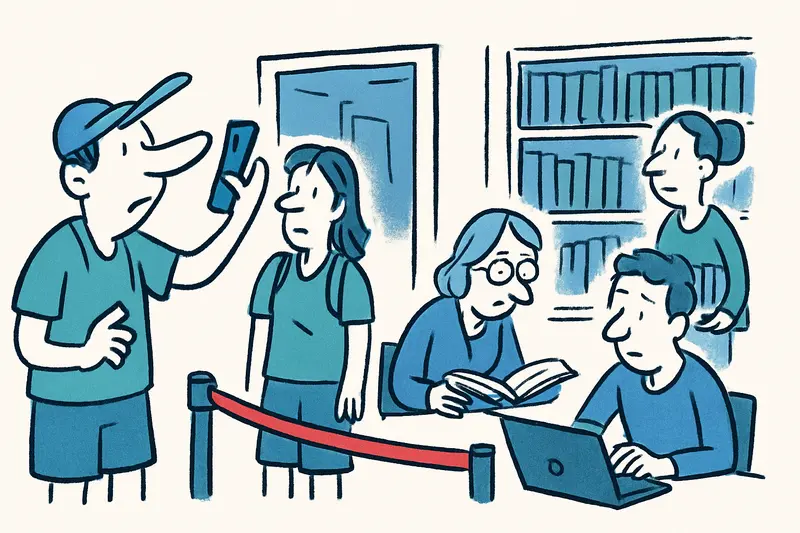
Red Rope in Palma's Library: What Helps Against Selfie Tourism — and What's Missing
Palma's city library cordoned off an area with a red rope to keep selfie tourism away from reading and working activitie...

Fort San Carlos: Museum, Harbor Dispute — and a Conflict That Demands Answers
The military museum at Fort San Carlos sits right on Palma's harbor, with unexpectedly quiet rooms filled with cannons a...
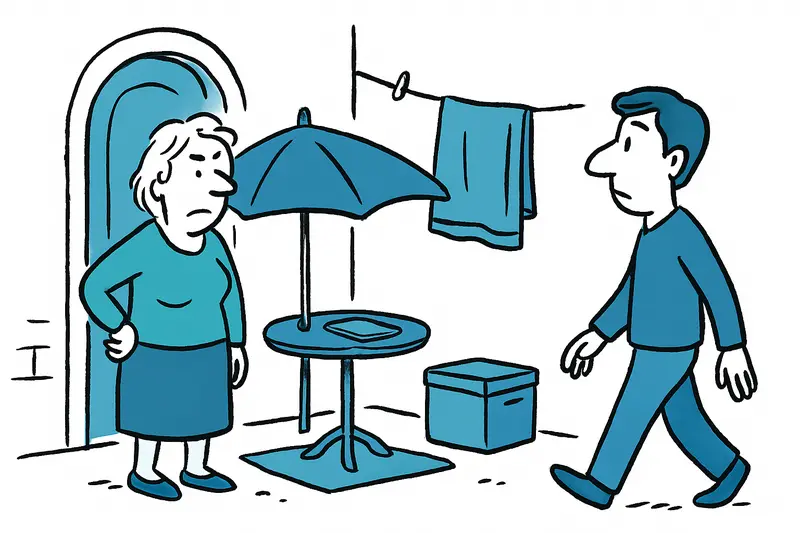
Old Town Under Pressure: When a Doorway Becomes a Sleeping and Shower Place
For months a woman has been living with a parasol, a clothes rack and personal belongings next to the social welfare off...

When Shopping Weighs Heavier: Mallorca Demands a Tax Pause on Food and Fuel
Rising prices are putting pressure on households and agriculture. The Balearic Islands are calling for temporary tax rel...
More to explore
Discover more interesting content

Can Cap de Bou

Townhouse Lleo 72
