
Near-Tragedy in Magaluf: A Child Submerged — A Reality Check
Near-Tragedy in Magaluf: A Child Submerged — A Reality Check
At a swimming accident at the Hotel Barbados in Magaluf, a two-year-old girl was in life-threatening condition. What went wrong — and which safety gaps are often left unmentioned?
Near-Tragedy in Magaluf: A Child Submerged — A Reality Check
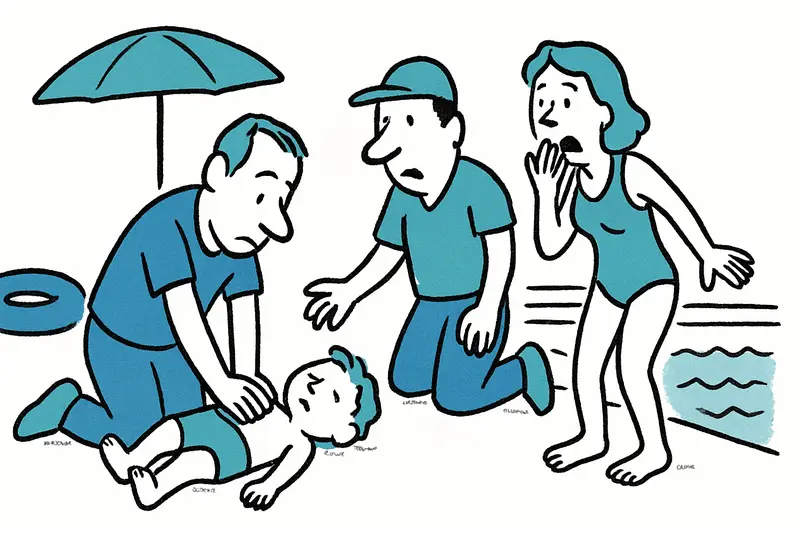
On an early summer evening, around 6:10 p.m., a two-year-old girl was pulled from the hotel pool at the Hotel Barbados in Magaluf, echoing a family rescue of a two-year-old in Llucmajor. Hotel staff immediately began resuscitation efforts. Emergency responders from the Balearic emergency service Samu 061 took over the operation and transported the child to the Son Espases University Hospital in Palma. The Civil Guard of Calvià is investigating the cause of the accident.
Key question
Why do life-threatening pool accidents still occur despite staff and rapid rescue operations — and what is really missing to keep children safe at pools?
Critical analysis
The incident shows two sides: first, the good response from employees and emergency teams, who apparently were able to save a life. Second, the structural problems that allow such accidents to happen in the first place. Hotel pools are crowded in high season, loungers are close together, and parents become distracted. Many hotels do not have permanent lifeguard staff at pools, and private supervision by parents remains the norm. Language barriers and staff turnover during the holiday season add to the problem: temporary workers do not know procedures as well as regular staff.
Architecture plays a role: deep areas without clear separation, slippery edges, insufficient barriers for small children. Technical aids such as alarm sensors or pressure mats are still rarely used in hotel pools. And finally, legal requirements are patchy or unevenly enforced — inspections do not always take place on schedule, contributing to occasional fatalities like an 80-year-old's death near Colònia de Sant Jordi. Incidents in other hotel areas underline the wider risks, for example a Magaluf spa incident.
What's missing from the public debate
- The discussion too often focuses on blame: parents versus hotel. Much less frequently are building standards, mandatory training for staff, or widespread inspections discussed.
- Low-threshold technical solutions that would also be affordable for smaller hotels receive little attention.
- There is no realistic picture of how the tourist season and staff fluctuation put pressure on safety standards.
An everyday scene from Magaluf
Imagine the pool terrace: parasols, children with inflatable rings, music from the bars outside, waiters rushing with trays. Between sunscreen and sangria, a child can quickly slip out of sight — a few seconds are enough. Such scenes are typical on that August evening: a jumble of voices, luggage carts heading to the entrance, service staff in yellow vests taking care of new guests, and not far from the party zone where an unconscious victim was found on Playa de Magaluf.
Concrete solutions
- Mandatory, regular first-aid and CPR training for all employees responsible for pools, demonstrable and certified.
- Promote simple technical protective measures: pool alarm systems, pressure sensors on steps, fencing with self-closing gates for children's areas.
- Mandatory multilingual safety information at check-in and in visible places around the pool; clear depth markings.
- Strengthen seasonal inspections by the competent authorities and define clear minimum standards for hotel pools, for example above a certain size or occupancy threshold.
- For small children: quiet times for the pool area, optional life jackets for non-swimmers, intensified awareness campaigns for parents before travel.
What could be implemented immediately
Some measures do not require law changes: hotels can offer internal CPR courses, purchase alarm sensors and inform guests about child safety at check-in. Municipal and island administrations could assist with checklists and spot checks. NGOs and associations could offer free parent workshops in tourist centers.
Conclusion: The rescue at the pool in Magaluf was excellent emergency action — and at the same time a warning signal. Quick response saves lives; Mallorca will only be consistently safe if hotels, authorities and guests share responsibility and take concrete, practical precautions. Otherwise, on the next hot August evening it will again be luck that decides.
Frequently asked questions
What are practical pool safety tips for families visiting Mallorca?
Why are hotel pool accidents still occurring during Mallorca's peak season?
What practical safety measures can Mallorca hotels implement to prevent pool drownings?
How can visitors help reduce Mallorca pool risks during a family trip?
What could hotels in Magaluf do to improve child safety around pools?
How does pool design in Magaluf affect child safety?
What role do authorities and inspections play in Mallorca hotel pool safety?
What immediate steps can Mallorca hotels take to improve pool safety without new laws?
Similar News
More water than last year: Mallorca's reservoirs breathe easier
September rain refilled the Tramuntana's reserves: overall fill around 35 percent, Cúber at 40.42 percent, Gorg Blau at ...
Three Luxury Hotels in Banyalbufar: Lots of Money, Many Questions
A Danish investor plans three exclusive accommodations in Banyalbufar — including the historic Son Valentí. The announce...
2.1 tonnes of cocaine on sailing yacht off Spain's coast – a reality check for the coastguard
A 14-metre yacht was seized with 2.1 tonnes of cocaine. Who monitors the ports, how does the international hunt succeed ...
Heat Bonus in Mallorca: 100 Euros Extra for Outdoor Staff at MarSenses
MarSenses pays employees who worked outdoors in August an extra €100 as recognition. Lighter uniforms, reduced hours for...
Renovating in Mallorca: What You Really Can Do Without Neighbour Consent
Many think they can do whatever they want in their apartment. That's partly true — but only as long as structural elemen...
More to explore
Discover more interesting content

Can Cap de Bou

Townhouse Lleo 72
