
Drug raid in Santanyí: What neighbors noticed — and what goes unasked
Drug raid in Santanyí: What neighbors noticed — and what goes unasked
In Santanyí the Guardia Civil dismantled an alleged drug sales point. A 58-year-old man is in pretrial detention. The arrest began with neighborhood complaints. Time for a reality check: Where does the police focus — and what is missing from the local debate?
Drug raid in Santanyí: What neighbors noticed — and what goes unasked
Key question: How can a small community like Santanyí effectively tackle street dealing without losing sight of the social safety net?
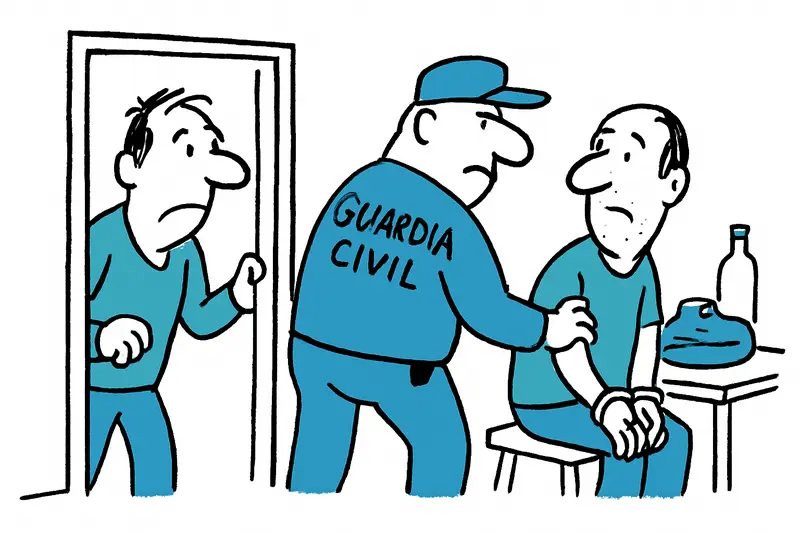
The Guardia Civil arrested a 58-year-old man in Santanyí after neighborhood tips in early March about constant comings and goings at his apartment. A quiet raid in Palma that also began with neighborhood tips. During a search, officers found cocaine, €34,000 in cash apparently hidden in a wall, and records that reportedly document sales. The man was brought before the examining magistrate in Manacor and was remanded in custody without bail. Investigations are ongoing.
At first glance the story is short and straightforward: residents notice unrest, the police intervene. But people in Santanyí know that arrests alone don't solve anything. At the Plaça Major, where market traders set up their tables in the morning and the cat from Can Tomeu slips between bottles of olive oil, neighbors speak quietly about 'those people' — the looks, the constant driving back and forth, the doubt about whether to call the police or look away. That everyday level is what prompted the investigation here.
Critical analysis: The arrest shows that conventional policing works — neighborhood observation, investigations, search, seizure. At the same time it remains unclear how deep the network goes. Is this a local street dealer for small customers or part of a larger supply chain operating across the island? The records found and the amount of cash suggest organized sales, but public reporting says nothing about possible links to logistics, middlemen, or tourists as buyers, as also noted after a major raid in Mallorca that raised questions about wider networks.
What's missing from public debate: prevention, victim protection, and the perspective of those affected locally. Often the discussion focuses only on arrests and court dates — little is said about whether and how addicts are treated or how homeowners and tenants are informed about potential risks. Equally rare is the question of how short-term holiday rentals and unattended apartments can be misused as nodes for illegal activity, and the misuse of properties has surfaced in other investigations, such as a raid in Palma that uncovered a gang posing as tradespeople.
A concrete everyday scene: It's Thursday morning, a light northerly wind, the market chatter blends with birdsong. An older woman, carrying her shopping bags down the steps from the town hall square, points to an inconspicuous apartment building on Calle des Mercat. 'It was quiet before,' she says, 'then men and women kept appearing at the door.' None of them looked like a dealer, but her feeling was enough to set things in motion.
Practical solutions: First, strengthen anonymous reporting channels. If neighbors can give tips without fear — via a local phone line, an app or office hours at the Guardia Civil — the chance of uncovering structures increases. Second, preventive neighborhood work. Municipalities could hold information evenings where police, social services and property managers come together. Third, closer cooperation between municipalities along the coast and inland; drug flows do not respect administrative borders. Fourth, more focus on consumer support. Fines and imprisonment are important, but there must also be addiction counseling offers so that cycles can be broken. Fifth, checks in the rental market — not as a blanket suspicion, but with clear rules for short-term rentals and easily accessible controls for property owners.
Another issue is transparency in follow-up investigations. When cases are ongoing, the public prosecutor cannot disclose everything for tactical reasons. Still, it would build local trust if municipalities were regularly informed about the nature and direction of measures — without endangering investigations.
Conclusion: The arrest in Santanyí is a success of neighborhood vigilance and investigative work. It also shows that arrests are only one piece of the puzzle. Anyone who wants to make the island safer must act on several fronts: better reporting channels, preventive social work, cooperation across municipal borders and concrete support offers for dependent people. Otherwise all that remains is an empty house with a freshly bricked-up wall and the question of whether another operation will soon take its place behind it.
The Guardia Civil continues to investigate — the neighbors remain watchful, the weekly market goes on, and the church bell rings at noon.
Frequently asked questions
What is the weather usually like in Mallorca in spring?
Is it warm enough to swim in Mallorca during spring?
What should I pack for a trip to Mallorca in spring?
Is spring a good time to visit Mallorca?
What is Cala Llombards like in spring?
What can you do in Mallorca in spring if you do not want a beach holiday?
How busy is Mallorca in spring compared with summer?
Is spring a good time to visit Pollença in Mallorca?
Similar News

Fewer Airlines, Fewer Destinations: What Palma's Winter Flight Schedule Means for Mallorca
Analysis shows: Winter at Son Sant Joan Airport will be quieter, with significantly fewer airlines and destinations. Who...
German tourist dies in Sa Calobra – a reality check for emergencies on Mallorca's beaches
A 40-year-old tourist died at the Torrent de Pareis. The emergency call, a doctor who happened to be present, a defibril...

Deadly Tractor Accident in Bunyola: What Needs to Be Done Now
In a work accident on an estate near Bunyola, a roughly 40-year-old man lost his life. His wife and a small child were o...
Head-first dive into the shallow part of Cala Fonoll: An accident and the unresolved question of responsibility
A young tourist dove into Cala Fonoll and was seriously injured. Key question: Why are clear warning signs missing at da...

Mistaken identity with fatal consequences: Brutal assault in S'Aranjassa — what's missing in the follow-up?
At S'Aranjassa a visitor to a finca was tied up, beaten and thrown out of a van. Three men have been arrested, including...
More to explore
Discover more interesting content

Can Cap de Bou

Townhouse Lleo 72
