
Empty Seats, Full Worries – Why Mallorca Excursions and Taxi Rides Suffer This Summer
Empty Seats, Full Worries – Why Mallorca Excursions and Taxi Rides Suffer This Summer
Buses stand idle, taxi drivers notice guests' caution: What are the consequences of the new frugality for the island's economy and workers — and what should be done now?
Empty Seats, Full Worries – Why Mallorca Excursions and Taxi Rides Suffer This Summer
Key question: How far does travellers' willingness to save go — and who pays the price in Mallorca?
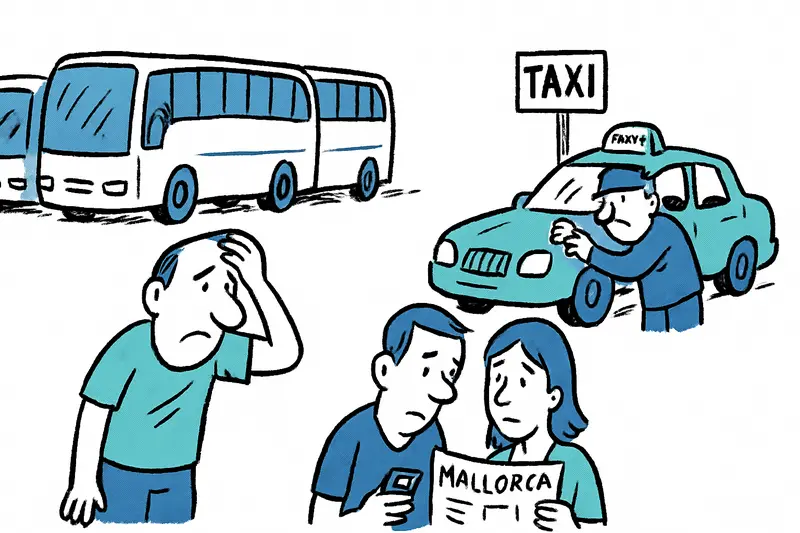
In the bus parking lot near the old industrial hall at Son Castelló a row of blue-and-white coaches sits in the midday sun, engines off, air conditioning silent. More than a hundred vehicles with around 55 seats each remained unused on some days this summer. In one corner taxis wait at the Estació Intermodal; drivers wipe dust from the seats while guests at the taxi stand compare prices and prefer to walk a short distance. These scenes repeat along the main flows: Palma, Playa de Palma, the access roads to Cap Formentor.
The stark conclusion is clear: group trips and organized coach tours are in decline. At the same time, holidaymakers are spending less spontaneously — fewer excursions, fewer taxis, fewer restaurant visits. Two immediate causes stand out: higher travel costs for flights and accommodation squeeze available holiday budgets; stays are also shorter and the demand for more individual, smaller offerings is growing.
What is missing here is not only an economic data sheet, but a view of how the impacts are distributed: small bus companies and many self-employed taxi drivers feel every empty seat and every tour not driven immediately. For them, unused vehicles and empty shifts are existential problems, not just a dip in revenue.
Viewed critically, the situation also reveals structural weaknesses. The model "large groups = predictable occupancy" is vulnerable when travel decisions become more short-term and price-conscious. Providers that rely exclusively on large groups are left with rigid costs — lease payments, driver wages, parking fees — and have little room for short-term adjustments. Those who placed their bets on volume now lack flexibility.
Public debate often focuses on arrivals and total room numbers. What is rarely heard is the working reality behind the rows of seats. Seasonal workers, mini-job employees and self-employed transport workers have small buffers. If demand for excursions shrinks, wage cuts, fewer hours and pressure on social protection are looming. The knock-on effect on gastronomy and souvenir businesses is real, too: fewer coach groups mean fewer guests in rural inns in the Tramuntana, at small market stalls and in family-run businesses along the routes.
An everyday scene says more than numbers: on an August evening in Portocolom a German family sits at the harbor, the child flipping through an excursion provider's brochure. The parents calculate on their smartphone, tap, compare. At the next table a taxi driver quietly discusses the upcoming vehicle lease bill with his wife. I hear such conversations often — in cafés on Avinguda Jaume III, at the bus stop in front of the Cathedral of Mallorca, in parking lots at Platja de Muro.
What should be done now: first, promote short-term cost flexibility. Municipalities could temporarily reduce parking and access fees for tourist buses or loosen payment deadlines so companies do not immediately run into liquidity problems. Second, support for drivers and the self-employed: time-limited grants or microloans can help bridge gaps without creating long-term dependency. Third, providers must diversify their offerings: smaller, themed tours (nature, photography, local gastronomy) are in demand; marketing should focus more on experiences for two- to four-person households, not only on coach groups. Fourth, better booking data sharing between hotels, intermediaries and transport companies is needed so capacities can be planned dynamically.
In the long term, Mallorca also needs a strategic debate: how much infrastructure should the island maintain for large-scale group tourism if demand behavior is changing? What roles do climate (heat reduces excursion appetite), altered travel habits and rising costs play together? The answers must be developed regionally: greater flexibility of the local economy, social protection for workers and new offers that fit shorter stays.
Conclusion: The visible empty seats are more than a summer footnote. They signal a shift — from mass to tailored services, from planning certainty to volatility. Anyone who dismisses the problem as a short-term downturn overlooks the people behind the wheels and cash registers. The island's economy now needs pragmatic relief, smart product adjustments and above all support for solutions that protect not only the numbers but also the livelihoods of employees.
Frequently asked questions
What is the best time to visit Mallorca for warm weather and beach days?
Is it safe to swim in Mallorca’s sea for a first-time visitor?
What should I pack for a Mallorca trip?
What is the easiest way to get around Mallorca?
What beaches in Mallorca are good for families?
How should I prepare for Mallorca’s sun and heat?
Do I need to know Catalan or Spanish to travel around Mallorca?
What outdoor activities are popular in Mallorca?
Similar News
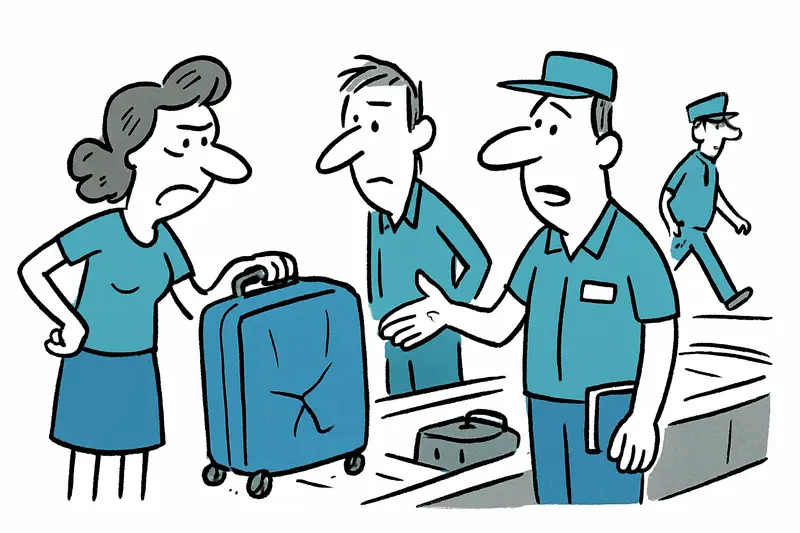
Complaint surge at Balearic airports: Who bears responsibility for broken suitcases?
In Palma and on the neighboring islands, travelers report significantly more luggage damage and losses this year. Figure...
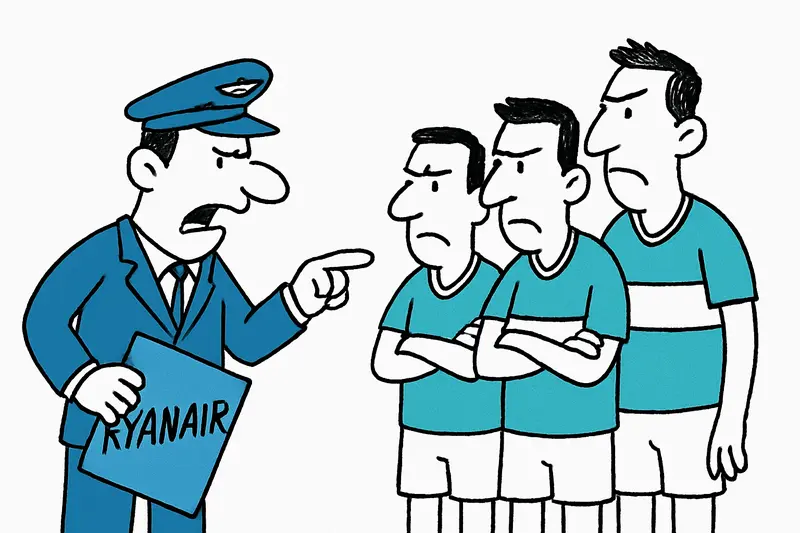
Mallorca-bound carrier Ryanair provokes Argentine national team: Provocation or PR mistake?
A low-cost carrier's social media post is causing international outrage. The key question: Is a company allowed to poke ...

Royal shopping on the Born: Loewe returns — and Palma rejoices
Sofía, Elena and Victoria Federica were seen on the Passeig del Born as Loewe opened its new boutique. A sunny visit tha...
White Circles on the Roadway: Can They Reduce Motorcycle Accidents in Mallorca?
The Spanish road authority is testing white circles near center lines to keep bikers out of the oncoming lane. A look at...
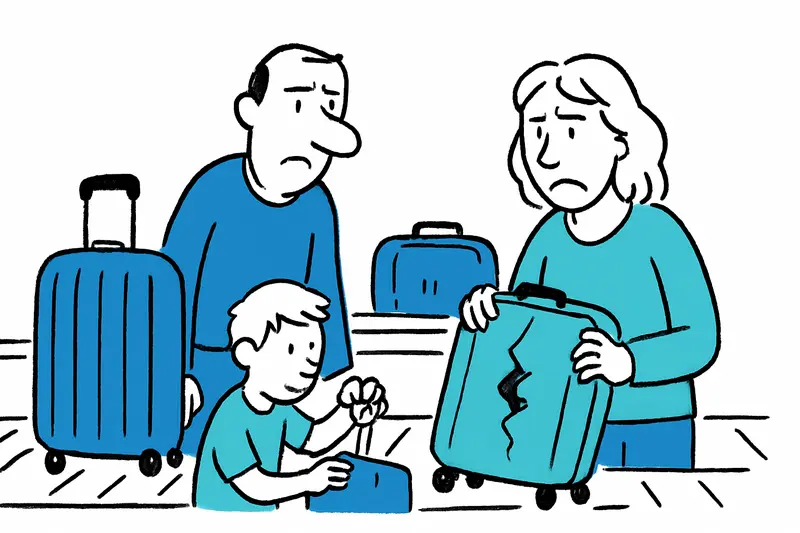
Luggage chaos at Balearic airports: Why complaints are rising so sharply in 2026
This year an unusually high number of travelers at the Balearic airports report damaged, delayed or missing baggage. The...
More to explore
Discover more interesting content

Boat Tour with BBQ along Es Trenc Beach
Private transfer from Mallorca Airport (PMI) to Pollensa
