
A Morning That Left Plug-in Ideas: Energy BYD Challenge in Estellencs
A Morning That Left Plug-in Ideas: Energy BYD Challenge in Estellencs
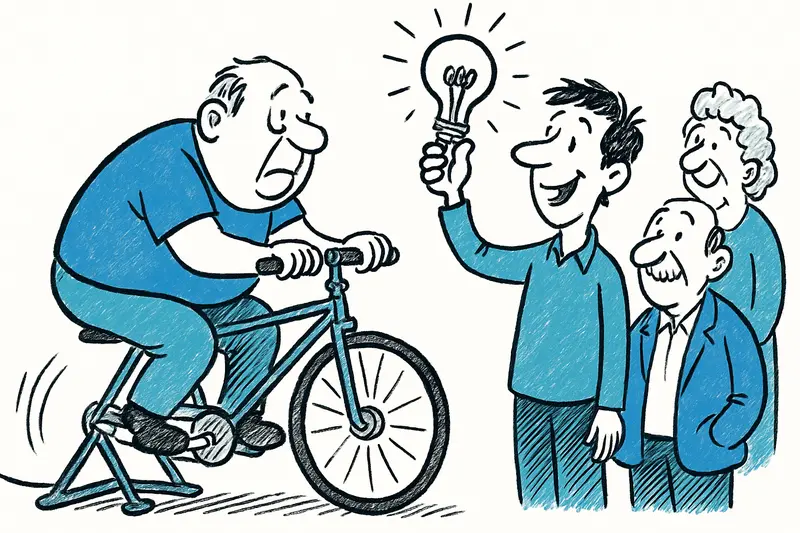
Children pedaled to produce electricity, neighbors learned about forest management and the municipality demonstrated water management: the Energy BYD Challenge brought hands-on engagement to Estellencs on 29 May.
A Morning That Left Plug-in Ideas: Energy BYD Challenge in Estellencs
School, associations and the town hall enjoyed energy and environmental activities together
On 29 May the schoolyard in the heart of Estellencs filled with laughter, pedal strokes and the scent of fresh fruit: the Energy BYD Challenge stopped in the small village in the Tramuntana and turned an ordinary morning into a learning festival. Pupils from the local primary school, representatives of the Associació de Gent Gran, members of the Associació Menuts and local traders mixed with the mayor and representatives of the Island Council – a colourful cross-section of the community that tackled sustainability in a very practical way.
Anyone walking through the narrow streets heard not only conversations but also the rhythmic whir of the energy-generating stationary bikes. Young and old were invited to pedal and get a sense of how energy is produced when you generate it yourself. Information panels and small demonstrations of other forms of electricity generation were also on display – explained simply so even the youngest could follow.
The programme included several hands-on stations: a creative workshop where children collected ideas for the poster of the next edition; an area with interactive videos about sustainable mobility; and a recycling workshop that combined correct waste separation with a relay race. Those who needed energy in between reached for local fruit and water – the organisers deliberately chose healthy, preferably regional snacks.
Particularly well attended was the audiovisual presentation by the Consortium of the Serra de Tramuntana. It clearly explained how traditional forest management has shaped the landscape and what role such maintenance work plays today in fire prevention and in preserving the UNESCO World Heritage. The short presentation made it clear: the Serra is not just a backdrop, it is the result of centuries of work on difficult terrain – and this story should be passed on to the younger generation.
Tangible local politics were also on the agenda. As part of a workshop, the town hall presented a new control system for the water network; according to the municipality, leaks have been able to be significantly reduced since its introduction – an example of how technical measures bring direct benefits to a small community. The school also presented a compact weather station that will allow children to track precipitation, temperature and wind themselves in the future – an invitation to bring weather observation into everyday school life.
The atmosphere was friendly and pragmatic. The island representative for the Serra emphasised that such events help make environmental topics tangible: when young people learn the background to landscape maintenance and fire protection, they better understand why certain measures are important. The mayor highlighted that education is the key to anchoring local sustainability and raising awareness of everyday issues such as water consumption.
The Energy BYD Challenge in Estellencs came about through a network of the municipality, the Balearic Ministry of Economy and Energy, the Consortium Serra de Tramuntana and a number of local and private partners, including BYD Quadis Dream, Qwello, TBC, the Saica Foundation, Viveros Can Juanito, GRAM and Scoobic. This mix of administration, business and civil society actors ensured that theory and practice were closely linked.
What stood out that morning was not only the number of participants but the kind of engagement: not a dry lecture, but many small situations in which touching, doing and thinking came together. From the schoolyard to the village street, ideas were sown – some small, others so concrete that they can be planted into everyday life.
For Estellencs this is good news: introducing young people to sustainability strengthens not only awareness but also the chance that this community will tackle its particular challenges — from water management to fire protection — independently and knowledgeably. And if at the end of such a morning a child proudly says they produced electricity by cycling, that is a small, real step forward. Perhaps the next steps are already visible: a school climate club, new signs about forest management or simply more people thinking more critically about their tap at home. Energy thus stops being an abstract word and becomes a story that continues to be written here on site.
Frequently asked questions
What is the weather usually like in Mallorca in late spring?
Can you still swim in Mallorca in spring?
What should I pack for a spring trip to Mallorca?
Is Mallorca a good destination for walking and sightseeing in spring?
What is the weather usually like in Palma de Mallorca in spring?
Is spring a quiet time to visit Mallorca beaches?
What is spring like in Alcúdia, Mallorca?
Does spring weather in Mallorca change a lot from day to day?
Similar News

Mueller continues expanding in Mallorca: Artà in 2026, Can Picafort in early summer 2027
The drugstore chain Mueller is opening two new stores in Mallorca: a 1,400 m² shop in Artà on 5 November 2026 and a bran...
The Painter Who Lived Mallorca: Franz Taussig and His Century-Old Secret
A hundred years ago a young Viennese arrived in El Terreno, sketched the island and called himself Francis Caron. Today ...

Airport dispute: Bridge, forecasts and the question of responsibility
A video by the Spanish transport minister has ignited the dispute over DORA figures, capacities and local governance pow...

The Painter Who Invented Himself: How a Young Viennese Drew Mallorca
A hundred years ago a 19-year-old draftsman arrived in El Terreno. His diary and sheets, long known under the pseudonym ...
Released with Conditions: The Plus Ultra Suspicion and a Mallorcan Finca as Residence
A Dutch entrepreneur, sought in connection with the Plus Ultra case, was extradited to Spain after his arrest in Germany...
More to explore
Discover more interesting content

Can Cap de Bou

Townhouse Lleo 72
