
Estellencs Rations Water: 130 Liters per Person – Who Pays for the Thirst?
Estellencs limits drinking water to 130 liters per person per day. Mayor Bernat Isern calls the measure necessary. What do the rules mean for locals, visitors and the future of the water supply?
Estellencs rations water: 130 liters per person – who pays for the thirst?
The bell of the small church rings, the cicadas chirp – and the fountain at the town hall has since been trickling sparingly. Since yesterday Estellencs has a new water quota: 130 liters per person per day. A measure that affects residents, holiday-home guests and passers-by alike. Similar measures were introduced elsewhere, as shown by Seven municipalities tighten water rules in Mallorca, and the central question is: who should save first, and are the rules really fair and sustainable?
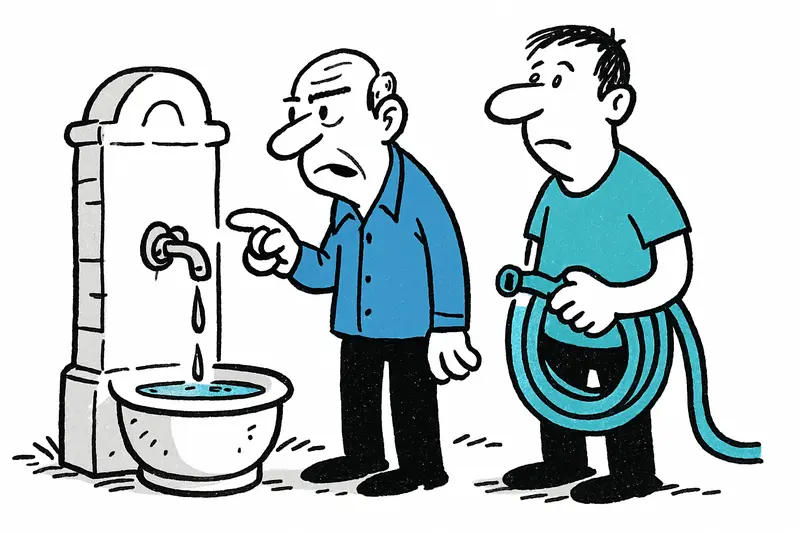
Mayor Bernat Isern justified the decision with emptier groundwater reservoirs and the weakening spring s'Ull de s'Aiguo. After a hot summer with only a few showers, the reserves have not recovered; nearby Sóller even warned its tap water might last around ten days. You notice it in everyday village life: gardeners unroll hoses only to roll them up again immediately. On the Carrer Major neighbors exchange concerned looks; at the weekend consumption peaks when day-trippers arrive in the small stone houses.
Analysis: What the numbers hide
130 liters initially sounds like an achievable target. But the number says little about distribution and infrastructure. In Estellencs there are people with high daily basic needs, for example older citizens. At the same time holiday homes and weekend guests cause consumption peaks that strain the system. Also noticeable is the official exception wording: large agricultural enterprises are said to be "not directly affected." That raises questions: why are certain water users exempt from direct restrictions even though they often need larger amounts? Other towns have followed different approaches, for example Deià shuts off drinking water three days a week, which shows how varied measures can be.
Another, too little noticed point is the metering and billing technology. Many houses still do not have modern water meters; consumption is estimated as a flat rate. Without precise data, neither fair distribution nor effective control is possible. And: temporary shutdowns in remote settlements are not completely excluded. That would be problematic for people with medical needs.
What is allowed – and what is not (practical)
The administration lists concrete prohibitions: no filling of pools with drinking water, no garden watering, no car washing with tap water, no decorative ornamental fountains. The keeping of small livestock may only be supplied with drinking water in a restricted way. At the same time it remains unclear how controls are to be carried out. So far notes are hung on lampposts and the municipal building; handwritten notices and visible warnings, similar to those in other towns where Sóller turned off the tap with showers off and pools forbidden, are used, but that is not enough to change behavior at weekends.
Less noticed consequences and risk areas
Besides the obvious loss of comfort, economic effects threaten: local landlords could lose guests, farmers feel indirect restrictions due to reduced availability. Ecological impacts are also possible – if people switch to chemical substitutes because irrigation is lacking or dig private wells illegally. The social dimension: young families, seniors and workers in tourism bear the burden.
Concrete opportunities and solutions
Estellencs can also gain advantages from the forced situation. Eight proposals that can be implemented immediately:
1. Measurement and transparency: In the short term install mobile water meters at problematic access points and make consumption per household visible. Accurate data creates acceptance.
2. Tourist information: Oblige landlords to inform guests about the rules at check-in; clearly visible saving tips in holiday homes.
3. Rain and greywater use: Promote small rain cisterns and greywater systems for showers/sinks, for example through low-interest subsidies, following European Commission guidance on water scarcity and droughts.
4. Pool regulation: Require permits for refilling and provide incentives for saltwater pools or covers that reduce evaporation.
5. Flexible pricing: Consider time-limited tariffs: a low basic quota, higher prices for overuse. That has a directly dampening effect.
6. Cooperation: Exchange with neighboring municipalities about water resources, joint transitional solutions and technical assistance.
7. Social exemptions: Protection rules for people in need of care, the sick and small livestock keepers to cushion hardships.
8. Long-term infrastructure: Examine storage improvements, more efficient pipes and, if necessary, smaller desalination plants as emergency options.
Practical tips on site
The municipality recommends: shower shorter (five minutes), collect rainwater, only run the dishwasher full and refrain from filling the pool. These are small gestures with great effect. Handwritten notes with consumption comparisons now hang on the plaza: this is how much a water-saving shower saves per week.
The mood in Estellencs is matter-of-fact and a little defiant. People talk about pragmatic solutions, not just bans. When the clouds come, the village breathes a sigh of relief. Until then the rule is: save, talk to each other and make sure the burdens are fairly distributed. Otherwise the drop that makes the barrel overflow threatens – and not everyone can afford to replace it.
Frequently asked questions
Why is Estellencs limiting water use in Mallorca?
What can residents and visitors still do under Mallorca water restrictions?
How much water per person is allowed in Estellencs?
Is it still safe to drink tap water in Estellencs, Mallorca?
What should I pack or prepare if I am staying in Mallorca during a water shortage?
Why are holiday homes and weekend visitors part of the water problem in Estellencs?
Are farmers and small livestock keepers affected by the Estellencs water restrictions?
What long-term solutions could help Mallorca cope with water shortages?
Similar News
'La Tapita' loses its home: Who will protect Palma's last affordable meeting places?
The bar 'La Tapita' on Simó-Ballester Street will close at the end of December. For neighbors, police officers and small...

Million Heist at Bulgari: Who Is Responsible for Palma's Security Gaps?
Three men stole jewelry worth around one million euros – the crime series began at the end of September and was likely c...

Who pays the bill? Tourists, prices and the reality in Mallorca
Rising costs are felt by travelers and locals alike. A walking observation through Palma's old town shows how tourists e...

Phone robbery at Playa de Palma: Two juveniles arrested — a reality check
On Monday morning three young women were attacked at Playa de Palma; two youths snatched a phone from one of them. The N...
It keeps growing: Illegal waste dump on the Ma-15 near Son Gual angers residents and motorists
On the Palma–Manacor expressway, near the former Los Últimos Mohicanos restaurant and the Son Gual development, an illeg...
More to explore
Discover more interesting content

Can Cap de Bou

Townhouse Lleo 72
