
Emergency in Bunyola: New Bluetongue Disease Puts Mallorca's Animal Health to the Test
A new form of bluetongue disease has been confirmed in a flock of sheep in Bunyola. The Balearic government has activated an emergency plan — but how ready is Mallorca for such animal epidemics? A look at measures, gaps and practical solutions.
Emergency in Bunyola: Why this outbreak is more than a farmer's headache
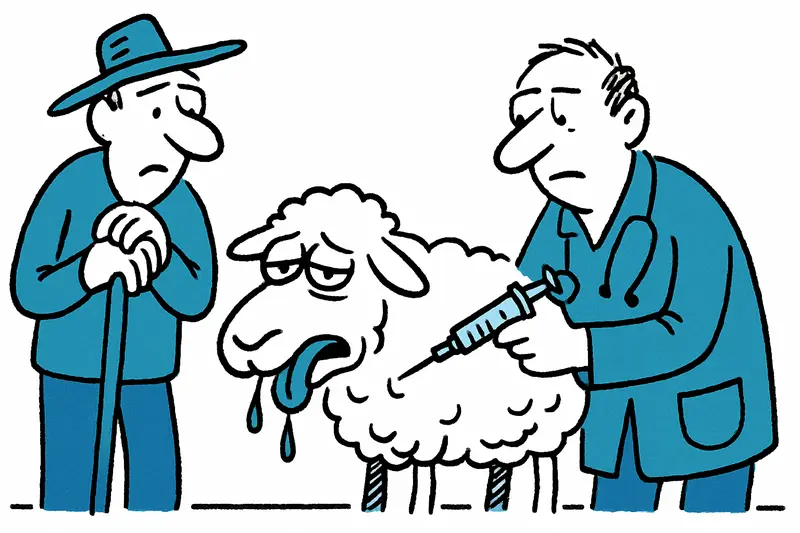
Early this week a shepherd north of Bunyola made his daily rounds among olive and holm oak trees. The soft tinkling of sheep bells mixed with the distant ringing of the village church on that cool autumn morning. He noticed several animals were listless, drooling and had swollen muzzles. Blood tests confirmed: a form of bluetongue virus (BTV) has arrived in a flock of about 150 sheep.
The key question: How well prepared are we?
The Balearic government responded quickly and declared a state of emergency; this was reported in Nueva enfermedad de la lengua azul en Bunyola: el gobierno activa un plan de emergencia. Restrictions now apply within a ten-kilometre radius, reaching into parts of Palma and Marratxí. But the central question remains: Is rapid willingness to vaccinate enough, or does the case reveal structural gaps in Mallorca's disease response? This is not an academic question — it concerns livelihoods, local food supplies and the trust between town and country.
What authorities are doing — and what often remains invisible
Vaccination is now at the top of the agenda. Mobile teams are vaccinating farm by farm, organised by appointment so no one has to wait for hours in the sun. Additional veterinarians and supplies are available. That sounds good — but on the ground other problems cause friction: the cold chain for vaccines, language barriers at smaller holdings, and the question whether the vaccine used actually protects against the serotype circulating here. Coverage figures and local measures are detailed in Enfermedad de la lengua azul en Mallorca: Cómo detener su expansión.
Little discussed is the entomology: bluetongue viruses are transmitted by Culicoides midges. With cooling autumn temperatures these insects are less active than in high summer, yet even short evening flights are enough to drive transmission. Another often overlooked point is Mallorca's agricultural structure: many small holders, scattered enclosures, narrow lanes — this makes contact tracing and area-wide protection measures more difficult than on large mainland farms. See World Organisation for Animal Health page on bluetongue for more on vectors and transmission.
Concrete risks for keepers and consumers
According to current knowledge, and the European Food Safety Authority page on bluetongue, there is no immediate danger to humans. For livestock, however, the disease can have severe consequences: fever, swelling, lameness; in some cases the infection is not without losses. For shepherds this means economic pressure — especially if animals cannot be transported and trade restrictions come into force.
Practical measures — what can help now
The government has initiated some sensible steps, but more is needed than vaccination drives. Practical suggestions that could have quick local effect:
- Organise stable, mobile cold chains for vaccines so doses are not lost.
- Recommend evening barning and fine-mesh nets; this reduces midge contact without much effort.
- Fast compensation schemes for affected keepers so no one conceals animals for financial reasons.
- Simple, multilingual information leaflets and a hotline for small farms and seasonal workers.
- Sentinel herds and regular insect trapping nets as an early warning system in the valleys and along the Tramuntana.
Coordination, communication, trust
At the market in Bunyola the topic was ubiquitous this week: over coffee, between cheese stalls and bocadillos, people shared worries and practical tips. Such informal networks are valuable — authorities should integrate them rather than ignore them. Good coordination between municipalities (Bunyola, Palma, Marratxí), the veterinary office and farmers is now crucial. And: transparent communication minimises rumours that spread quickly in small communities.
Looking ahead: opportunities instead of panic
The goal must not only be to contain this outbreak. It should be an opportunity to modernise the island's protection against animal epidemics: better surveillance, targeted research cooperation to localise serotypes and a financial safety net for smallholders. A robust system protects not only animals, but also rural areas, their culture and their markets.
The emergency in Bunyola is a wake-up call — not an apocalypse, but a clear sign: when the bells of the sheep herd ring again and the olive trees rustle in the Tramuntana wind, we want to be sure the island is prepared. That requires more than vaccinations: planning, funding, communication and a little humble attention to the things you don't see right away — like tiny midges at dusk.
We will keep you updated with information on vaccination appointments, restricted zones and practical assistance for animal keepers.
Frequently asked questions
Is bluetongue dangerous for people in Mallorca?
What symptoms should sheep owners in Mallorca look for with bluetongue?
How is bluetongue spread in Mallorca?
Do Mallorca sheep and goat owners need to vaccinate now?
Are there movement restrictions for livestock near Bunyola in Mallorca?
What should small farms in Mallorca do to reduce bluetongue risk?
Why is bluetongue harder to control in Mallorca than on larger farms?
What can Mallorca authorities do besides vaccinating against bluetongue?
Similar News
Nighttime Vandalism in Alcúdia: Who Pays for the Damage, Who Learns the Lessons?
Five youths broke into a golf course in Alcúdia, stole two buggies, devastated turf and caused an accident. A case with ...

Ready to go — but what does Palma's second ring road really mean for Coll d'en Rabassa?
Work on Palma's second bypass appears set to begin in 2026. Numbers, plans and everyday life in Coll d'en Rabassa raise ...
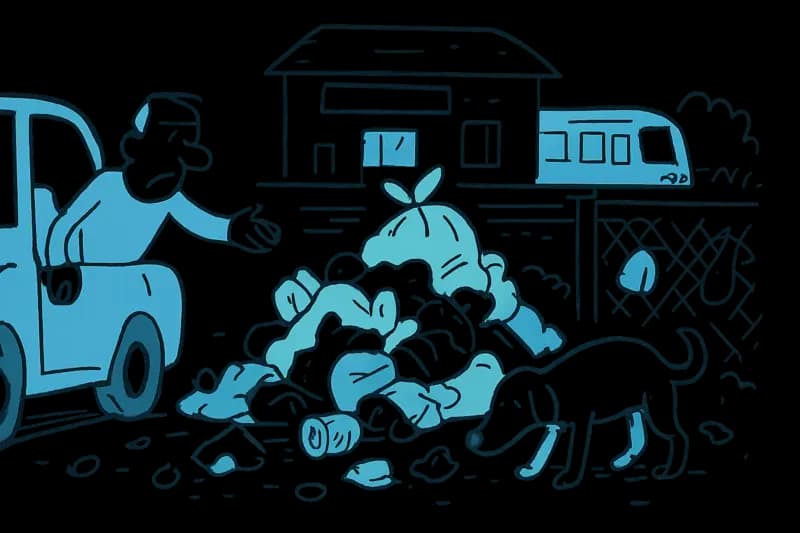
Overflowing garbage piles at Consell–Alaró station: Who is actually cleaning up here?
Sacks, bottles and packaging have been piling up around Consell–Alaró station for months. Missing cameras, full parking ...
Agromart opens large market in Inca: 500 m², terrace and café as a meeting place
On 17 September a new Agromart branch opens in Inca with around 500 m² of sales area, a butcher's, a fresh-food kitchen ...
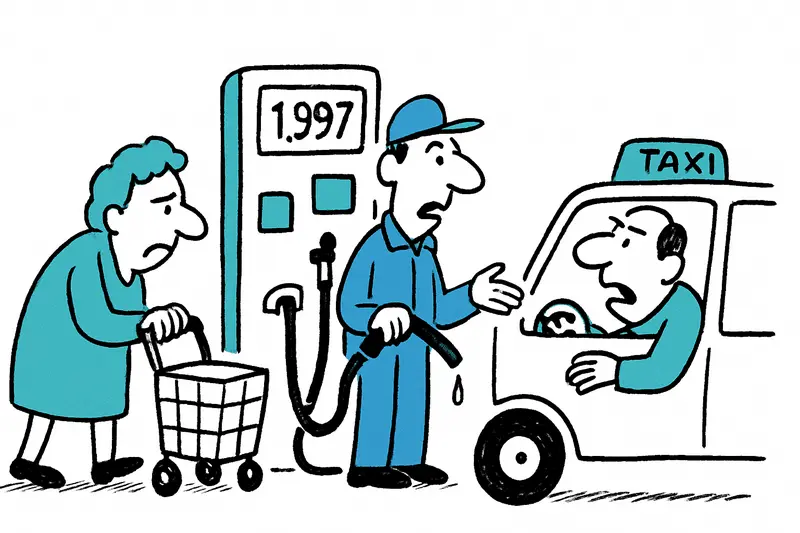
The End of the Cheap Ride? Why Mallorca Is Hit Harder by the Fuel-Price Shock
Gasoline and diesel average close to two euros per liter. What this means for commuters, supply chains and renters in Ma...
More to explore
Discover more interesting content

Can Cap de Bou

Townhouse Lleo 72
